


What is the Infrastructure-First Strategy in Budget 2026?
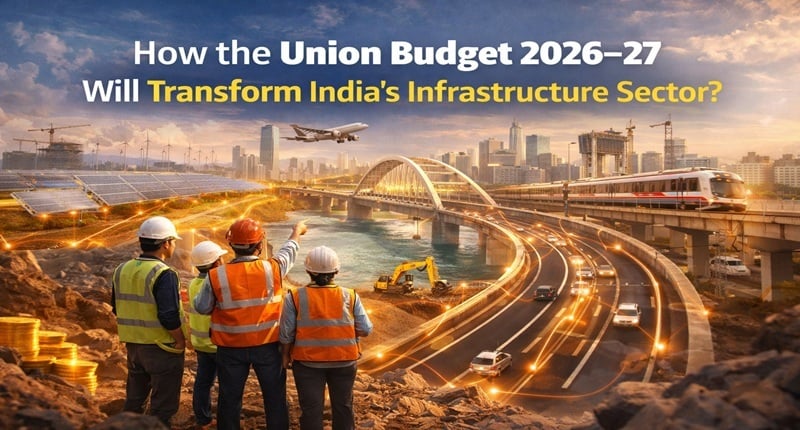
The infrastructure-first strategy in the 2026 budget focuses on sustained public investment to strengthen national assets and improve connectivity. With ₹12.2 lakh crore allocated, the capital expenditure in India's infrastructure reflects a long-term approach to economic development driven by construction and engineering.
This strategy is built around a few key priorities:
- Strengthening transport networks connecting industrial and economic zones
- Reducing logistics costs through efficient infrastructure planning
- Supporting urban expansion with planned development
- Encouraging private participation in large infrastructure projects
For example, improved connectivity between production centers and markets reduces transportation time and increases efficiency. This directly benefits industries that depend on reliable logistics systems.
In addition, coordinated infrastructure planning reduces duplication of effort and ensures that projects complement each other. When highways, railways, and logistics hubs are planned together, it improves overall system performance and reduces long-term maintenance costs.
This approach also supports better land use planning and ensures that infrastructure investments deliver maximum economic returns over time.
The infrastructure investment in India 2026 also promotes integrated planning, where roads, railways, and urban systems are developed in coordination. This approach ensures better resource use and long-term performance.
This strategy reflects a clear direction toward scalable infrastructure growth supported by consistent funding.
Also Read: How Union Budget 2026-2027 Impacts lives of Civil Engineers?
Sectors Where Infrastructure Expansion is Happening
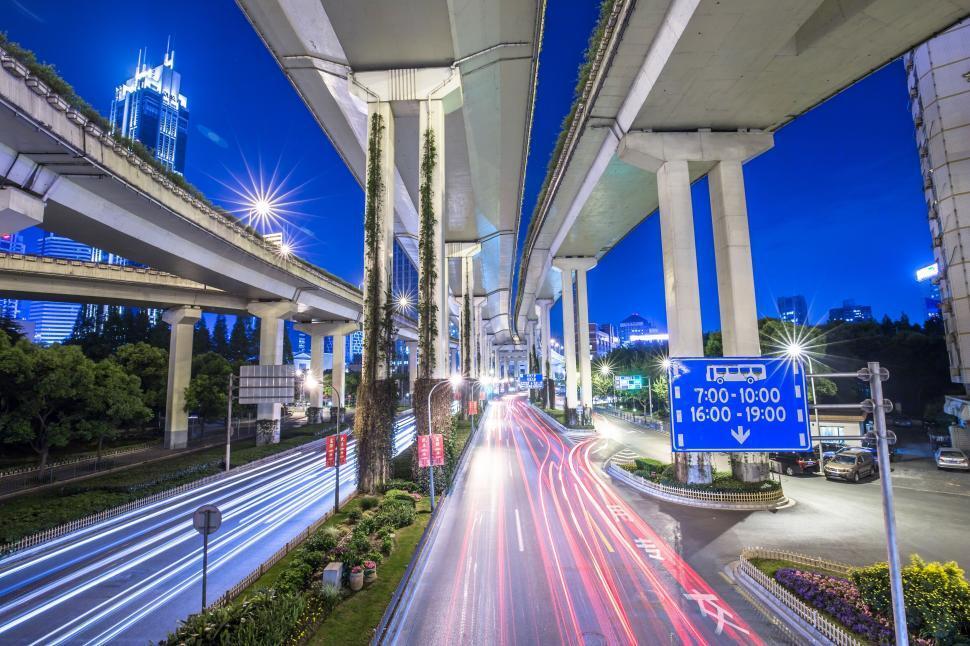
Infrastructure expansion is taking place across several key sectors, each contributing to improved connectivity and economic efficiency. The infrastructure investment in India 2026 is distributed across these areas to maximize impact and support balanced development.
The following sectors highlight where significant progress is being made:
1. High Speed Rail Corridors
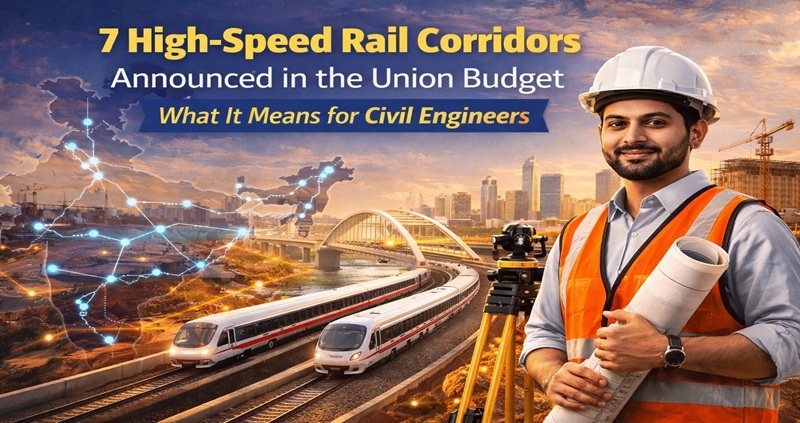
The development of the high speed rail corridor in India is transforming intercity travel by reducing travel time and improving connectivity. One of the most notable projects is the Mumbai Ahmedabad high speed rail corridor, which serves as a benchmark for future high-speed rail development.
Plans for routes such as the delhi kolkata high speed rail corridor further demonstrate long-term investment in fast and efficient transportation systems. These projects require precise engineering, advanced materials, and coordinated execution.
For example, high-speed rail systems demand accurate alignment and structural stability, requiring detailed planning and simulation. This increases the need for engineers skilled in modern design and coordination tools.
In many cases, these corridors also lead to the development of economic zones around stations, boosting real estate and commercial activity. This creates additional opportunities for infrastructure planning and urban design.
These developments also improve regional connectivity, enabling faster movement of people and supporting balanced economic growth across cities.
2. New Freight Corridors
The expansion of freight corridors in India is essential for improving logistics efficiency and reducing congestion on passenger rail routes. Dedicated freight corridors allow goods to move faster and more reliably across regions.
To better understand their impact, consider the following:
- Faster movement of goods across industrial zones
- Reduced congestion on existing railway lines
- Improved efficiency in supply chain operations
- Lower logistics costs for businesses
For instance, industries relying on timely delivery benefit from uninterrupted freight movement, improving production efficiency.
Freight corridors also enable better scheduling and predictability in goods movement, which is critical for sectors such as manufacturing and e-commerce that depend on time-sensitive deliveries.
They also support export-oriented industries by improving port connectivity and reducing turnaround times for cargo shipments.
The continued focus on freight corridors in India supports economic growth while strengthening the logistics network.
3. Urban Infrastructure Growth
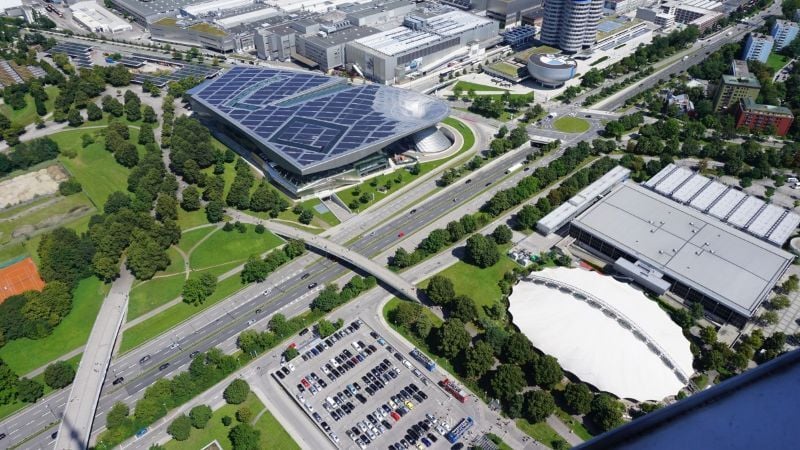
Urban infrastructure development continues to expand as cities grow and require improved services. Investments are focused on housing, transportation, and essential utilities.
Key areas include:
- Expansion of metro rail systems
- Smart city initiatives for better urban management
- Improved water supply and sanitation systems
- Development of sustainable housing projects
For instance, metro systems reduce road congestion and improve daily commuting efficiency in densely populated cities.
Urban projects are also increasingly designed with sustainability in mind, including energy-efficient buildings and improved waste management systems, which contribute to long-term urban resilience.
The capital expenditure in India's infrastructure ensures that urban areas are equipped to handle population growth while maintaining functionality and quality of life.
4. Inland Waterways Development
Inland waterways are gaining importance as a cost-effective and sustainable transport option. Investments are being made to improve river navigation, develop terminals, and integrate waterways with other transport systems.
Key developments include:
- Upgrading river ports and terminals
- Developing navigable channels for cargo movement
- Linking waterways with road and rail infrastructure
For example, transporting bulk goods through waterways reduces fuel consumption and operational costs compared to road transport.
This mode of transport is particularly useful for heavy and bulk commodities such as coal, cement, and agricultural produce, where cost efficiency is critical.
This sector highlights how the infrastructure investment in India 2026 supports sustainable transport solutions while improving overall efficiency.
How Digital Construction Will Shape Infrastructure?
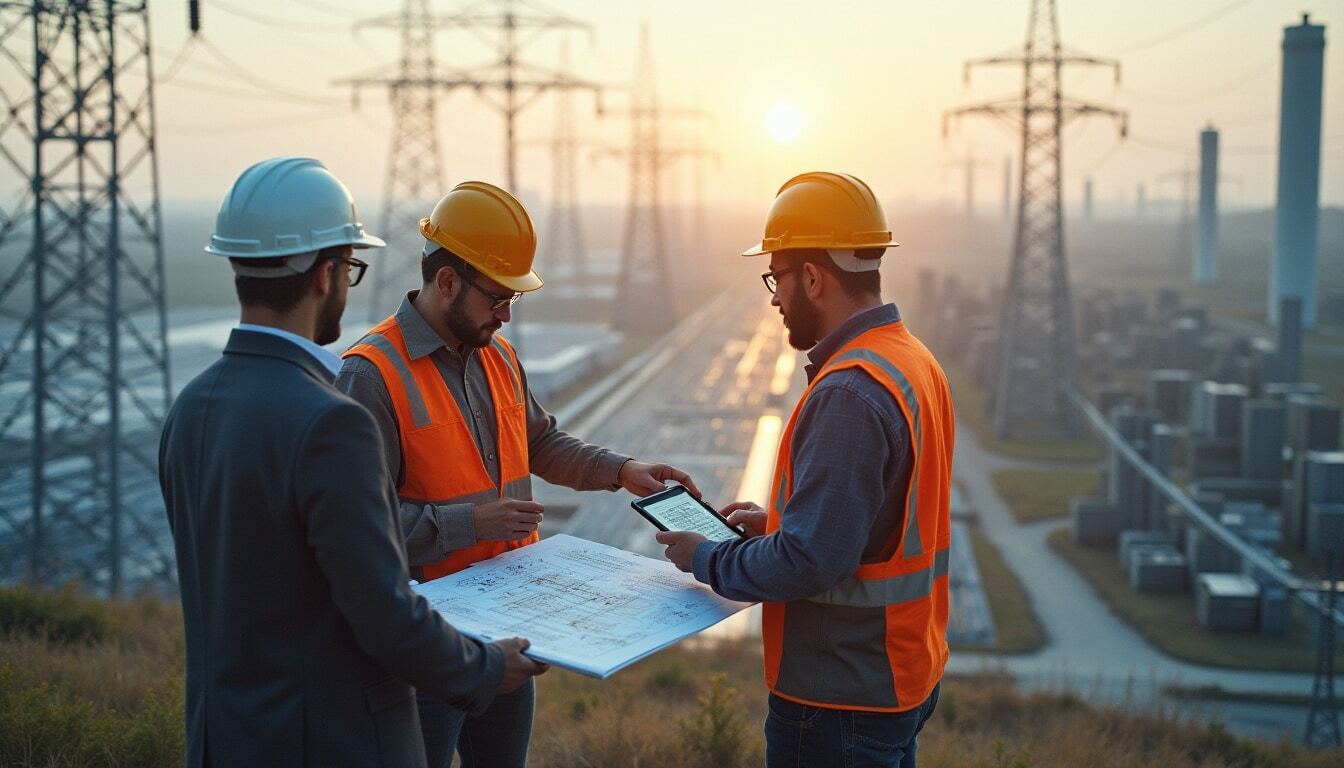
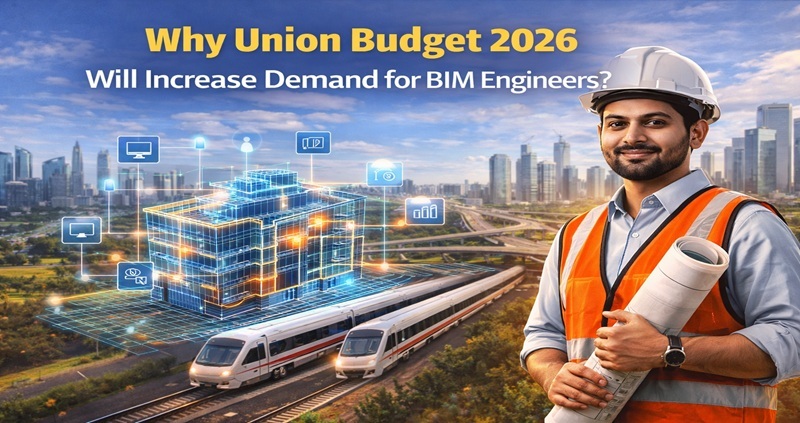
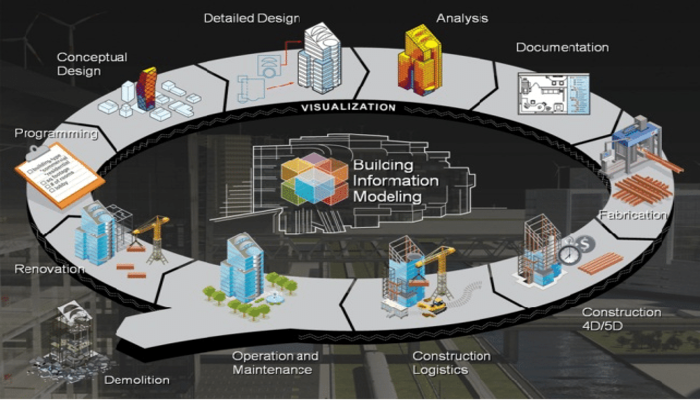
Digital construction is becoming a central part of infrastructure development, improving how projects are designed, executed, and managed. Technologies such as BIM, digital twins, and smart infrastructure systems are enabling better coordination and efficiency.
Key technologies shaping this transformation include:
- Digital BIM Tools that allow engineers to create detailed 3D models and simulations
- Digital twins that provide real-time monitoring of infrastructure performance
- Smart systems that use data to optimize operations and maintenance
For example, BIM helps identify design conflicts before construction begins, reducing errors and delays. Digital twins allow engineers to monitor infrastructure in real time and make informed decisions.
In large infrastructure projects, these tools also improve collaboration between multiple teams, ensuring that architects, engineers, and contractors work from a shared model. This reduces miscommunication and improves project timelines.
Developing BIM Skills is becoming essential for engineers working on modern projects. These skills enable professionals to manage complex workflows and collaborate across teams effectively.
The adoption of digital BIM Tools and the growing importance of BIM Skills reflect how infrastructure development is evolving toward more efficient and technology-driven practices.