

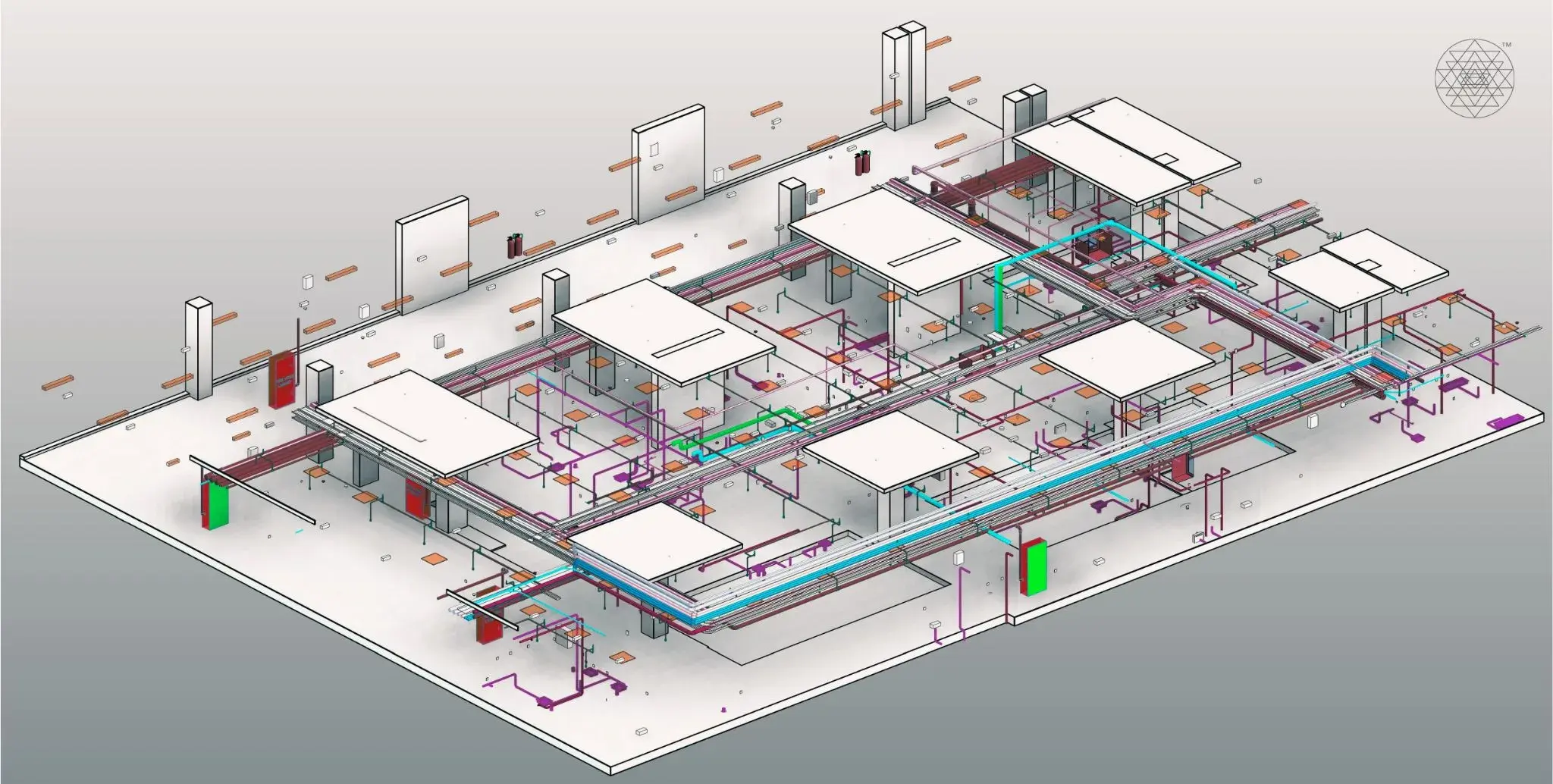

What Is BIM Coordination?
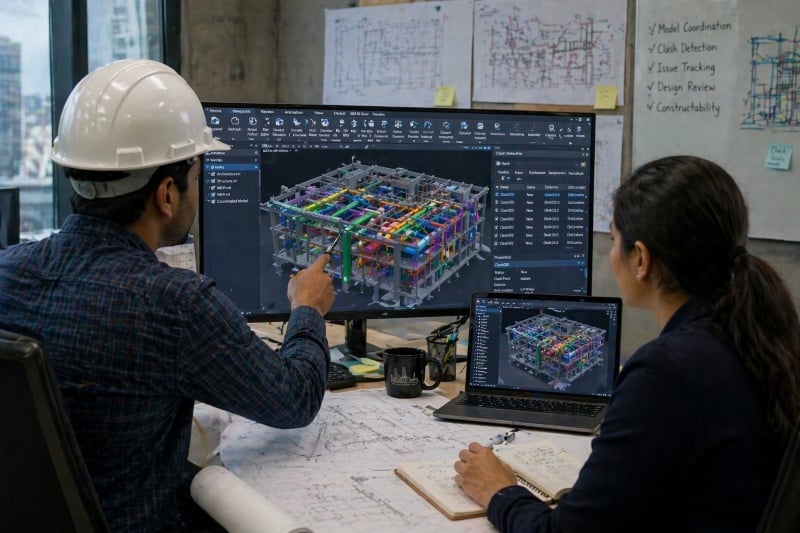
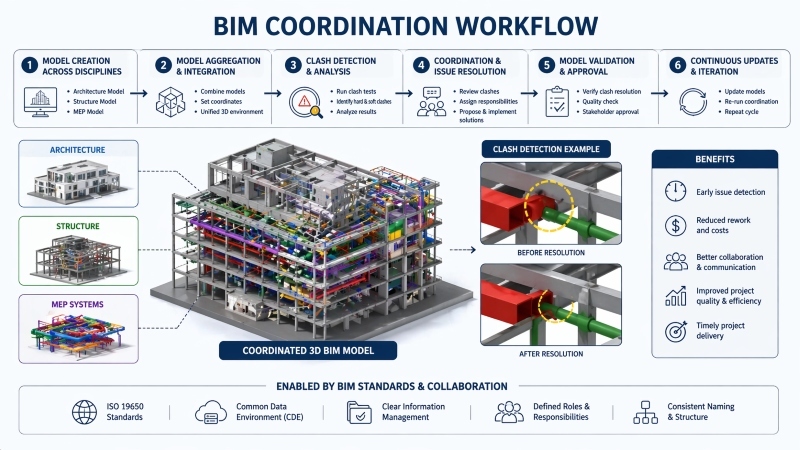
BIM coordination is a structured approach where models from different disciplines are integrated into a shared digital environment. It enables teams to identify and resolve conflicts before construction begins, improving efficiency and reducing risks.
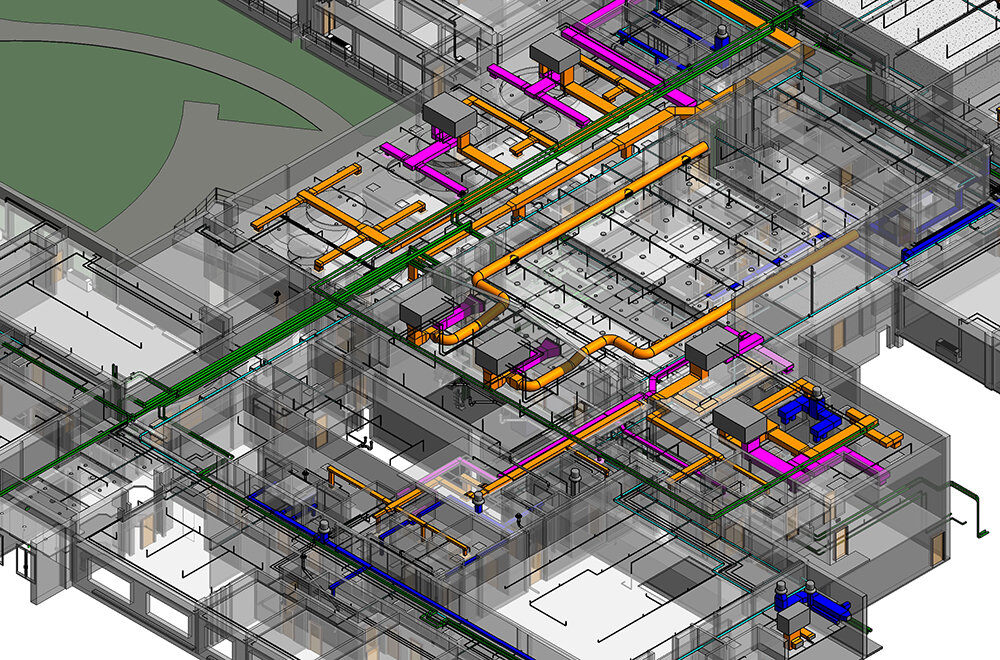
Unlike traditional methods, BIM uses 3d BIM coordination to visualize designs in three dimensions. This allows teams to clearly understand how building systems interact, including structural, architectural, and MEP components.
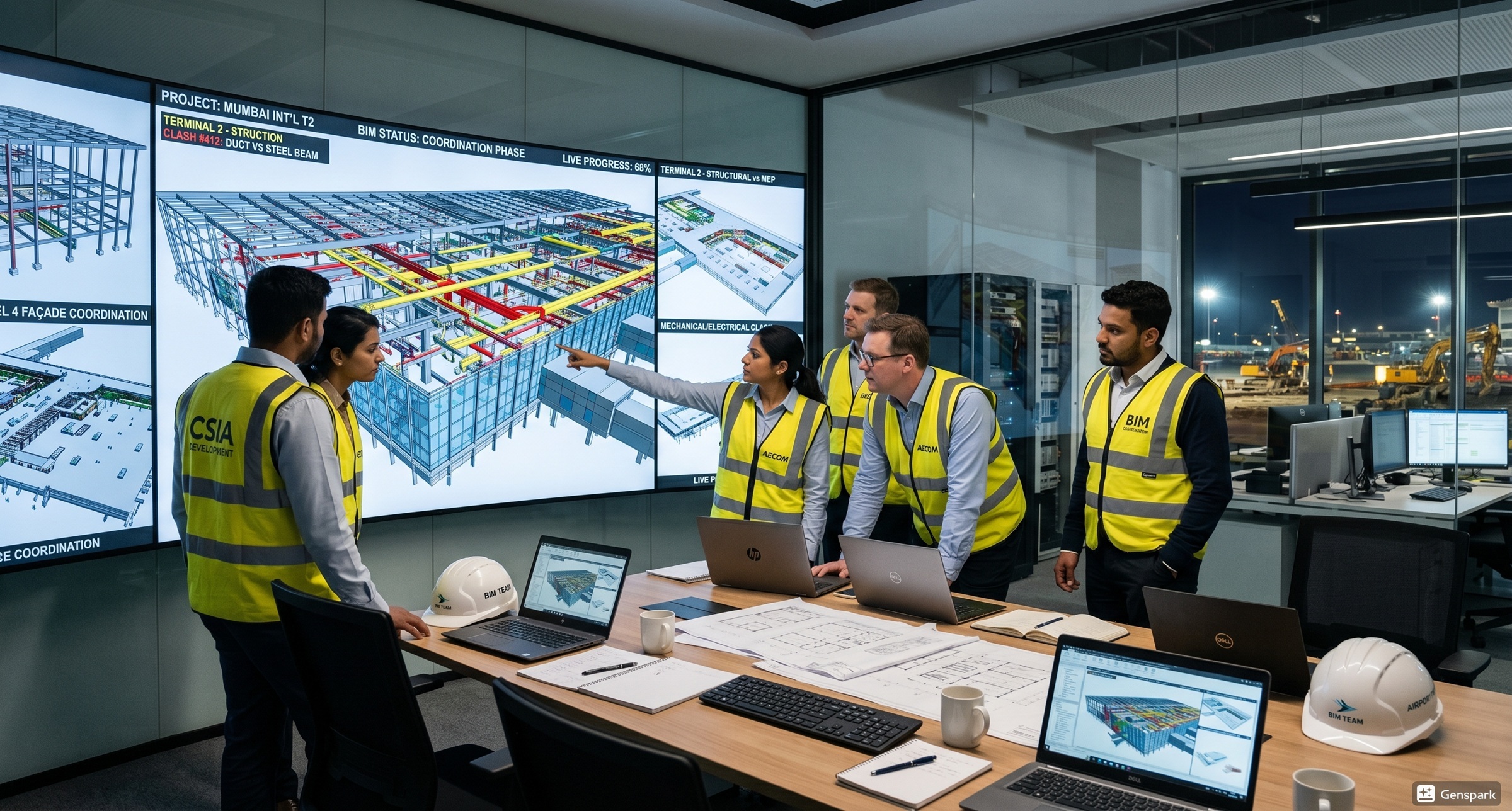
BIM also improves collaboration by creating a centralized platform where all stakeholders can access and update models in real time. This ensures that everyone works with consistent and up-to-date information, reducing errors and improving communication.
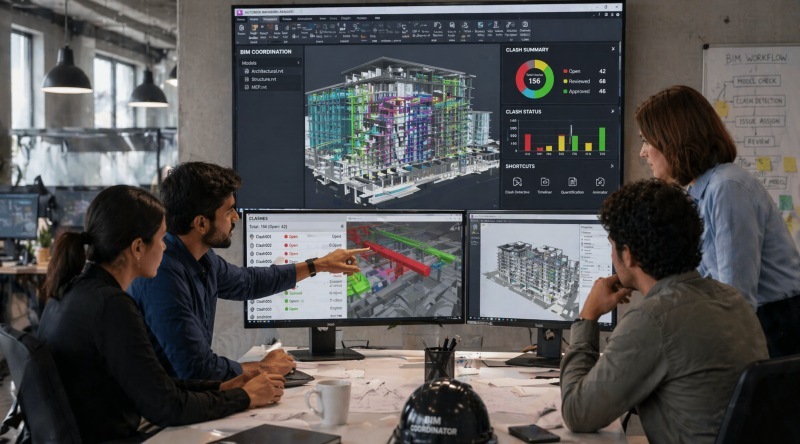
Another key advantage is the use of BIM coordination software, which supports automated clash detection, issue tracking, and workflow management. These tools help teams identify conflicts early and resolve them efficiently.
Overall, BIM transforms coordination from a reactive process into a proactive system that supports better planning, improved design coordination, and more reliable project outcomes.
Key Differences Between BIM and Traditional Coordination
Understanding the differences between these methods provides clarity on how construction workflows have evolved. The following are the most important distinctions in BIM Coordination vs Traditional Coordination.
1. Visualization and Design Understanding
Traditional coordination relies on 2D drawings, which require interpretation to understand how systems interact. This often leads to miscommunication and errors. BIM, on the other hand, uses 3d BIM coordination to provide a clear and detailed representation of the project. Stakeholders can visualize the entire building in a single model, improving clarity and reducing misunderstandings.
Understand How BIM Co-cordination works in real projects!
2. Clash Detection and Conflict Resolution
In traditional coordination, clashes are typically identified during construction, when systems overlap physically. This leads to delays and costly changes. BIM allows teams to detect clashes digitally before construction begins. Using BIM coordination software, conflicts can be analyzed and resolved early, ensuring smoother execution.
Explore, why Civil Engineers need to learn Clash Detection to streamline projects.
3. Collaboration and Information Sharing
Traditional workflows involve separate drawings and manual communication. This creates gaps in information flow. BIM introduces a shared environment where all stakeholders work on the same model. Changes are updated in real time, improving coordination and reducing the risk of errors.
4. Efficiency and Time Management
Manual coordination processes are time-consuming and require repeated checks. BIM automates many of these processes, allowing teams to focus on decision-making rather than manual tasks. This improves productivity and reduces project timelines.
5. Data Integration and Accuracy
Traditional methods rely on disconnected files, which can lead to inconsistencies. BIM integrates all project data into a single model, ensuring accuracy and consistency across disciplines. This improves decision-making and reduces risks.
6. Risk Management and Cost Control
Traditional coordination often results in higher risks due to late conflict detection. BIM reduces risks by identifying issues early and enabling better planning. This leads to improved cost control and fewer unexpected changes during construction.
These differences show how BIM creates a more efficient and reliable coordination process compared to traditional methods.
Why BIM Coordination Is Better?
BIM coordination offers several advantages that improve project outcomes, efficiency, and collaboration. These advantages show the growing importance of BIM in modern construction.
The key benefits of BIM coordination are:
- Early Conflict Detection: BIM identifies clashes during the design phase, allowing teams to resolve issues before construction begins. This reduces disruptions and ensures smoother project execution.
- Improved Collaboration Across Teams: BIM creates a shared environment where all stakeholders can work together. This improves communication and ensures alignment across disciplines.
- Enhanced Visualization for Better Planning: 3D models provide a clear representation of the project, helping teams understand complex designs and make informed decisions.
- Reduced Rework and Cost Savings: By identifying issues early, BIM minimizes the need for rework. This leads to significant cost savings and improved efficiency.
- Better Decision-Making with Accurate Data: BIM provides access to reliable and up-to-date information, enabling faster and more accurate decision-making.
- Streamlined Coordination Processes: BIM simplifies coordination in construction methods by integrating workflows and reducing manual effort.
These advantages clearly explain why BIM is better than CAD for coordination tasks. While CAD focuses on drafting, BIM provides a comprehensive system for managing design, data, and collaboration.
Overall, the benefits of BIM coordination make it a preferred method for modern construction projects.
Career Opportunities in BIM Coordination
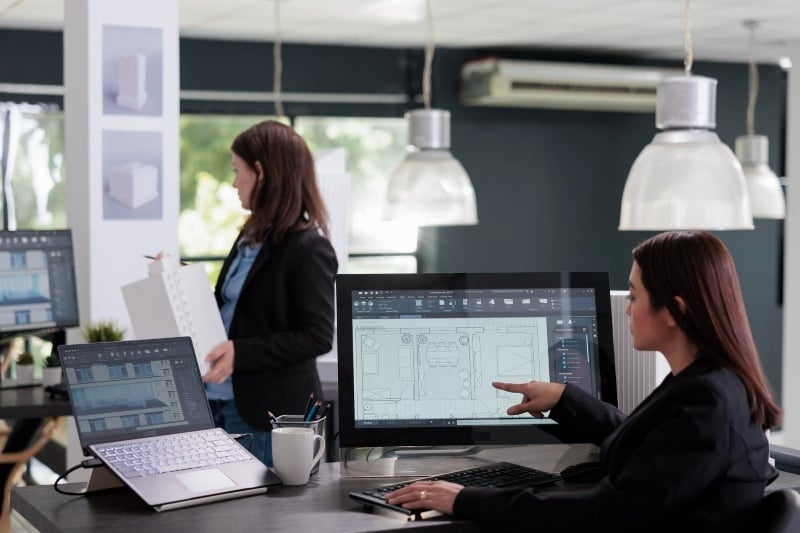
The shift toward digital construction has created strong demand for professionals in BIM coordination across multiple project types and industries. These roles focus on managing models, improving design coordination, and ensuring smooth project delivery through structured workflows.
Key career roles in this field include:
- BIM Coordinator: Manages model integration, runs clash detection, and supports 3d BIM coordination across disciplines.
- BIM Manager: Oversees coordination strategies, standards, and workflows using advanced BIM coordination software.
- BIM Modeler: Develops discipline-specific models and supports coordination teams with accurate data.
- Coordination Lead: Ensures alignment between teams and improves coordination in construction methods.
These roles are in demand across infrastructure, commercial, and residential projects. As companies move toward digital workflows, BIM professionals play an important role in reducing risks and improving efficiency, making this a stable and growth-focused career path.