


How Do Skill Requirements Change Across a BIM Career?
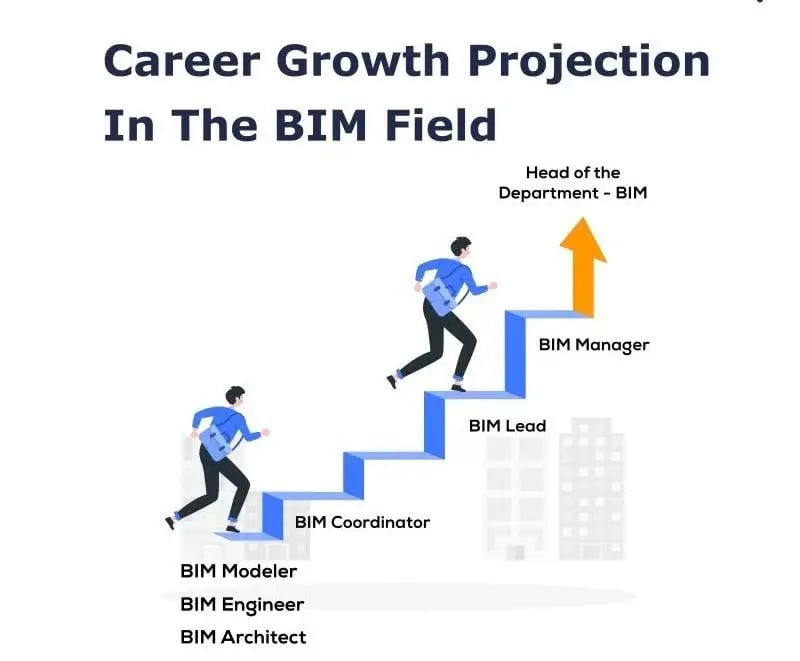
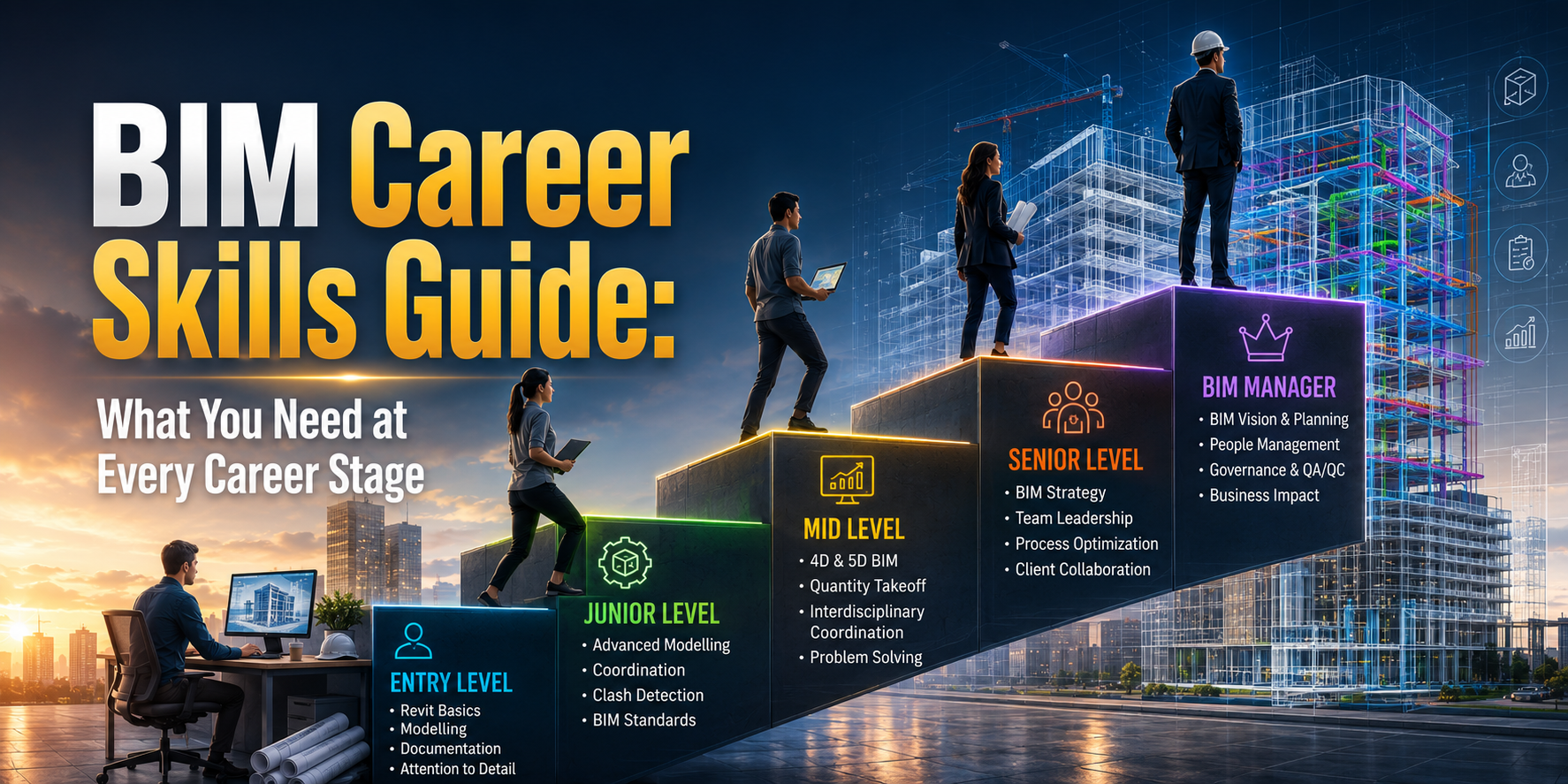
A BIM professional starts their journey from the trainee level and climbs up the ladder to evolve as a project director. Let’s have a look at the key BIM skills needed at each stage of hierarchy:
BIM Trainee: At the entry level, the focus is on building a strong technical foundation. Interns learn BIM software, create accurate 3D models, understand construction drawings, and follow modeling standards while working under experienced professionals.
BIM Modeler: As a junior level BIM role, these professionals are responsible for developing 3D models, maintaining model accuracy, producing construction documentation, and coordinating with architects and engineers to meet project requirements.
BIM Coordinator: At this stage, individuals move beyond modeling to managing collaboration between disciplines. They perform clash detection, ensure compliance with BIM standards, and resolve design conflicts before construction begins.
BIM Manager: They oversee project-wide BIM implementation, establish modeling standards, manage teams, and develop BIM Execution Plans. Additionally, their job is to ensure projects meet quality, timeline, and client expectations.
BIM Consultant: BIM Consultants help firms adopt and optimize BIM workflows. They use their BIM skills to assess existing team processes, ideate BIM implementation strategies, and provide relevant training to the team.
BIM Director: At the senior-most level of the BIM career trajectory, these professionals focus on business strategy, client relationships, resource planning, and digital transformation. They guide BIM adoption across projects and drive long-term success through informed decision-making.
What Technical Skills Should You Build at Each Career Stage?
BIM jobs require mastery in technical concepts and software for achieving career development. Here is the list of fundamental technical skills one should possess:
|
Role |
Core Skills |
Software |
Key Responsibilities |
|
BIM Modeller |
3D modeling, family creation, documentation |
Revit, Archicad |
Develop accurate BIM models |
|
BIM Coordinator |
Clash detection, model coordination, quality control |
Navisworks, BIM Collaborate Pro |
Coordinate multidisciplinary models |
|
BIM Consultant |
BIM implementation, workflow optimisation, standards development |
Autodesk Construction Cloud, Solibri |
Advise on BIM adoption and strategy |
|
BIM Manager |
BIM execution planning, team leadership, information management |
Autodesk Construction Cloud, Navisworks, Dynamo |
Lead BIM delivery and governance |
|
BIM Director |
Digital transformation, BIM strategy, business leadership |
Enterprise BIM & CDE platforms |
Drive organisational BIM vision |
Which Soft Skills Become More Important as You Grow?
Individuals transitioning into BIM jobs from traditional architecture careers or engineering jobs also need to possess soft skills as follows:
Communication Skills: BIM professionals collaborate with architects, engineers, contractors, and clients. Effective communication helps convey design intent, resolve conflicts, and ensure every stakeholder is aligned throughout the project lifecycle.
Collaboration: Multidisciplinary teamwork is an essential element of BIM methods. The ability to work with professionals from various disciplines improves coordination, minimises confusion, and leads to better project delivery.
Problem-Solving: Design conflicts, constructability issues, and utility clashes are common in BIM projects. Strong analytical and problem-solving skills help individuals identify issues and develop practical solutions before they affect construction.
Time Management: BIM projects involve multiple deadlines, design revisions, and coordination meetings. Effective time management ensures deliverables are completed on schedule without compromising model quality or project accuracy.
Leadership: As professionals advance into roles such as BIM Coordinator or BIM Manager, they use their BIM skills to guide teams, mentor junior professionals, allocate responsibilities, and ensure BIM standards are consistently followed across projects.
Adaptability: BIM technologies, industry standards, and project requirements continue to evolve. Professionals who are willing to learn new tools, embrace emerging workflows, and adapt to changing project needs are better equipped for visionary career growth.
How Do BIM Tools and Workflows Evolve with Experience?
As professionals evolve toward technical leadership, they need a more refined skillset to fulfill the responsibilities in that role. Let’s have a closer look at them:
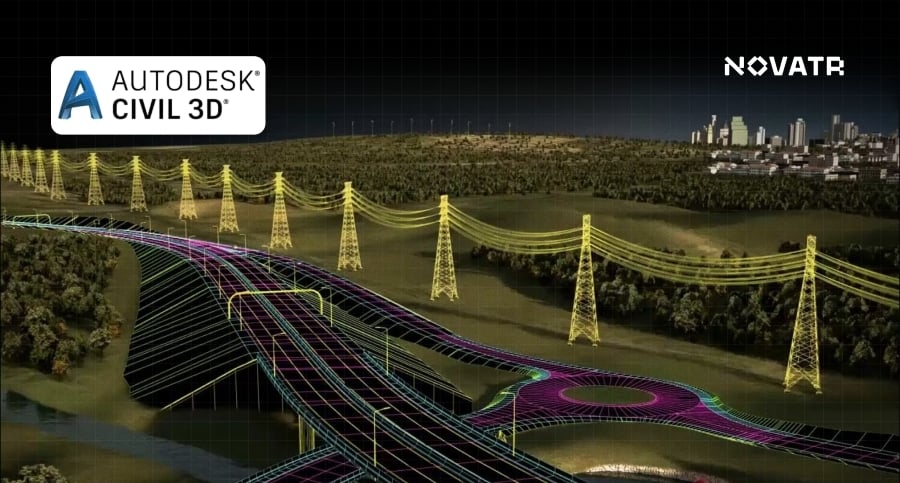
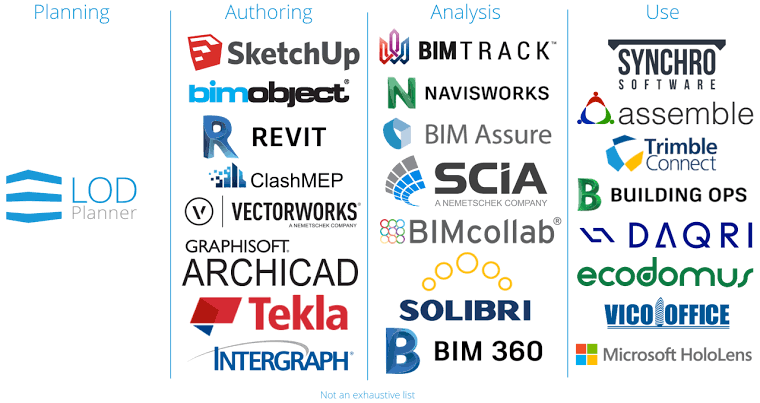
Advanced BIM Software: Entry-level professionals primarily work with modeling tools such as Revit, Archicad, or Civil 3D. After gaining experience, they grow their expertise in coordination, analysis, and project management platforms such as Navisworks, Autodesk Construction Cloud (ACC), Solibri, and Tekla Structures.
Model Coordination: BIM skilled professionals are accountable for integrating architectural, structural, and MEP models into a comprehensive workflow. They undertake clash detection, resolve interdisciplinary conflicts, and ensure the model remains coordinated throughout the project lifecycle.
BIM Execution Planning: Senior professionals develop and implement BIM Execution Plans (BEPs), define naming conventions, and ensure all stakeholders practise consistent workflows to improve quality and collaboration.
Data Management: As projects become more complex, BIM experts move beyond geometry to managing project data. They supervise model information, maintain information accuracy, and provide digital assets to support construction, operations, and facility management.
Common Data Environment (CDE): As projects become larger, professionals begin working within cloud-based CDEs. This enables teams to access the latest project information, track revisions, and collaborate seamlessly from different locations.
What Common Skill Gaps Slow Career Growth?
Individuals lacking BIM skills usually struggle to transition into design management, construction management, and facility management roles. Here are the most common skill gaps that impact their career development:
Limited Digital Skills: Many professionals are still comfortable with traditional CAD-based workflows and hesitate to adopt BIM software. This makes it difficult for them to operate on projects that highly rely on digital collaboration and intelligent building models.
Resistance to Change: BIM requires a shift from isolated drafting to collaborative project delivery. Professionals who continue following conventional design workflows often find it challenging to adapt to BIM-enabled projects.
Poor Coordination Skills: BIM projects involve architects, engineers, contractors, and consultants working on a shared model. Professionals who struggle with cross-disciplinary coordination may find it difficult to contribute to collaborative workflows.
Lack of Continuous Learning: BIM technology continues to evolve with cloud collaboration, automation, AI, and digital twins. Individuals refraining to upgrade their skills risk falling behind industry expectations and emerging job opportunities.
How Can You Build Industry-Ready BIM Skills?
The first step to kickstarting a career in BIM is learning this design and construction technology. Let’s explore the key ways through which individuals can attain industry-relevant BIM skills.
Start with Free Learning Resources: Begin by exploring YouTube videos, webinars, and blogs to understand BIM fundamentals and terminology. This helps you build a conceptual foundation before investing in formal training.
Take Short-Term BIM Courses: Once individuals are familiar with the basics, they can enrol in short courses that teach software like Revit, Navisworks, or Archicad. These programs develop practical modeling skills and allow them to gain confidence with industry-standard tools.
Pursue Academic BIM Programs: Many institutions now offer BIM-focused certifications, and postgraduate programmes. These courses provide structured learning and expose you to BIM components.
Enrol in a Digital Course: If you're looking to build job-ready skills, considering an industry-led course such as Novatr's BIM Professional Program would be an excellent approach. It is a BIM certification course that combines software training, real-world projects, and mentorship to train professionals for BIM roles across the AEC industry.