
.jpg)

Quick Facts
Below are some of the facts you need to know about the São Paulo Museum of Art (MASP):
|
Category |
Details |
|
Location |
Avenida Paulista, São Paulo, Brazil |
|
Height |
8.5 meters (above ground level) |
|
Floors |
Two main levels with an open ground floor |
|
Architect |
Lina Bo Bardi |
Revolutionary Design Concepts of São Paulo Museum of Art (MASP)
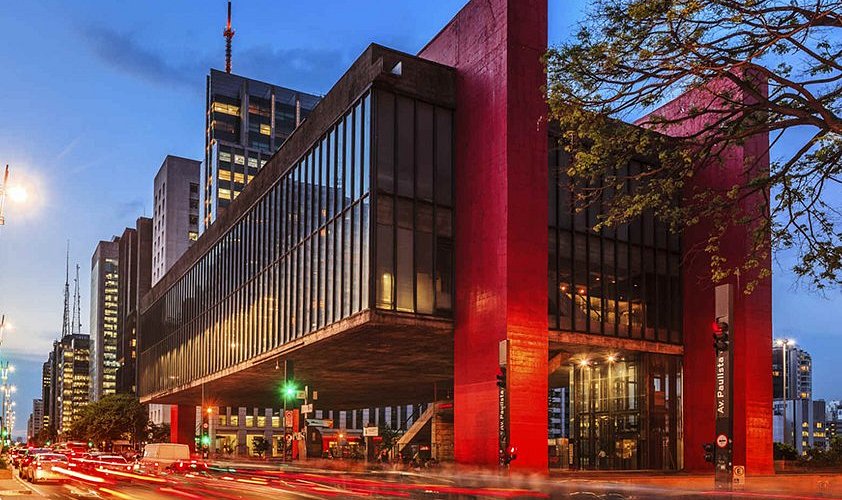
The São Paulo Museum of Art, designed by Lina Bo Bardi, is a modern architectural masterpiece. The design of the MASP boldly attempted to break the shackles of existing architectural thought and bring the museum to the people. The starkly innovative conception of space is the one great gesture of the entire building.
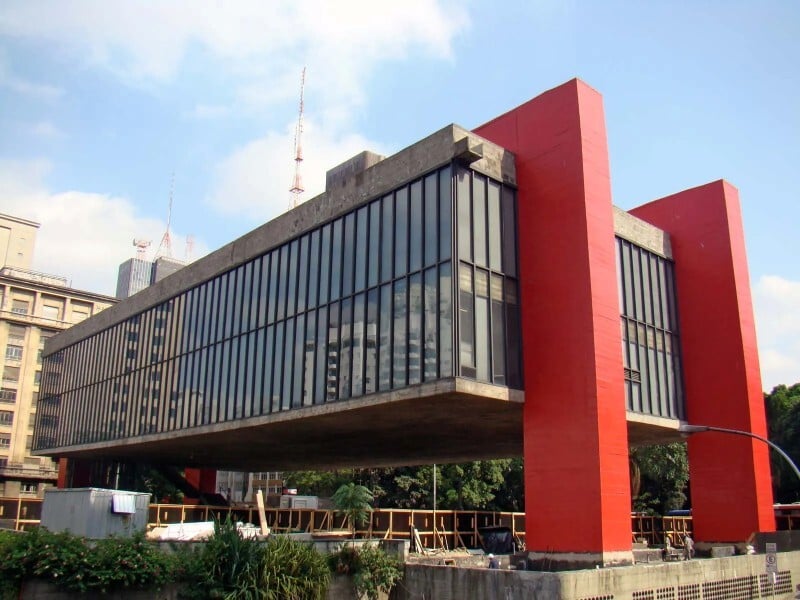
The museum's major feature, the big concrete frame that elevates the main body of MASP, allows the public to walk freely underneath. Thus, it could be said that raising the building not only serves design concerns but also is an assertion of accessibility and openness. On the other hand, the museum's transparent glass walls provide an unhindered view of the surrounding city, making it appear as if the museum were an extension of the urban landscape.
Minimalistic yet spectacular, the design presents the main mass of the MASP museum as a rectangular box held by means of two large beams laterally disposed to it. It creates an open space underneath which connects directly to the street, providing additional space for cultural activities, markets, or public events. That open space is one of the museum's defining features, permitting interaction with the building in ways unusual for cultural institutions at the time.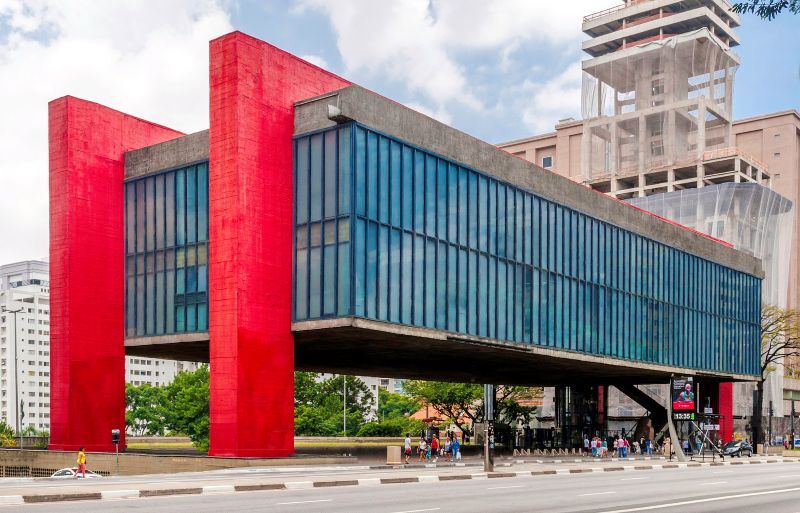
The materials that Lina Bo Bardi chose, such as steel and glass for the facade, reflected her allegiance to the tenets of modernism. The transparency and openness of the structure symbolized the idea that art must be accessible to all, a departure from the traditional enclosed and almost elitist nature of museums. In a city like São Paulo, with its frenzied urbanity, the MASP Brazil presents a bold contrast to typical museum buildings that could be labelled "more or less monumental."
To learn more about modern architectural designs, read on how BIM is used in urban planning in 2026.
Restoration and Conservation Efforts
The São Paulo Museum of Art, designed in the late 1960s, was subjected to the natural wear and tear of time. Like any other landmark of importance, it did undergo some cycles of restoration and conservation in its life to safeguard the integrity of the building while also remaining true to the original design. Among other major works done at the museum was an inspection of the condition of the building's bearings, particularly the huge concrete beams and glass facade.
In the early 2000s, significant restoration was undertaken to address the challenges posed by decades of urban development, pollution, and the natural ageing of materials. The restoration process was planned meticulously not to jeopardize the original design, which had become so intrinsically linked with the identity of the MASP Museum São Paulo. Modern technologies reinforced the structure while not interfering with its aesthetic qualities.
The collection, including masterpieces by Brazilian and international artists, has undergone extensive conservation, too. The institution has taken pride in preserving its architecture and art, ensuring MASP remains an important cultural centre for future generations.
Through the years, MASP became a symbol of resilience to São Paulo, demonstrating that even a modernist masterpiece may transform and adapt yet keep its cultural relevance. These efforts at restoration enable MASP to maintain its purpose of encouraging art for everyone while the building itself acts as a bridge between art and the audience.
Also Read - One World Trade Center: Architecture, Design Features & Engineering Challenges
Lina Bo Bardi’s Broader Influence on Social Architecture
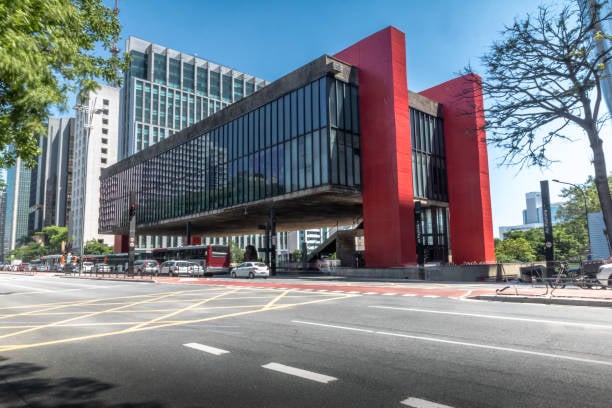
The work of Lina Bo Bardi MASP, transcends material architecture. It bears the imprint of her social and cultural context and illuminates her way of thinking about designing spaces as instruments to engage with society. She perceived architecture as more than a pursuit of beauty; rather, it was a tool for enhancing the lives of its users. Social interaction, inclusivity, and cultural exchange were promoted in her designs.
For example, the São Paulo Museum of Art was conceived not merely as a shelter for works of art but also as an arena for the public to engage socially with art and one another. The first floor elevated off the ground, enables beautiful views of the cityscape but hides behind the back screen walls; no conventionally enclosed wall lends privacy to conversations on artworks, social interactions, performances, or informal gatherings. This idea was revolutionary for its time: in Brazil, where social divides were sharp, public spaces were designed to restrict interactions between different social groups.
Also, Bo Bardi was known for her conviction about architecture's transforming capacity for society. She envisioned MASP as a cultural space for the masses through which art could be experienced collectively and not merely by the elite. This fits within her larger philosophy of social architecture: that architecture should create space in which communities can empower themselves and where people from different walks of life are able to participate in cultural life.
Also Read - Legends Tower in OKC City : Learn About Its Architecture, Design & Engineering Challenges