---
title: Is PE Enough in a BIM-Driven Construction Industry?
description: Explore what a PE license means, eligibility, exam difficulty, and why BIM matters for professional engineers in today’s construction industry.
image: https://blog.novatr.com/hubfs/PE%20Enough%20in%20a%20BIM-Driven%20Construction%20Industry.jpg
---
[Blogs](https://www.novatr.com/learning-hub)
- [Architecture & Construction](https://www.novatr.com/learning-hub?category=Architecture+%26+Construction)
- [BIM](https://www.novatr.com/learning-hub?category=BIM)
- [Computational Design](https://www.novatr.com/learning-hub?category=Computational+Design)
- [Company News](https://www.novatr.com/learning-hub?category=Company+News)
- [Expert Talks](https://www.novatr.com/learning-hub?category=Expert+Talks)
Explore Courses
[Just Launched  BIM Professional Program v.2026 Take your career to the next level by mastering the real-world application of BIM. Know More](https://www.novatr.com/courses/bim-professional-program)
[ Master Computational Design Course Break into an advanced career by learning to apply the power of computation to the art of design. Know More](https://www.novatr.com/courses/computational-design)
[Blogs](https://www.novatr.com/learning-hub)
Explore Blogs
- [Architecture & Construction](https://www.novatr.com/learning-hub?category=Architecture+%26+Construction)
- [BIM](https://www.novatr.com/learning-hub?category=BIM)
- [Computational Design](https://www.novatr.com/learning-hub?category=Computational+Design)
- [Company News](https://www.novatr.com/learning-hub?category=Company+News)
- [Expert Talks](https://www.novatr.com/learning-hub?category=Expert+Talks)
Courses
- [BIM Professional Program v.2026](https://www.novatr.com/courses/bim-professional-program)
- [Master Computational Design](https://www.novatr.com/courses/computational-design)
- [CIVIL/](https://www.novatr.com/learning-hub?category=BIM)
Featured Article
# Is PE Enough in a BIM-Driven Construction Industry?

Deependra Dobriyal
February 24, 2026
6 min read
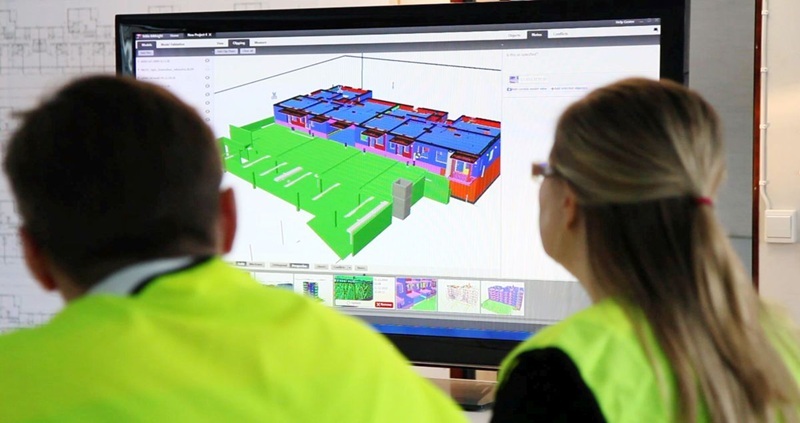

**What is a PE License** and is it still enough for today’s technology-driven construction industry? A Professional Engineer (PE) license proves technical competence, legal authority, and accountability in engineering practice. However, with digital construction methods like Building Information Modeling (BIM) shaping modern workflows, engineers increasingly need both licensure and digital expertise.
Data from the [National Council of Examiners for Engineering and Surveying](https://www.pdh-pro.com/pe-resources/how-many-licensed-professional-engineers-are-there-in-the-us/?) shows there were over 931,640 active PE licenses across all U.S. states, reflecting the importance of professional licensure in engineering practice. These figures help answer questions such as **how many professional engineers are there in the US and** highlight the profession’s structured regulatory framework.
Traditional qualifications remain valuable, but the construction industry now emphasizes digital collaboration, data-driven design, and integrated project delivery.
Unlock High-Paying Careers With BIM
Master BIM workflows, software and skills on real projects.
Apply Now
\*Limited seats available
## **What Is a PE License?**
** 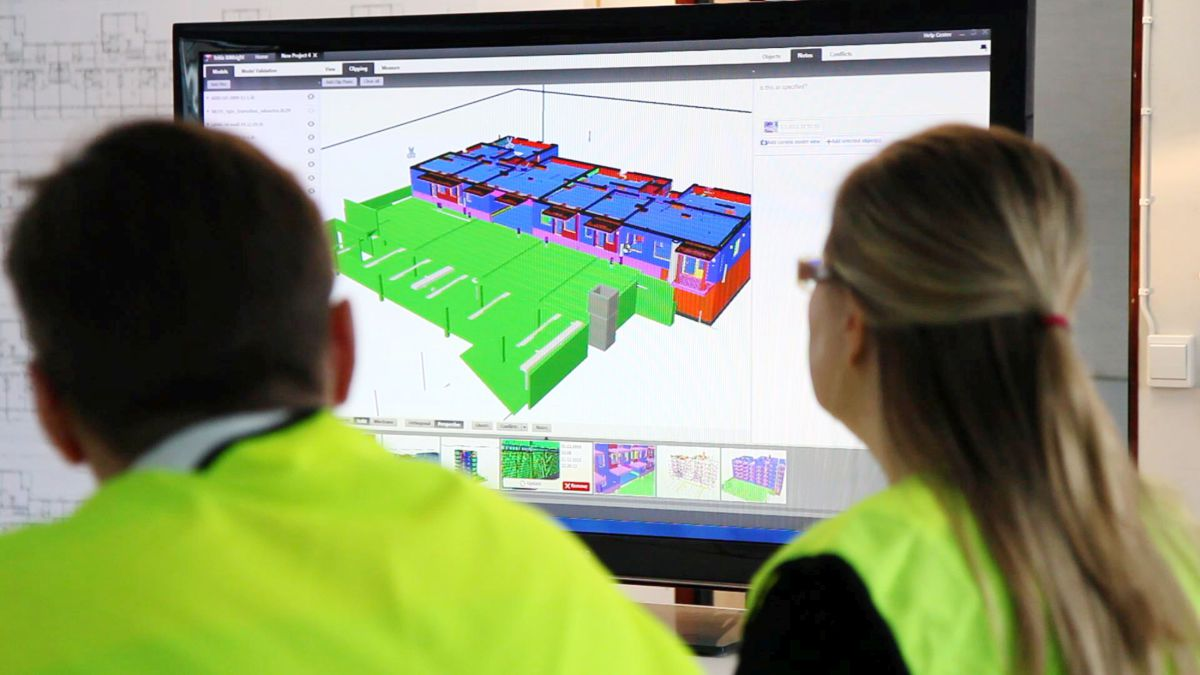**
A [Professional Engineer](https://www.novatr.com/blog/pe-license-vs-bim-skills-what-senior-civil-engineers-need-today) license is a legally recognized credential that allows engineers to approve designs, sign technical documents, and take responsibility for public safety in engineering projects. It demonstrates verified education, professional experience, and successful completion of rigorous exams.
The credential establishes trust in engineering work across sectors such as infrastructure, construction, and manufacturing. Engineers with this license often hold leadership roles in project planning, structural design, and regulatory compliance.
To understand the scope of this credential, it is useful to look at the professional authority it provides. A licensed engineer can:
- Approve engineering drawings and plans for public projects
- Offer engineering services directly to clients
- Validate safety standards and regulatory compliance
- Supervise engineering teams and technical processes
- Take legal responsibility for project outcomes
The profession also attracts attention due to career prospects. Many professionals explore **how much does a professional civil engineer make** before pursuing licensure. Earnings typically vary by specialization, experience, and location, but licensed engineers often earn higher salaries due to their legal authority and technical responsibility.
Licensure also involves a demanding assessment process. Many candidates wonder **how hard is the professional engineering exam**, as it requires advanced technical knowledge, practical experience, and strong problem-solving skills. The examination evaluates both theoretical understanding and real-world engineering judgment.
A PE license therefore represents technical credibility and professional accountability. However, as construction workflows become digital and collaborative, engineers increasingly combine licensure with technology-driven competencies such as BIM.
Also Read: [*What is FE Civil Exam?*](https://www.novatr.com/blog/fe-civil-exam-explained)
## **Eligibility Criteria for PE License?**
The path to licensure follows a structured process designed to confirm an engineer’s competence and experience. Understanding **eligibility for PE License** requirements helps candidates prepare for each stage of certification.
To qualify, candidates typically need:
- A bachelor’s degree in engineering from an ABET-accredited program
- Successful completion of the Fundamentals of Engineering (FE) exam
- Four years of supervised professional engineering experience
- Passing the Professional Engineering (PE) exam
- Compliance with state-specific licensing board requirements
These requirements ensure that licensed engineers possess both academic knowledge and practical experience.
Professional experience plays an important role in eligibility. Candidates must demonstrate problem-solving ability, project exposure, and technical responsibility under licensed supervision.
The licensing process also requires continuous learning. Many states mandate continuing education to maintain the credential, reflecting the evolving nature of engineering practices.
Understanding **eligibility for PE License** criteria clarifies why licensure carries professional credibility. The structured process ensures that licensed engineers meet consistent standards across the industry. However, technical competence alone does not fully address the demands of digital construction, which explains the growing relevance of [BIM skills](https://www.novatr.com/blog/pe-license-vs-bim-skills-what-senior-civil-engineers-need-today).
## **How to Get a PE License?**
Understanding **how to get professional engineer license** status involves following a step-by-step process that combines education, testing, and professional experience. The pathway requires commitment and long-term preparation.
The licensing journey typically includes the following stages:
1. **Earn an accredited engineering degree:** Candidates begin with an engineering program recognized by accreditation bodies. This education provides foundational knowledge in mathematics, physics, and engineering design.
2. **Pass the Fundamentals of Engineering exam:** The FE exam measures basic engineering knowledge. Passing this exam qualifies individuals as an Engineer in Training (EIT) or an Engineering Intern (EI).
3. **Gain relevant work experience:** Candidates work under licensed engineers to develop technical competence and practical judgment.
4. **Pass the Professional Engineering exam:** This advanced exam evaluates discipline-specific expertise and problem-solving ability. Many candidates researching **how hard is the professional engineering exam** find that preparation requires extensive study and professional experience.
5. **Apply for state licensure:** Candidates submit documentation of education, experience, and exam results to the licensing board.
The process explains why licensure is widely respected. It confirms that engineers possess both theoretical knowledge and practical experience.
The steps outlined above explain **how to get professional engineer license** status and highlight the value of licensure.
## **Why BIM Is Important for Licensed Professional Engineers?**
[Building Information Modeling](https://www.novatr.com/blog/what-is-building-information-modeling-bim) is transforming how construction projects are planned, designed, and managed. It creates digital representations of physical structures, enabling collaboration across teams and improving project accuracy.
For licensed engineers, technical authority alone is no longer sufficient. Understanding **BIM for professional engineers** enables more efficient design coordination, risk reduction, and data-driven decision-making.
The benefits of BIM include:
- Improved design accuracy through digital modeling
- Real-time collaboration between project stakeholders
- Enhanced visualization of structural and architectural elements
- Better cost estimation and scheduling
- Reduced errors and rework in construction
Licensed engineers working with BIM can review models, detect design conflicts, and validate project feasibility before construction begins.
The shift toward digital construction also affects project delivery methods. Many public infrastructure projects now require BIM-based workflows for compliance and coordination. Engineers with both licensure and BIM knowledge therefore have stronger professional relevance.
For example, a civil engineer responsible for bridge design can use BIM to simulate structural behavior, identify potential issues, and coordinate with architects and contractors. This integration improves efficiency and project safety.
The growing importance of [**BIM for professional engineers**](https://www.novatr.com/blog/bim-for-engineering) reflects broader changes in the industry.
## **Where to Learn BIM?**
**[](https://www.novatr.com/courses/bim-for-civil-engineers/l?utm_source=blog&utm_medium=website_card_after_intro&utm_campaign=bim_civil_course_leads)**
Engineers interested in digital construction tools often explore structured training programs to build BIM expertise. Learning opportunities range from university programs to specialized online courses.
A structured learning approach usually covers:
- [3D modeling and design workflows](https://www.novatr.com/blog/everything-about-3d-modelling-in-construction)
- Project collaboration tools
- Clash detection and coordination processes
- Construction documentation and visualization
- Data-driven project management
Professionals seeking a **BIM course** typically look for training that connects theoretical knowledge with practical applications. Courses often include hands-on projects that simulate real construction scenarios.
Online programs such as [BIM professional course for Civil Engineer by Novatr](https://www.novatr.com/blog/why-novatrs-bim-civil-course-is-a-game-changer-for-civil-engineers) provide flexible learning options for working professionals. When selecting a training program, engineers consider factors such as curriculum depth, software exposure, and industry relevance. The right program enables engineers to apply BIM principles directly in professional projects.
Developing BIM skills strengthens career opportunities, particularly for engineers involved in infrastructure, urban development, and large-scale construction.
Master BIM and Get Hired Faster
Join a community of 8500+ Architects and Engineers.
Explore Now
\*Limited seats available
## **Conclusion**
A PE license remains an essential credential that confirms technical competence, professional responsibility, and legal authority in engineering practice. The licensing process ensures that engineers meet rigorous standards and maintain public safety. However, the construction industry continues to evolve through digital technologies, collaborative workflows, and data-driven design.
For civil engineers looking to build practical BIM expertise alongside professional qualifications, structured training can provide hands-on exposure to industry workflows and tools. The [BIM professional Course for Civil Engineers](https://www.novatr.com/us/courses/bim-for-civil-engineers) offered by [Novatr](https://www.novatr.com/us) focuses on real-world applications, project-based learning, and skills aligned with architecture, engineering, and construction practices.
Visit our [resource page](https://www.novatr.com/learning-hub) to explore learning pathways, course details, and additional materials that support BIM skill development for engineering professionals.
Was this content helpful to you
Like Yes
Dislike No

TABLE OF CONTENTS
BIM Is The New Standard. Are You Certified?
Get Certified in BIM
SHARE ON YOUR SOCIALS
Link Copied Successfully
Related articles
[ CIVIL Why a PE License Alone Is No Longer Enough in Today’s BIM-Driven Industry 24 February 2026 6 min read](https://blog.novatr.com/blog/why-a-pe-license-alone-is-no-longer-enough-in-todays-bim-driven-industry) [ CIVIL 10 Most Used Software Tools for Construction Project Engineers in USA (2026) 16 July 2025 6 min read](https://blog.novatr.com/blog/10-most-used-software-tools-for-construction-project-engineers-in-usa) [ CIVIL What Does a Construction Project Manager Do? Job Roles, Skills & Top Software 28 July 2025 4 min read](https://blog.novatr.com/blog/what-does-a-construction-project-manager-do-job-roles-skills-top-software) [ CIVIL 10 Examples How BIM is Revolutionizing Infrastructure Projects in the USA? 23 February 2026 7 min read](https://blog.novatr.com/blog/10-examples-how-bim-is-revolutionizing-infrastructure-projects-in-the-usa)
Download Syllabus
## BIM Professional Program
Next Cohort
June 2026
Program Duration
7 Months
Premium Program benefits
8 Credentials from Autodesk, NSDC, Novatr
1 program. 10 career paths. Infinite Growth.
40+ ISO 19650 & RIBA real-world projects to practice
1-on-1 guidance. Access 400+ industry experts.
Access the biggest AEC-Tech community on the planet. 8500+ and counting
Curated for you by 100+ global BIM leaders.
Lifelong access to course content
Enter your details to download the program syllabus.
##### BIM Professional Program
June 2026, 7 Months
Your Name Invalid name.
Phone Number Enter a valid phone number
Email Please enter a valid email address.
Select years of experience\* Currently studying 0-1 years 1-2 years 2-4 years 4-8 years 8-10 years 10-12 years 12+ years Invalid selection.
Specialisation Select your background\* Architecture Civil Engineering Mechanical Engineering Electrical Engineering Invalid selection.
Are you professionally trained in interior design?
Yes
No
I agree to the [Terms of Use](https://www.novatr.com/terms-and-conditions) and [Privacy Policy](https://www.novatr.com/privacy-policy), and consent to be contacted by Email, Call, WhatsApp, or SMS.
Submit
Ready to skyrocket your career?
Begin your next chapter in AEC
with Novatr!
We are here to help you take the industry by storm with advanced, tech-first skills.
[Explore Courses](https://www.novatr.com/#courses)
Join our newsletter
Submit
Thank you for signing up.
We’ll send you a nice letter once per week. No spam.

Dare to Disrupt.
Join thousands of people who organise
work and life with Novatr.
Company
- [About Us](https://www.novatr.com/about)
- [BIM Professional Program v.2026](https://www.novatr.com/courses/bim-professional-program)
- [Masters Computational Design](https://www.novatr.com/courses/computational-design)
- [Become a Mentor](https://www.novatr.com/apply-as-mentor)
- [Hiring from Us](https://www.novatr.com/hire-from-us)
- [Careers at Novatr](https://www.novatr.com/career)
Resources
- [Blog](https://www.novatr.com/learning-hub)
- [Media Room](https://www.novatr.com/media-room-home-page)
- [Career Builder](https://www.novatr.com/career-navigator)
- [Events & Webinars](https://www.novatr.com/webinars)
- [FAQs & Support Center](https://www.novatr.com/contact-us)
- [Contact Us](https://www.novatr.com/contact-us)
- [Privacy Policy](https://www.novatr.com/privacy-policy)
- [Terms of Use](https://www.novatr.com/terms-and-conditions)
©2023 Oneistox Network Pvt. Ltd.
All Rights Reserved
```json
{
"@context" : "https://schema.org",
"@type" : "BlogPosting",
"author" : {
"@type" : "Person",
"name" : "Deependra Dobriyal",
"url" : "https://blog.novatr.com/blog/author/deependra-dobriyal"
},
"dateModified" : "2026-02-24T08:45:49.643Z",
"datePublished" : "2026-02-24T08:40:47.000Z",
"headline" : "Is PE Enough in a BIM-Driven Construction Industry?",
"image" : [ "https://blog.novatr.com/hubfs/PE%20Enough%20in%20a%20BIM-Driven%20Construction%20Industry.jpg" ],
"mainEntityOfPage" : {
"@id" : "https://blog.novatr.com/blog/is-pe-enough-in-a-bim-driven-construction-industry",
"@type" : "WebPage"
},
"publisher" : {
"@type" : "Organization",
"logo" : {
"@type" : "ImageObject",
"url" : "https://blog.novatr.com/hubfs/Novatr%20Prev%20OX-2.svg"
}
}
}
```