



What Is a Professional Engineer (PE)?

A Professional Engineer is a licensed engineering professional authorized to approve designs, sign engineering documents, and take legal responsibility for public safety in engineering projects. The license demonstrates advanced technical competence and professional accountability.
The pe full form in engineering refers to Professional Engineer. Engineers who obtain this credential gain authority to lead projects, supervise teams, and validate engineering work for infrastructure development.
A professional engineer license confirms that an individual meets the education, examination, and experience requirements defined by state engineering boards and the National Council of Examiners for Engineering and Surveying (NCEES).
Key responsibilities of licensed engineers include:
- Approving structural and infrastructure designs
- Signing and sealing engineering documents
- Supervising engineering teams
- Ensuring regulatory compliance
- Managing public infrastructure projects
The role reflects both technical expertise and legal accountability in engineering practice.
How to Become a Professional Engineer?
The pathway for how to become a professional engineer follows a structured progression that ensures technical competence and practical experience.
Most engineers follow these main steps:
- Earn an accredited civil engineering degree
- Pass the Fundamentals of Engineering (FE) exam
- Obtain an engineer in training certificate
- Gain four years of supervised work experience
- Pass the Professional Engineering (PE) exam
The process ensures engineers develop both theoretical knowledge and real-world project experience.
The engineer in training certificate (EIT) is a key milestone that confirms an engineer has passed the FE exam and is progressing toward full licensure.
This structured pathway supports industry standards and ensures engineering work meets safety and performance requirements. However, modern infrastructure projects now require additional digital skills alongside this traditional route.
What Is PE License and How to Get One?
A professional engineer certification confirms an engineer’s ability to perform advanced engineering work independently. The certification allows engineers to take legal responsibility for engineering designs.
Understanding how to get professional engineer license involves meeting education, examination, and experience requirements.
Requirements typically include:
- Completion of an accredited engineering degree
- Passing the FE exam
- Relevant engineering work experience
- Passing the PE exam
- State board approval
The PE exam evaluates technical expertise within specialized engineering disciplines such as structural, transportation, or geotechnical engineering.
Obtaining a professional engineer license increases career mobility, supports leadership roles, and enables engineers to work on public infrastructure projects.
While licensing confirms technical competence, it does not fully cover modern digital coordination and model-based workflows, highlighting the growing need for complementary skills in digital modeling and integrated project delivery.
What Is BIM and Why Does BIM Skills Matter Today?
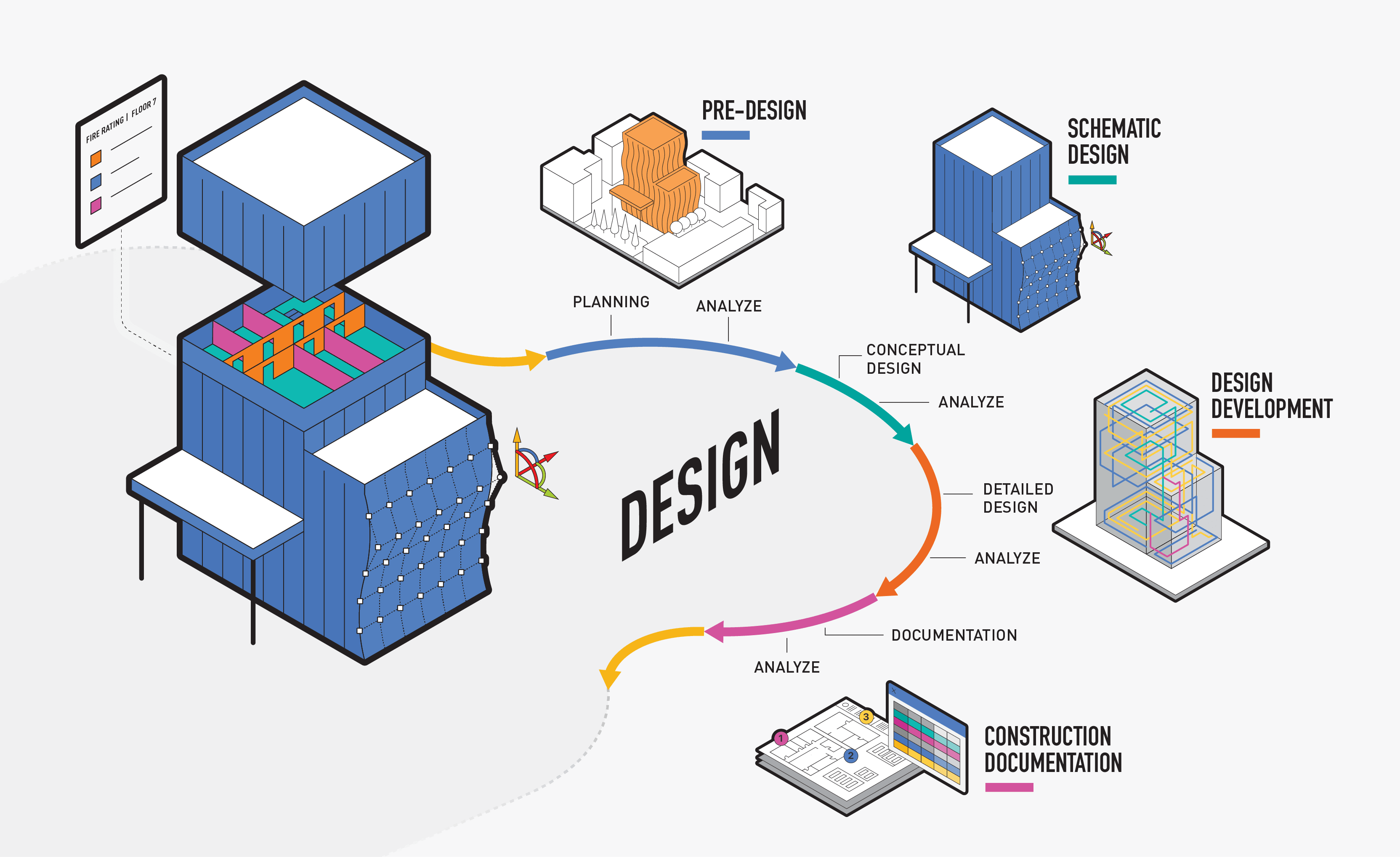
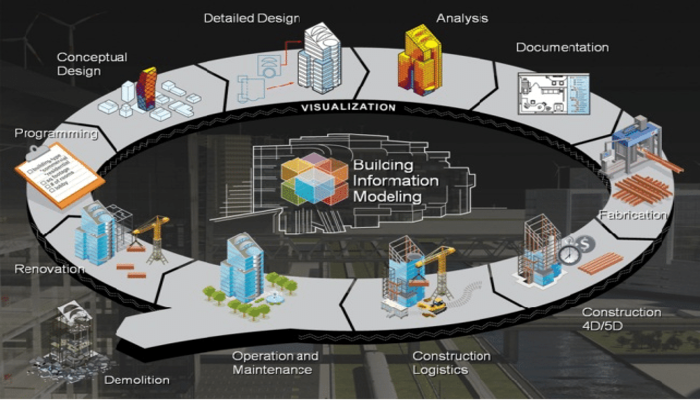
Building Information Modeling (BIM) is a digital process that integrates design, analysis, construction planning, and asset management into a coordinated 3D environment.
BIM for civil engineering enables engineers to visualize infrastructure, detect conflicts, and manage project data throughout the project lifecycle. It connects design teams, contractors, and stakeholders through shared digital models.
BIM skills are important because modern projects require engineers to manage:
- Digital coordination across multiple disciplines
- Data-driven project decisions
- Construction sequencing and visualization
- Infrastructure lifecycle management
- Real-time collaboration between teams
Engineers use BIM software to simulate project performance, detect design conflicts, and improve construction efficiency.
The growing adoption of BIM reflects the shift from isolated design work to integrated project delivery systems. For senior engineers, understanding digital workflows improves project control, reduces errors, and strengthens collaboration across large infrastructure programs.
How BIM Changes the Role of Senior Civil Engineers?
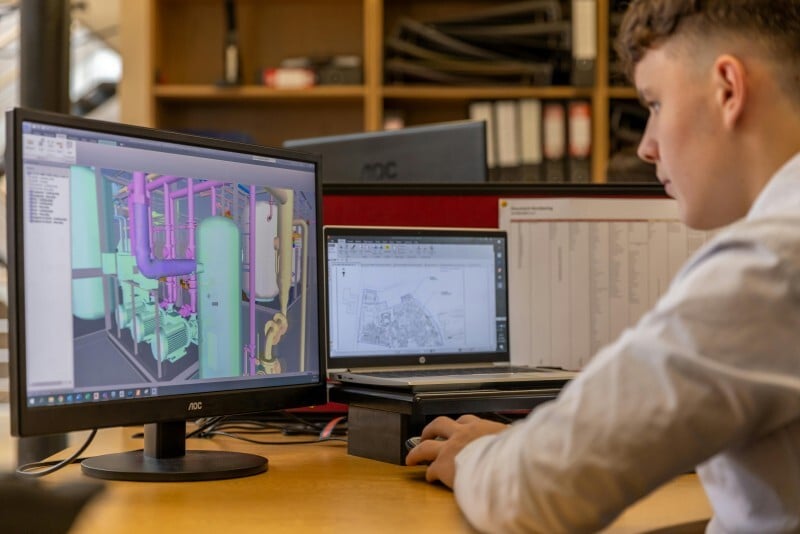
The responsibilities of senior engineers have expanded significantly due to digital transformation. BIM changes how projects are designed, coordinated, and executed.
Modern engineering roles now involve:
- Managing digital project coordination
- Supervising multidisciplinary workflows
- Reviewing model-based designs
- Ensuring data consistency across project stages
- Supporting lifecycle asset management
This shift means senior engineers must balance technical knowledge with digital project leadership.
Where to Learn BIM?
Developing BIM expertise requires structured training that focuses on real-world workflows and project coordination methods. Engineers usually learn digital modeling and coordination through professional programs and industry training.
Programs such as Novatr’s BIM professional course for civil engineers focus on project-based learning, model coordination, and digital infrastructure workflows.
With Novatr, You'll learn:
- 5+ industry softwares, including Autodesk Revit, Navisworks, Autodesk Construction Cloud: Docs, Coordination & Collaboration.
- Master essential plugins such as EF-Tools, DiRoots.One, pyRevit, ProSheets, Issue and Model Checker for Revit to automate documentation and improve precision.
- Learn complete BIM workflows — from digital design development, estimation & BOQ, and information modeling to clash detection, sequencing, and multidisciplinary coordination.
- Get hands-on experience working on real commercial and residential projects following ISO 19650 standards, guided by mentors from the global AEC industry.
- Develop professional construction documentation, audits, and deliverables aligned with international BIM practices.
Training programs like this help professionals transition from traditional design roles to digital infrastructure delivery positions.