



What Is the FE Civil Exam?

The FE exam civil engineering is a computer-based test administered by the National Council of Examiners for Engineering and Surveying (NCEES). It evaluates foundational engineering knowledge required for professional practice.
Passing the exam qualifies candidates to become Engineers-in-Training (EITs) or Engineering Interns, which is the first step toward obtaining a Professional Engineer license.
The exam measures understanding across multiple engineering disciplines. Main FE Exam civil topics include:
- Mathematics and probability
- Statics and dynamics
- Mechanics of materials
- Structural analysis
- Geotechnical engineering
- Transportation engineering
- Environmental engineering
- Construction engineering
- Engineering economics
The exam focuses on theoretical and analytical knowledge rather than project execution or field coordination. Understanding these fundamentals provides the technical base required for long-term professional development within civil engineering.
Why Civil Engineers Take It?
Civil engineers take the FE exam mainly to establish professional credibility and progress toward licensure. The certification validates technical knowledge and demonstrates readiness for professional responsibility.
Main reasons engineers pursue the FE exam include:
- Qualification for professional licensing pathways.
- Increased employment opportunities.
- Recognition of technical competence.
- Eligibility for senior engineering roles.
- Compliance with regulatory requirements for public projects.
Many employers prefer candidates who have passed the FE exam because it indicates commitment to professional standards and career advancement.
Beyond career entry, the FE exam also builds confidence in engineering fundamentals that support design, analysis, and problem-solving throughout an engineer’s career.
While the exam strengthens technical foundations, modern engineering practice requires additional competencies related to collaboration, digital modeling, and project coordination.
Eligibility Criteria For FE Exam
Understanding the eligibility criteria for fe civil exam helps candidates plan their path toward licensure. Requirements typically vary slightly by state but generally follow similar standards.
Common eligibility requirements include:
- Enrollment in or completion of an accredited engineering degree program.
- Approval from the relevant state engineering board.
- Registration with NCEES to schedule the exam.
- Compliance with state-specific application requirements.
Students often take the exam during their final year of undergraduate study, while others complete it after graduation.
Meeting the eligibility criteria for fe civil exam ensures that candidates possess sufficient academic preparation to understand core engineering concepts. The process establishes consistency in professional standards across the industry.
This qualification step prepares engineers for future licensure but does not address project coordination or digital workflow skills required in modern practice.
Also Read: Civil Engineering Career Paths in the U.S.: Licenses, Certifications & BIM Explained
What the FE Exam Prepares You For And What It Doesn’t?
The FE exam prepares engineers for analytical and theoretical aspects of civil engineering practice. It strengthens problem-solving skills, technical reasoning, and design understanding.
The exam helps engineers develop:
- Strong understanding of engineering principles.
- Analytical thinking and calculation skills.
- Knowledge of safety and design standards.
- Preparation for Professional Engineer licensure.
However, the FE exam does not prepare engineers for several modern project requirements.
It does not typically cover:
- Digital project coordination.
- Construction workflow integration.
- Model-based design environments.
- Collaboration across multidisciplinary teams.
- Real-time project data management.
Modern infrastructure projects increasingly depend on digital workflows, which extend beyond traditional engineering fundamentals. Understanding this gap helps engineers identify additional skills needed for career growth.
Why Employers Expect More Than FE Knowledge Today?
Civil engineering practice has evolved from isolated design processes to integrated project delivery systems. Employers now expect engineers to work within collaborative environments that combine design, construction, and data coordination.
Today’s infrastructure projects involve:
- Large multidisciplinary teams.
- Complex regulatory requirements.
- Integrated digital workflows.
- Lifecycle project management.
As a result, employers increasingly seek professionals familiar with BIM for civil engineering and advanced coordination processes.
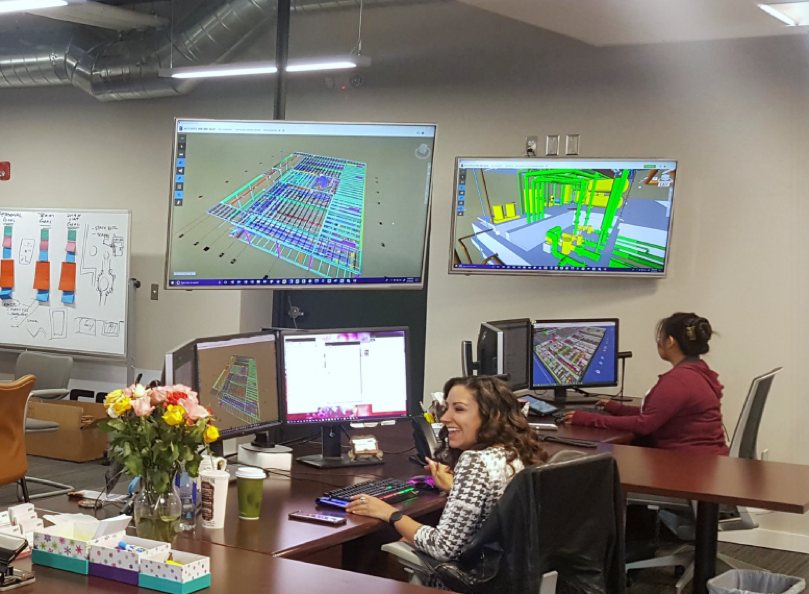
Digital tools support project visualization, clash detection, and data management. Engineers use BIM software to ensure consistency between design intent and construction outcomes.
This shift reflects growing demand for engineers who can manage both technical analysis and digital coordination responsibilities. Professionals who understand these workflows contribute more effectively to project delivery.
Ideal Career Path: FE + BIM Skills Together
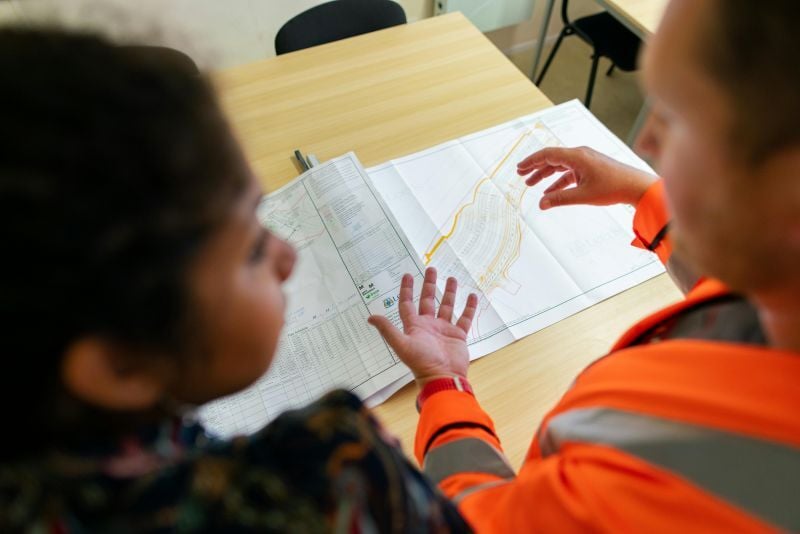
The most effective professional pathway combines FE certification with digital coordination capabilities. Engineers who develop both technical and digital competencies gain broader career opportunities.
A modern engineering career often involves the following progression:
- Passing the FE exam to establish technical credibility.
- Developing project coordination and modeling skills.
- Learning integrated design workflows.
- Understanding lifecycle infrastructure management.
This combination improves career mobility and prepares engineers for roles in digital infrastructure delivery.
Structured training programs support this transition. Novatr Program BIM Course For Civil Engineers provides practical experience with coordination workflows, modeling processes, and project delivery methods used in the industry.
Programs such as BIM Professional Course For Civil Engineers focus on applied learning through project-based instruction, workflow simulations, and real-world infrastructure scenarios. The course teaches model-based coordination, digital project delivery, and collaboration practices used in modern engineering environments.