



Why Civil Engineering Career Paths Are Changing in the U.S.?
Civil engineering careers have traditionally followed predictable structures. Engineers specialized in structural design, transportation, water resources, or construction management within clearly defined professional tracks. Today, this structure is expanding.
Several factors are contributing to this change:
- Infrastructure projects now involve large multidisciplinary teams working simultaneously.
- Digital coordination tools are replacing isolated design workflows.
- Sustainability and performance requirements are influencing design decisions.
- Model-based delivery is reshaping project documentation and execution.
These developments are creating alternative career paths for civil engineers beyond traditional design roles. Professionals now work in areas such as digital construction coordination, infrastructure modeling, project information management, and lifecycle asset planning.
As the profession continues to evolve, engineers must understand how licensing, certifications, and emerging technologies shape long-term career opportunities.
Traditional Career Route: Degree → FE → PE

The conventional professional pathway still forms the foundation of civil engineering careers in the United States. This route establishes credibility, technical authority, and regulatory responsibility.
The process usually includes:
- Earning an accredited civil engineering degree.
- Passing the fundamental of engineering exam to become an Engineer-in-Training (EIT).
- Gaining supervised professional experience.
- Obtaining a professional engineer certification through the Principles and Practice of Engineering exam.
This pathway ensures engineers meet safety standards and demonstrate competence in design and analysis. Licensed professionals are authorized to approve engineering plans, supervise projects, and take legal responsibility for infrastructure work.
The traditional route provides strong technical grounding, but it primarily focuses on analytical and regulatory skills. Modern projects, however, increasingly require additional competencies related to coordination, modeling, and digital workflows.
As a result, engineers are combining professional licensing with new technical capabilities to remain competitive in evolving project environments.
Where Certifications Like LEED Fit In?
Beyond licensing, certifications help engineers specialize and demonstrate expertise in specific areas. One widely recognized example is LEED certification, which focuses on sustainable design and environmental performance.
Certifications support career development by:
- Demonstrating knowledge of specialized practices.
- Supporting compliance with environmental regulations.
- Improving project efficiency and sustainability outcomes.
- Enhancing professional credibility.
Sustainability-focused credentials are particularly valuable in infrastructure projects where environmental impact and resource efficiency influence decision-making.
Certifications complement the traditional licensing route, but they typically focus on domain expertise rather than project coordination or digital workflows. As infrastructure delivery becomes more integrated, engineers increasingly need skills that connect design, and execution.
The Missing Link: BIM in Modern Civil Engineering
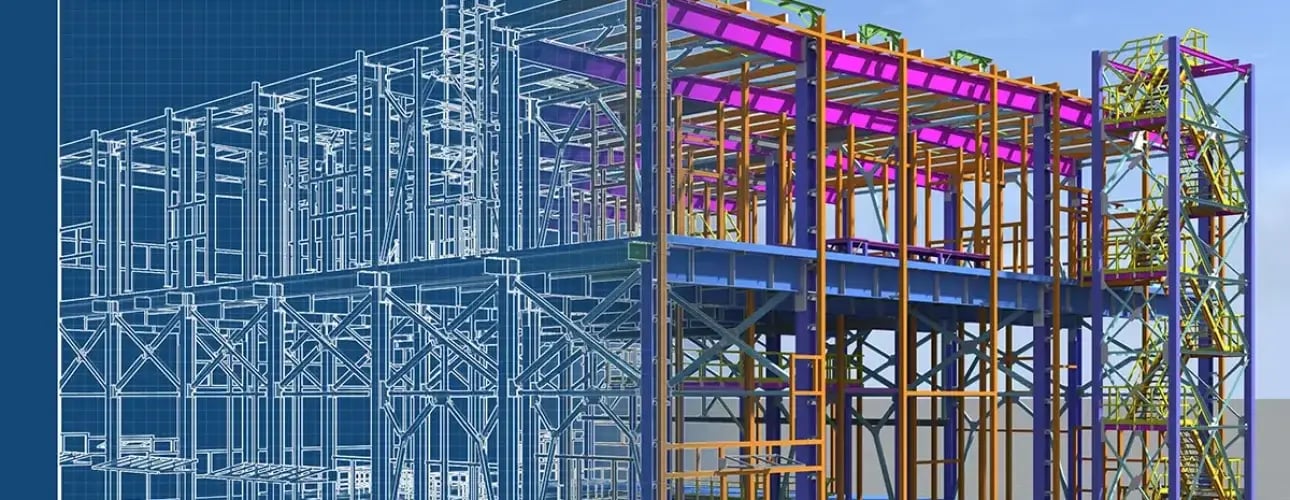
While licenses validate technical competence and certifications support specialization, BIM in civil engineering connects design decisions with real-world project execution.
Building Information Modeling creates digital representations of infrastructure assets that integrate geometry, data, and construction logic. These models support collaboration across engineering, fabrication, and construction teams.
To understand its impact, here is how BIM supports engineering workflows in practice:
- It enables coordinated design environments where multiple disciplines work on shared models.
- It improves the visualization of complex infrastructure systems.
- It supports clash detection and reduces construction conflicts.
- It connects structural analysis with fabrication and site execution.
- It enhances communication across project stakeholders.
Modern infrastructure projects increasingly rely on BIM software to manage project information and coordination at scale. Engineers use these tools to ensure consistency between design intent and construction outcomes.
This integration explains why digital modeling skills are becoming central to contemporary engineering roles. BIM connects technical analysis, project coordination, and construction planning into a unified workflow.
As infrastructure delivery continues evolving, BIM skills are becoming essential rather than optional for civil engineers.
Career Paths With vs Without BIM Skills
The presence or absence of digital coordination skills significantly influences available career opportunities. Engineers with BIM expertise often access roles focused on integrated project delivery, while traditional roles focus primarily on analysis and documentation.
The following comparison shows the main differences:
|
Career Dimension |
Without BIM Skills |
With BIM Skills |
|
Design Work |
2D drawings and isolated calculations |
Model-based design coordination |
|
Project Role |
Discipline-specific engineer |
Multidisciplinary coordinator |
|
Collaboration |
Sequential workflow |
Real-time collaboration |
|
Tools Used |
Traditional analysis tools |
Advanced BIM software |
|
Career Growth |
Limited to traditional roles |
Expanded digital infrastructure roles |
|
Project Impact |
Local design tasks |
Lifecycle project involvement |
This comparison demonstrates how alternative career paths for civil engineers often emerge through digital capabilities. Engineers who understand integrated workflows contribute to planning, coordination, and execution processes beyond traditional design roles.
Digital competencies expand career mobility and support long-term professional development within infrastructure programs.
How Civil Engineers Can Future-Proof Their Careers?

As infrastructure delivery evolves, engineers must build skills that support both technical analysis and project coordination. Developing expertise in digital workflows helps professionals remain relevant in changing project environments.
Main strategies include:
- Strengthening understanding of model-based design processes.
- Learning advanced coordination tools.
- Developing interdisciplinary collaboration skills.
- Understanding lifecycle infrastructure management.
Structured learning programs provide practical exposure to these skills. A BIM course for civil engineers introduces model-based coordination, project workflows, and digital infrastructure processes used in contemporary projects.
Programs such as BIM focus on applied learning through industry-relevant tools, workflow simulations, and real-world project scenarios. The course covers model-based coordination methods, infrastructure workflows, and digital delivery practices aligned with current engineering requirements.
The program emphasizes practical application rather than theoretical instruction, helping engineers develop skills used across design, coordination, and construction environments. Participants gain experience working with integrated workflows that reflect modern infrastructure projects.
Developing these competencies enables engineers to adapt to evolving project requirements and maintain long-term career growth within the profession.