


How Is AI Changing Traditional BIM Workflows and Responsibilities?
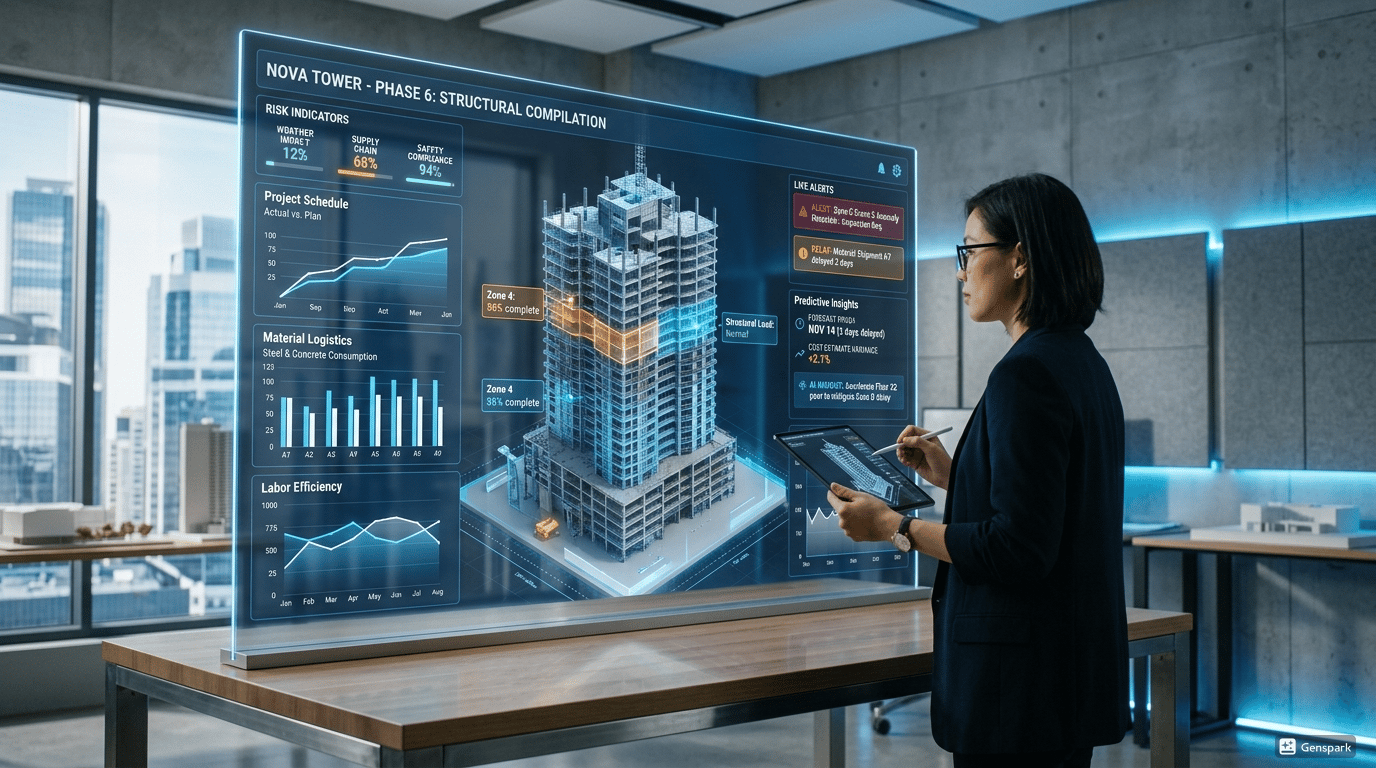
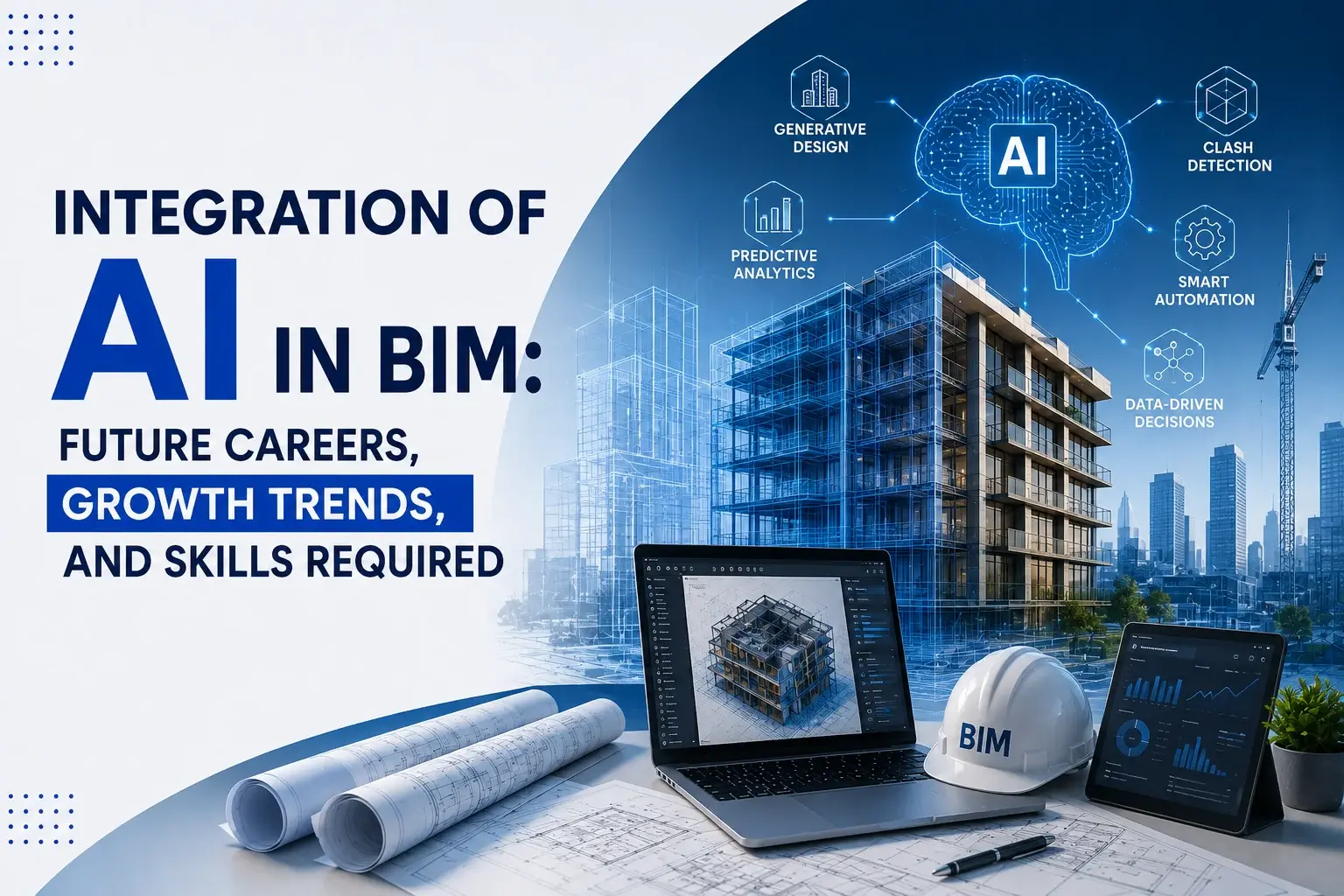
AI is enhancing the design and construction technology domain to become more intuitive. Let’s explore how this is challenging traditional AEC operations:
Faster Modelling: Using AI in BIM, design inputs can be processed to create model objects, layouts, and variations more quickly. This reduces the time spent on repetitive modelling and allows professionals to focus more on design development.
Better Coordination: Information from different disciplines can be simultaneously analysed to identify clashes, inconsistencies, and dependencies. Teams can therefore resolve coordination issues earlier and avoid unnecessary rework with the help of AI.
Streamlined Documentation: AI can extract, organise, and convert project data into relevant documentation with minimal manual intervention. This makes it easier to maintain consistency across drawings, schedules, and other project deliverables.
Advanced Analysis: Large volumes of BIM data can be assessed to understand factors such as energy performance, material use, costs, and constructability. Professionals can use these AI-backed insights to evaluate design options more efficiently.
Informed Decision-Making: Instead of relying entirely on manual analysis, teams can use AI to compare alternatives and identify potential issues before they affect the project. This makes BIM a more powerful tool for planning and decision-making.
Which BIM Tasks Are Being Automated, and How Is This Changing Professional Responsibilities?
AI in architecture and construction is automating routine BIM processes, allowing professionals to spend more time on tasks that require expertise, judgement, and creative problem-solving. Here’s how:
Model Creation: Repetitive elements such as walls, doors, windows, and other 3D components can be generated based on predefined parameters and design inputs. This speeds up the initial modelling process and reduces the amount of manual work involved.
Clash Detection: Rather than manually reviewing multiple models, AI-powered systems can scan them for spatial conflicts and flag potential clashes. BIM professionals can then focus on evaluating these issues and determining the most practical solutions.
Documentation: Drawing sheets, schedules, and other project documents can be generated or updated from model data with greater efficiency. This minimises repetitive documentation work while helping teams maintain consistency across project deliverables.
Quantity Takeoffs: AI in BIM can be used to extract precise quantities of materials and building components without manually measuring every element. Professionals can spend more time reviewing quantities, validating estimates, and making informed cost decisions.
Data Management: Large BIM datasets can be sorted, classified, and analysed automatically, making project information easier to organise and retrieve. This allows practitioners to shift from simply managing data to interpreting it and extracting useful insights.
As routine design and build tasks become automated, the scope of work for AEC professionals will shift towards coordination, design optimisation, quality control, and problem-solving.
How Are AI and Automation Creating New BIM Roles and Skill Requirements?
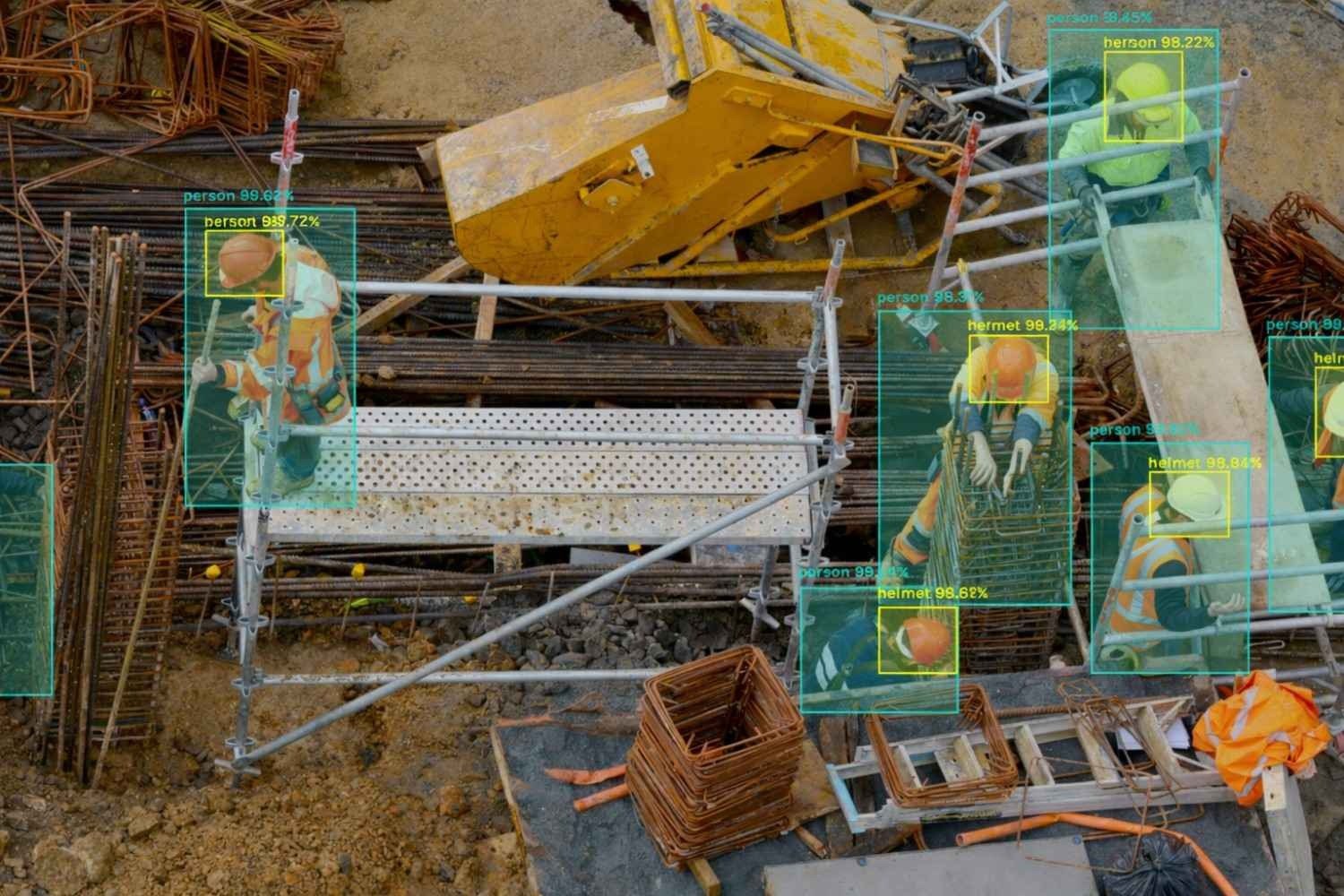
AI is ushering in a new range of BIM careers that didn’t exist a decade ago. Let’s explore these new roles, their responsibilities, and skills required:
Emerging BIM Roles
BIM Automation Specialists: These professionals build automated workflows for repetitive modelling, documentation, coordination, and data-related tasks. They combine BIM expertise with scripting and automation tools to improve project efficiency.
VDC Professionals: Virtual Design and Construction (VDC) specialists use AI in BIM to plan and optimise construction before work begins on-site. With AI construction technology entering these workflows, VDC roles are becoming increasingly focused on simulation, coordination, constructability, and data-driven decision-making.
Computational Designers: These professionals use algorithms, parametric modelling, and computational methods to explore design possibilities and solve complex project challenges. Their work sits at the intersection of design, technology, and automation.
BIM Data Specialists: As BIM models become more information-rich, professionals who can structure, analyse, and interpret this data are becoming highly valuable. They help teams turn project information into actionable insights using AI in construction.
Skills Required for Future BIM Careers
BIM Expertise: A strong understanding of BIM principles, modelling standards, coordination, and project workflows remains the foundation for working with AI-enabled BIM systems.
Scripting and Automation: Knowledge of tools such as Dynamo and Python can help people create customised workflows and automate repetitive BIM processes.
Data Skills: The ability to structure, manage, analyse, and interpret AI in BIM data will become more important as projects generate larger volumes of information.
Problem-Solving: With technology taking care of mundane tasks, professionals will need to focus on identifying project challenges, evaluating solutions, and applying their knowledge to make better decisions.
Cross-Disciplinary Collaboration: Future BIM roles will require professionals to work across design, engineering, construction, technology, and project management teams, making communication and collaboration just as important as technical expertise.
How Can BIM Professionals Adapt to AI-Driven Career Changes?
BIM professionals can stay at the forefront of the AI revolution by strengthening their technical expertise, adapting to new tools, and developing digital construction skills. Here’s how they can do that:
-
Develop a strong foundation in BIM principles, modelling, coordination, and information management to work confidently with AI-enabled workflows.
-
Learn AI-powered tools, automation, scripting, and data technologies to reduce manual work and improve BIM processes.
-
Combine AI in BIM expertise with domain knowledge in architecture, engineering, or construction to apply emerging technologies to real project requirements.
-
Gain practical experience through multidisciplinary projects to understand how AI and automation can be applied beyond individual BIM tasks.
BIM Professional Program by Novatr offers hands-on training alongside theoretical knowledge to help learners become well-rounded professionals. Students also get the opportunity to learn BIM management, BIM coordination, and documentation; thereby preparing them to work on large-scale projects.