



List of Top Infrastructure Projects Using BIM in India 2026
India’s infrastructure ecosystem includes several large-scale developments where BIM is actively applied. These projects demonstrate how digital workflows are improving accuracy, coordination, and project delivery.
To better understand how BIM is implemented in real-world scenarios, the following BIM project examples highlight its application across major infrastructure projects:
1. Nagpur Metro Rail Project
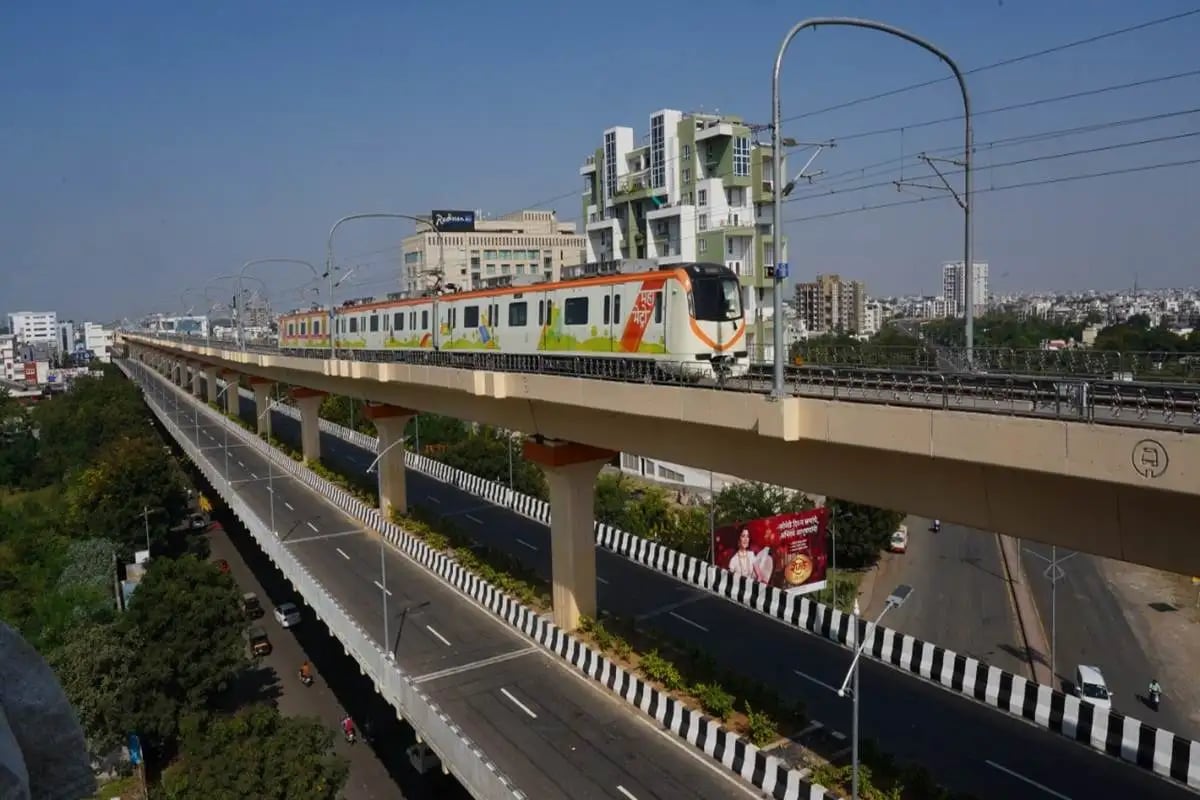
The Nagpur Metro Rail Project is using BIM to develop detailed 3D models of stations, tracks, and support systems.
This enables engineers to coordinate across disciplines and reduce design conflicts. A structured BIM project workflow is helping teams manage underground and elevated sections efficiently.
For example, BIM is being used to visualize station layouts, optimize passenger flow, and improve safety planning. It also supports clash detection across systems, reducing rework during construction. This ensures smoother execution and improved coordination between contractors.
2. Chenab Railway Bridge

The Chenab Railway Bridge used BIM for structural modeling and performance analysis due to its complex design and challenging terrain.
Engineers applied BIM tools to simulate load conditions, assess structural behavior, and ensure stability under extreme conditions. This improved safety and reduced risk during construction.
This project highlights the benefits of BIM in handling complex engineering challenges where precision and coordination are critical. It also helped optimize construction methods in difficult environmental conditions.
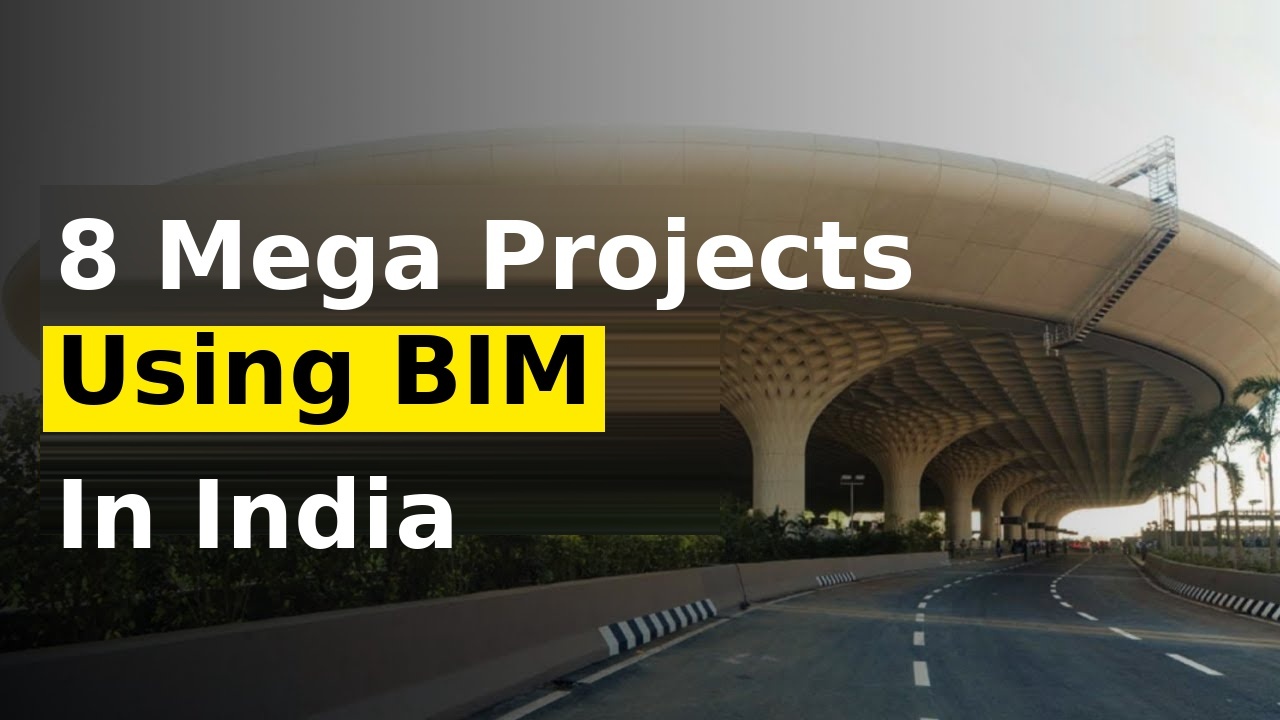
3. Chhatrapati Shivaji Maharaj International Airport Terminal 2

This project used BIM to coordinate architectural, structural, and MEP systems within a unified digital model.
BIM enabled early identification of design conflicts, reducing rework and improving construction efficiency. It also supported facility management after completion.
This remains one of the most recognized BIM construction projects, demonstrating how digital tools improve coordination in large and complex infrastructure systems. It also contributed to better operational planning post-construction.
4. Ahmedabad Metro Rail Project
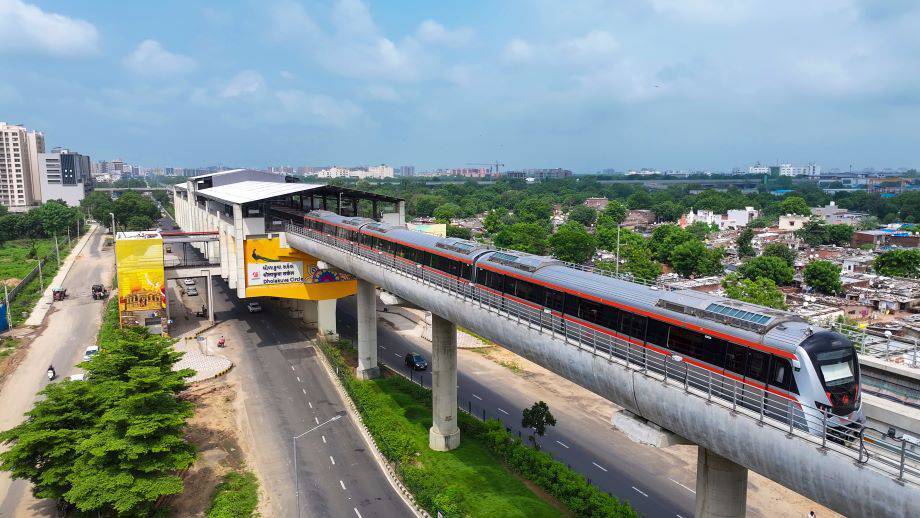
The Ahmedabad Metro Rail Project is using BIM for route planning, station design, and construction coordination.
Engineers are leveraging BIM to integrate multiple systems and improve communication between stakeholders. This reduces delays and enhances project efficiency.
BIM is also supporting better visualization of project components, allowing teams to make informed decisions during design and execution stages. This improves overall project quality and consistency.
5. Chennai Metro Rail Phase II
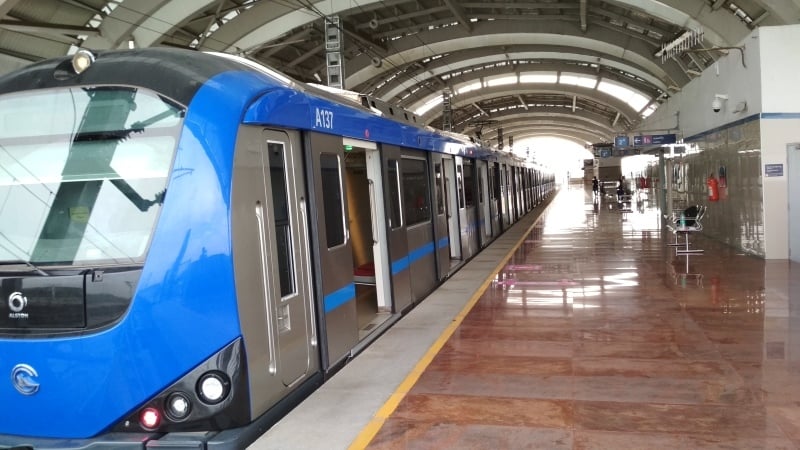
Chennai Metro Rail Phase II is using BIM extensively for design coordination and project management across multiple corridors.
BIM is being applied to manage underground tunnels and elevated tracks while ensuring alignment accuracy. It also supports collaboration between different project teams.
For instance, BIM tools are helping simulate construction timelines and identify potential risks before execution begins. This reduces uncertainties and improves planning accuracy.
6. Surat Diamond Bourse
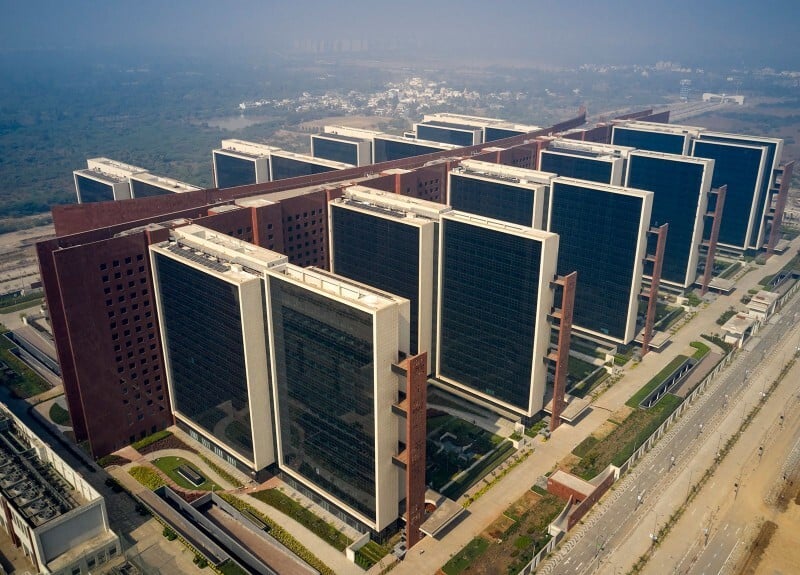
The Surat Diamond Bourse is using BIM for architectural planning, structural coordination, and facility management.
BIM enables engineers to manage large building components within a single model, improving coordination and reducing errors.
A well-defined bim project workflow is ensuring efficient planning, execution, and long-term maintenance of this large commercial complex. It also supports energy optimization and efficient space utilization.
7. Delhi–Mumbai Industrial Corridor
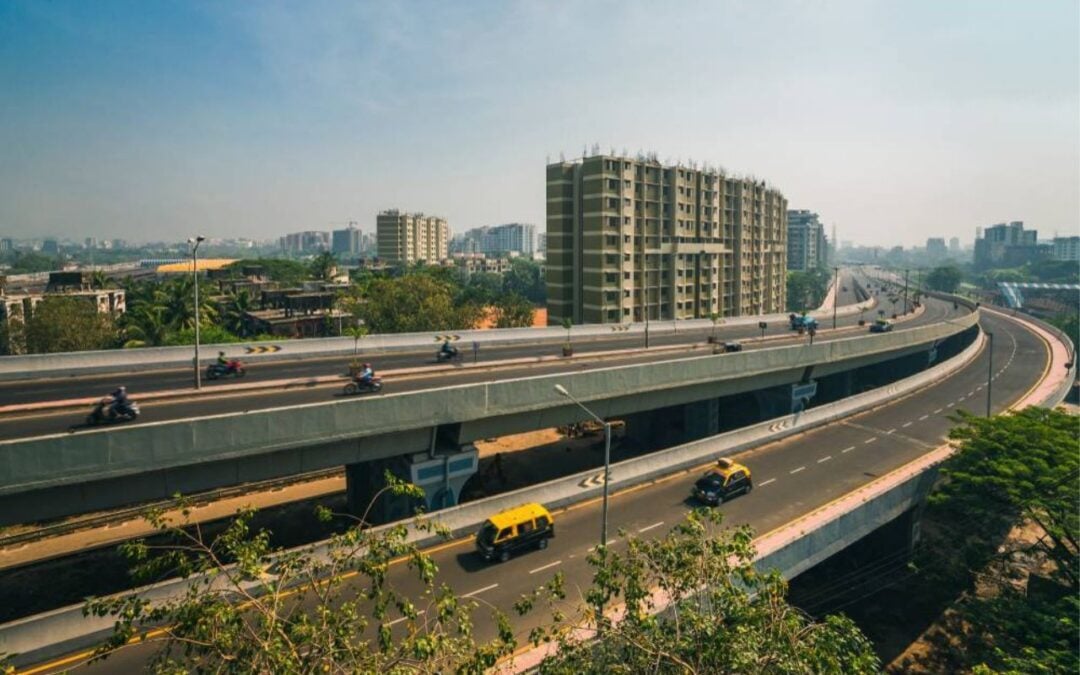
The Delhi–Mumbai Industrial Corridor is using BIM to manage large-scale infrastructure planning and coordination across multiple regions.
This project is also connected to major transport developments such as the high speed rail corridor, showing how different infrastructure systems are integrated.
BIM is being used to optimize logistics, manage resources, and improve coordination across multiple stakeholders, ensuring consistent project delivery across regions. It also supports phased development planning.
8. Chennai–Bangalore Industrial Corridor

The Chennai–Bangalore Industrial Corridor is using BIM to plan infrastructure such as roads, utilities, and industrial zones.
Engineers are applying BIM tools to simulate different project scenarios, optimize resource allocation, and improve efficiency.
BIM is also supporting long-term planning by enabling better infrastructure integration and scalability across industrial zones. This ensures adaptability for future expansion.
These developments represent strong BIM project examples, showing how digital construction methods are transforming infrastructure planning and delivery.
Together, these projects highlight how BIM is becoming a core part of modern infrastructure development across India.
How Can BIM Benefit Engineering Careers?

The growing adoption of BIM is creating strong opportunities for engineers across infrastructure sectors. The use of BIM in infrastructure is increasing the demand for professionals with digital expertise and functional knowledge.
To understand how BIM impacts careers, consider the following key advantages:
- Expanding Job Roles: Engineers can work as BIM Engineers, BIM Coordinators, BIM Managers, or Digital Construction Specialists, depending on their skills and experience.
- Higher Salary Growth: Professionals with BIM expertise often see salary increases due to their ability to manage complex projects and improve efficiency. Companies value professionals who can reduce costs and improve project timelines.
- Global Career Opportunities: BIM skills are widely recognized, allowing engineers to work on international projects and collaborate with global teams.
- Continuous Upskilling: Engineers need to stay updated with evolving tools and workflows. Learning advanced software and understanding project coordination is essential for long-term growth.
For example, professionals working on BIM construction projects often manage coordination between multiple disciplines, making their role critical to project success.
As organizations increasingly adopt BIM, professionals with strong technical and coordination skills are becoming key contributors to project delivery and decision-making. This increases long-term career stability and growth potential.
Building a strong career in BIM requires practical exposure to real-world workflows and tools. Engineers need to understand how to apply BIM across different stages of a project, from design to execution.
To develop these skills, structured training plays an important role. The Novatr BIM Professional Course for Civil Engineers is a project-based program that prepares you to plan, design, and manage construction projects using 12+ industry software and essential BIM plugins.
You will learn how to work with Autodesk Revit, Navisworks, construction cloud and key plugins like DiRoots.One, pyRevit, EF-Tools, ProSheets, Issue and Model Checker for Revit to improve automation, accuracy, and project efficiency.
This approach ensures engineers gain hands-on experience and develop skills aligned with modern infrastructure requirements. As the number of BIM projects in India continues to grow, professionals with strong BIM expertise will have a clear advantage in securing high-value roles.