



What Is COBie And Why Is It Important In MEP BIM Workflows?
COBie, or Construction-Operations Building Information Exchange, is a structured data format for capturing building information. By supporting BIM interoperability, COBie ensures information can be shared accurately across software platforms throughout a building’s lifecycle.
Here’s why COBie plays a crucial role in MEP BIM workflows:
-
It organizes MEP asset information systematically, ensuring accurate tracking, accessibility, and reference throughout project lifecycles efficiently.
-
Provides a consistent framework for team collaboration, showing clearly how COBie improves data exchange in construction projects.
-
Reduces the errors and miscommunication between design, installation, and handover, which promotes the smooth project implementation and quality management.
-
Stores keep all extensive operations information on all assets, allowing for easy maintenance, management of the lifecycle, and utilization to make reasonable decisions about the facility plan.
-
Enables it to be able to work more easily between design, construction and facility teams and enhances the overall workflow and project coordination.
-
Provides quantifiable benefits of using COBie for MEP and facility management, saving time, cost and accurate data.
How Does COBie Simplify Data Exchange And Facility Management In MEP Projects?
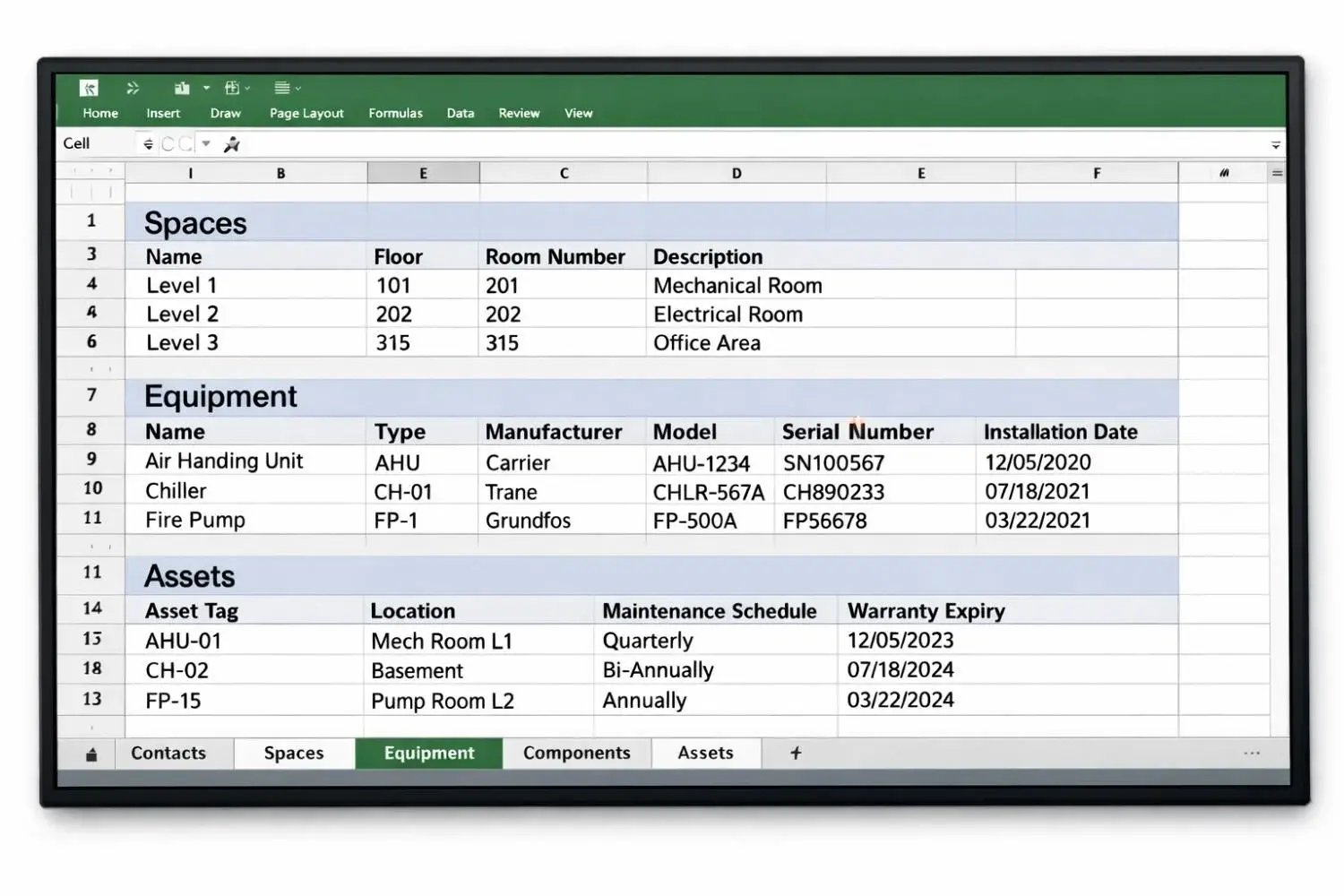
COBie provides a structured framework for organizing building information, enabling easier coordination between design, construction, and operations teams. It standardizes asset and system data, making it accessible for multiple stakeholders. By maintaining consistent records, it streamlines project workflows and enhances how COBie supports building handover and operations, ensuring teams have the information they need.
Here’s how COBie simplifies data exchange and facility management in MEP projects:
- Ensures all MEP asset data is organized systematically, reducing errors and improving clarity across project teams.
- Provides a unified format for information exchange, enabling smoother collaboration between contractors, designers, and facility managers.
- Facilitates real-time updates to models, allowing changes in design or installation to propagate efficiently across systems.
- Supports better maintenance planning by providing accurate, accessible records for each asset and system component.
- Integrates with digital tools to create COBie-enabled BIM workflows for smart buildings, enhancing operational efficiency and data accessibility.
- Reduces duplication of effort during handover, ensuring facility teams receive verified and complete asset information for operations.
What Key Information Is Captured And Shared Using COBie Standards?
COBie captures essential, structured building information, including assets, systems, components, locations, maintenance, and documentation. This organization provides clear, accessible records for teams and demonstrates how COBie ensures consistent and accurate MEP data, supporting operational efficiency, reliable handover, and effective facility management across all project stages.
Here are the key data fields included in COBie for MEP systems:
-
Asset and Component Information: Captures equipment identifiers, manufacturer, model, serial numbers, installation dates, and classification for MEP components.
-
Spatial and Location Data: Includes floor, room, and zone information, mapping assets precisely to their physical locations.
-
Maintenance and Warranty Data: Tracks preventive maintenance, warranty periods, service providers, and links to operational manuals or O&M guides.
-
Project and Contract Details: Records stakeholder contacts, roles, submittals, permits, and other project-related documentation.
-
Relationships and Connections: Defines how components relate within systems, supporting functional understanding and operational coordination.
-
Data Delivery Formats: Available in spreadsheet (.xlsx/.csv) or IFC formats, enabling seamless import into CMMS or facility management software for operational use.
Did You Know?
In 2026, about 65% of global construction projects now integrate BIM workflows, reflecting widespread use of digital modeling and data standards across design, construction, and operations.
How Does COBie Integration Enhance Collaboration Between Design And FM Teams?
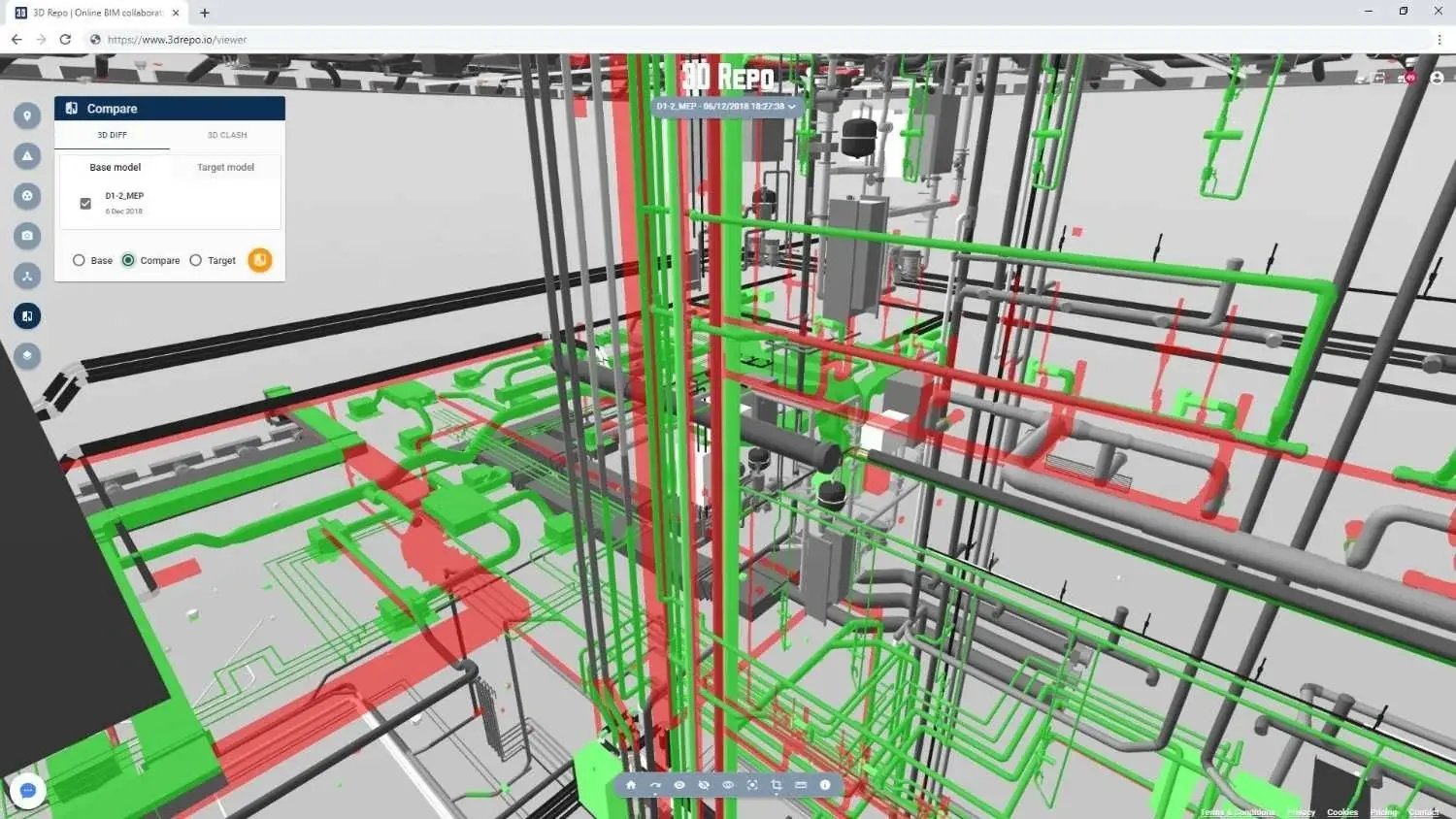
COBie integration streamlines communication between project and facility management (FM) teams by maintaining structured, accessible data throughout the building lifecycle. It enables consistent information sharing, reduces misunderstandings, and supports coordinated decision-making. This approach ensures smooth project execution while improving operational readiness and demonstrates effective use of MEP software for integrated workflows.
Here’s how COBie integration enhances collaboration between design and FM teams:
-
Provides a shared data environment where designers and facility managers can access the same asset information simultaneously.
-
Limits the occurrence of miscommunication through standardized documentation of the parts, systems and operation specifics among the teams.
-
Allows early detection of design conflicts that allow FM teams to contribute during the planning phases with the use of COBie integration in Revit.
-
Enhances effectiveness of handover by ensuring that all the documentation, maintenance schedules, and manuals are properly attached to the assets.
-
Maintains constant communication on the operations, allowing FM teams to calculate maintenance and updates on the model data.
Which Tools And BIM Platforms Support COBie Implementation Effectively?

COBie implementation relies on BIM platforms that enable structured data management, model coordination, and standardized asset documentation. Popular tools support export, validation, and integration workflows. Professionals can strengthen their expertise in platforms through programs like the BIM Course for MEP Engineers by Novatr. Such environments enhance collaboration, efficiency, and accuracy across project lifecycles, demonstrating Revit to COBie export workflow for MEP engineers.
Here are key BIM tools and platforms suitable for effective COBie implementation:
-
Autodesk Revit: Widely used for modeling, it supports COBie export and structured MEP workflows.
-
Navisworks: Enables model coordination, clash detection, and review of asset information for accuracy.
-
Bentley OpenBuildings Designer: Supports detailed building modeling and creation of asset-compliant deliverables.
-
Solibri Model Checker: Validates and inspects BIM models to ensure data completeness and standard compliance.
-
Autodesk Construction Cloud: Provides centralized collaboration, model coordination, and integrated data management for all stakeholders.
.png)
.png)