



What Is AI-Driven Predictive Maintenance In MEP Systems?
AI-driven predictive maintenance uses machine learning and data analysis to identify early signs of equipment problems before failure occurs. It reviews system performance patterns to determine when service is actually needed. In predictive maintenance HVAC environments, this process detects unusual behavior and supports timely, data-informed maintenance planning.
AI-driven predictive maintenance in MEP systems works through the following core functions:
-
Continuous data tracking that records temperature, pressure, vibration, and load changes for ongoing evaluation.
-
Pattern analysis that compares current system behavior with historical data to identify abnormal performance.
-
Centralized coordination within smart maintenance MEP systems to organize operational data.
-
Risk-based scoring that estimates the likelihood of component failure.
-
Structured integration into HVAC maintenance programs to replace reactive repair cycles.
-
Alignment with MEP engineering standards to maintain consistent asset documentation and tracking.
How Does AI Analyze MEP Data To Predict Failures Before They Occur?
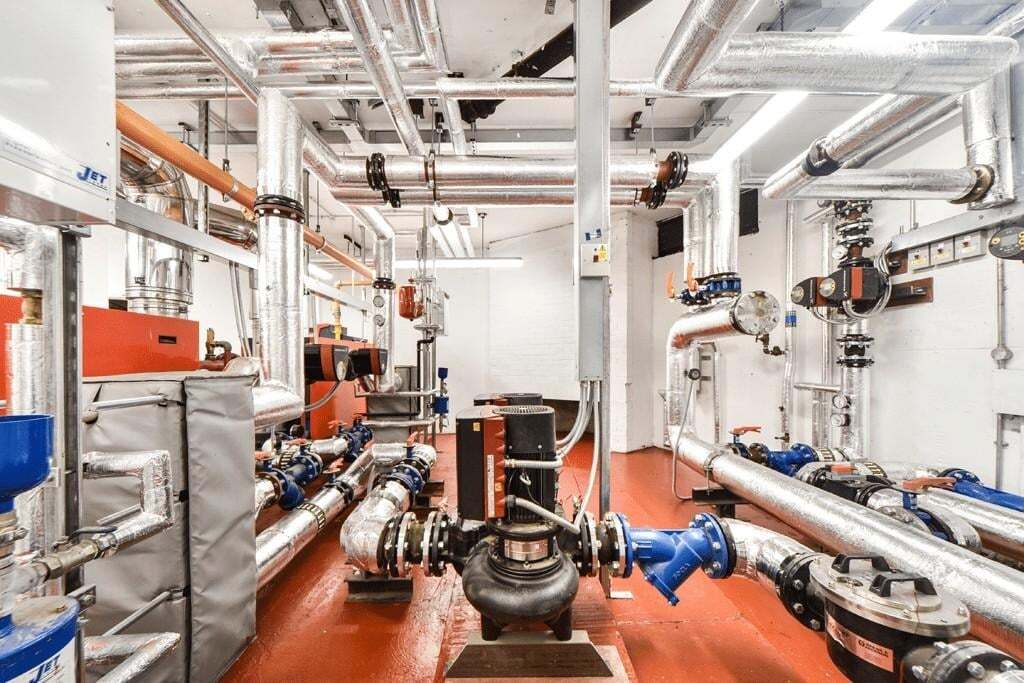
AI evaluates operating data from connected building systems to identify early warning signals hidden in performance trends. It studies changes in behavior over time rather than isolated readings. In predictive maintenance use cases in buildings, this process highlights developing risks before faults interrupt normal system operation.
AI analyzes MEP data using the following analytical methods:
-
Sensor inputs capture operational signals such as airflow variation, motor load fluctuation, and pressure imbalance across connected assets.
-
Data conditioning refines raw readings by filtering inconsistencies and structuring them for accurate evaluation.
-
Integrated system analysis supports real-time monitoring for MEP equipment, ensuring performance deviations are detected as they emerge.
-
Behavioral modeling compares live operating conditions against established system performance profiles.
-
Degradation assessment measures gradual efficiency decline across repeated operating cycles.
-
Forecast modeling estimates potential fault timing based on measurable performance shifts.
Which MEP Assets Benefit Most From Predictive Maintenance Models?
Predictive maintenance models focus on equipment that operates continuously and shows measurable performance changes over time. Assets with motors, compressors, or electrical loads tend to display early warning signals before failure. In smart buildings, connected systems provide steady operational data that helps identify which components gain the most value from predictive analysis.
The following MEP assets benefit most from predictive maintenance models:
-
Air handling units that operate daily and show airflow or motor performance variation over time.
-
Chillers and cooling systems that experience a gradual efficiency decline under changing load conditions.
-
Electrical panels and transformers where heat buildup may indicate internal component stress.
-
Pump systems that regulate pressure and flow and show imbalance or irregular operation during continuous use.
-
Elevators and escalators that display performance shifts after repeated operational cycles.
-
Boilers and heating equipment that clearly show the benefits of predictive maintenance in MEP through measurable efficiency improvement over time.
Did You Know?
As of early 2026, 65% of maintenance teams worldwide plan to adopt AI–based tools for predictive maintenance, highlighting rapid interest in proactive equipment monitoring and failure prediction in facility operations.
How Does Predictive Maintenance Reduce Downtime, Costs, And Energy Loss?

Predictive maintenance uses system data to guide service decisions based on actual equipment condition. It helps teams respond to measurable performance changes instead of unexpected shutdowns. This structured oversight explains how AI extends MEP system lifespan while keeping operations stable and maintenance planning controlled.
Predictive maintenance reduces downtime, costs, and energy loss in the following ways:
-
Identifies equipment strain early so service can be scheduled without disrupting operations.
-
Reduces emergency repair spending by minimizing urgent labor and last-minute part sourcing.
-
Improves energy efficiency by correcting systems that operate outside normal performance ranges.
-
Limits secondary damage by addressing issues before they affect connected components.
-
Optimizes part usage by servicing equipment based on condition rather than fixed timelines.
-
Strengthens cost planning through clearer visibility into maintenance needs and energy trends.
What Data, Sensors, And Platforms Are Required To Implement AI-Based Maintenance?
AI-based maintenance depends on accurate data collection and structured system connectivity. It requires consistent input from operational equipment to support meaningful analysis. Digital infrastructure, including integrated monitoring tools and MEP software, ensures that collected data is organized and accessible for automated evaluation and informed maintenance planning.
Implementing AI-based maintenance requires the following data sources, sensors, and platforms:
-
Temperature, vibration, pressure, and electrical load sensors that capture real operating conditions from equipment.
-
Smart meters that record energy usage patterns across mechanical and electrical systems.
-
Control system data from building management systems that provide equipment status and runtime history.
-
Cloud or on-premise data platforms that store and process high-volume operational records.
-
Machine learning engines that analyze trends and generate predictive insights from collected datasets.
-
Secure network infrastructure that enables stable data transmission between field devices and analytics platforms.
What Challenges And Limitations Should MEP Teams Prepare For?
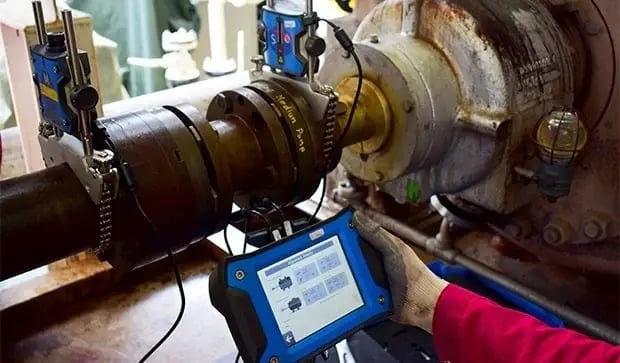
Adopting AI-based predictive maintenance introduces operational and technical complexities that require careful planning. System integration, data accuracy, and workforce readiness directly affect performance outcomes. MEP teams must evaluate internal processes, digital capability, and long-term resource commitments before fully relying on automated maintenance analytics.
MEP teams should prepare for the following challenges and limitations:
-
Data quality gaps caused by inconsistent sensor calibration or incomplete historical records.
-
Integration difficulties when connecting legacy equipment with modern analytics platforms.
-
Initial investment costs related to sensors, infrastructure upgrades, and system configuration.
-
Skill shortages within maintenance teams unfamiliar with data interpretation tools.
-
Cybersecurity risks associated with increased network connectivity and remote access.
.png)
.png)
