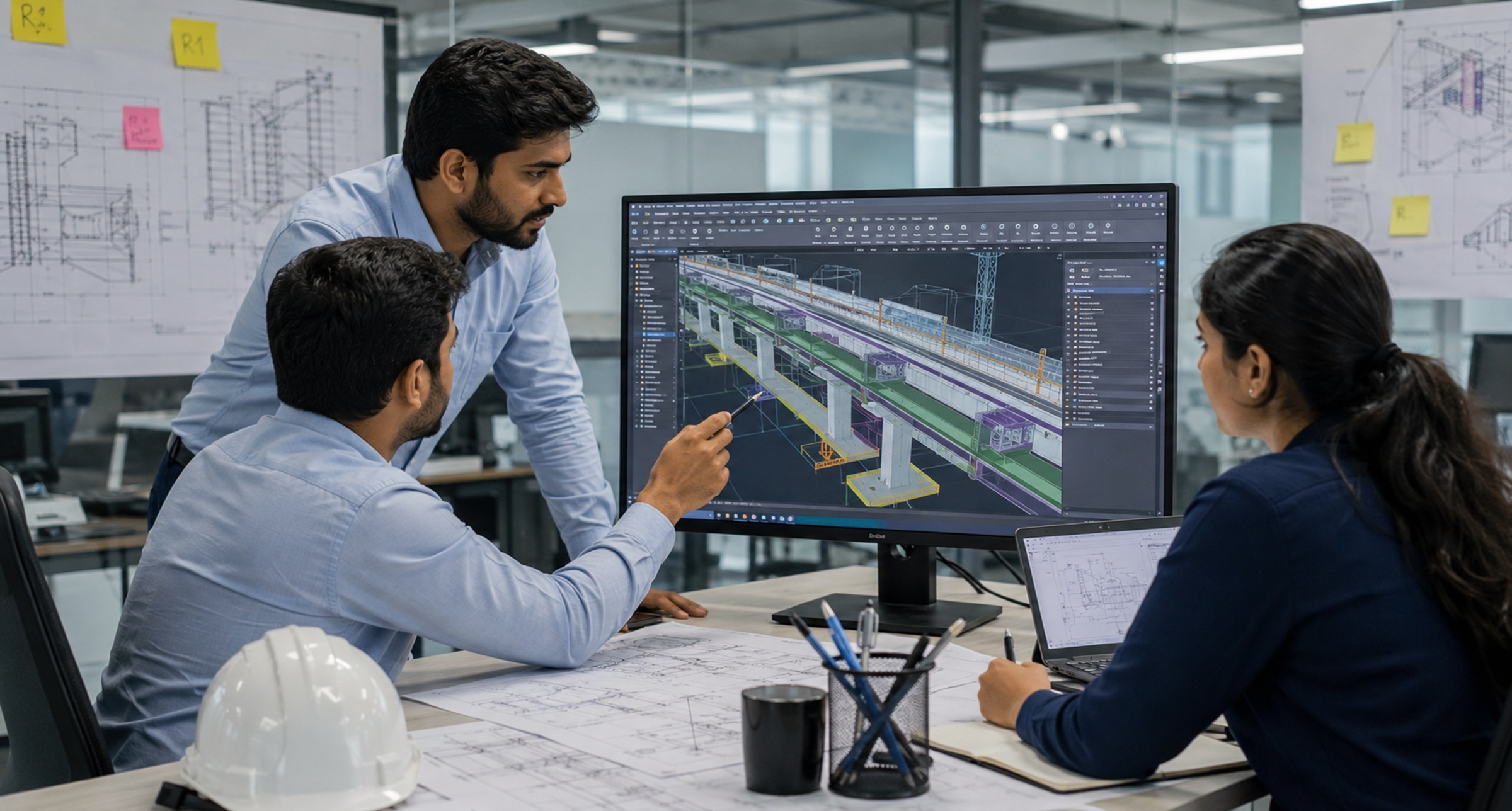




Why Is Clash Detection Critical in Real BIM Projects?
Building construction and infrastructure projects involve multiple stakeholders. BIM coordination becomes crucial in such times. It allows professionals to work on a shared source of information and align their decisions. Let’s explore how the key benefits of this:
1. Early Conflict Identification
Clash detection uncovers design conflicts between architectural, structural, and MEP models. This reduces the likelihood of on-site surprises.
2. Improved Coordination
It enables different disciplines to review coordinated models, resolve interdependencies, and work together more effectively throughout the project lifecycle.
3. Reduced Rework and Delays
Clash detection during the design stage minimises revisions, construction disruptions, and costly rework during execution.
4. Better Resource Utilisation
Resolving conflicts before they reach the site prevents undue material wastage, labour inefficiencies, and equipment downtime.
5. Faster Decision-Making
Clear visualisation of design conflicts allows project teams to evaluate solutions quickly and make informed decisions with greater confidence.
6. Higher Project Quality
A coordinated BIM model improves design accuracy and helps ensure the completed building performs as intended.
7. Greater Cost Predictability
Timely addressing issues reduces unforeseen expenses and supports better control over project budgets.
About the Kuwait International Airport Project
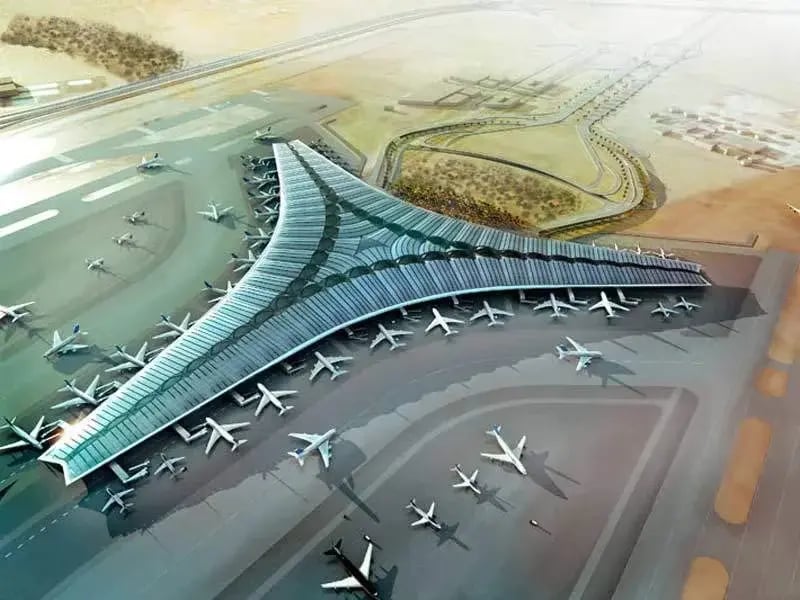
AECOM, a renowned infrastructure company, tasked with managing design coordination on Terminal 2 of the Kuwait International Airport, set to be inaugurated in late 2026. The 7,50,000 sq.m. terminal is designed by Foster + Partners with an approach rooted in local culture and climate-responsive architecture.
The terminal has a tetrapod-like symmetrical floor plan with each departure wing extending 1.2 kilometres outwards from the central atrium. AECOM’s BIM manager is leading the project coordination through various phases, working with teams across multiple tools and locations.
What Challenges Did the Project Team Face?
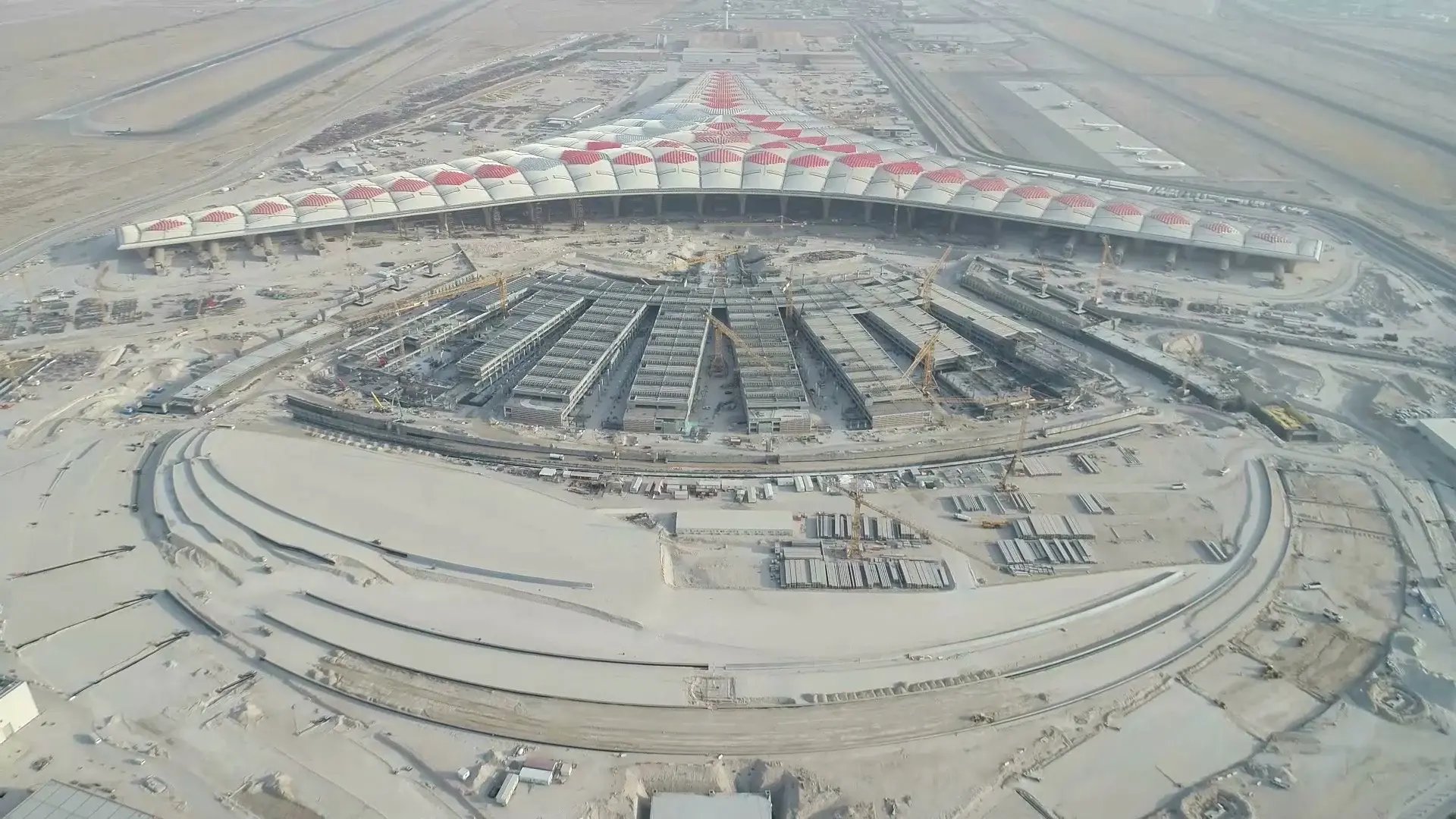
Terminal 2 of the Kuwait International Airport is one of the largest and most intricate airport terminals in the world. Here are the key issues that emerged during construction management and engineering workflows.
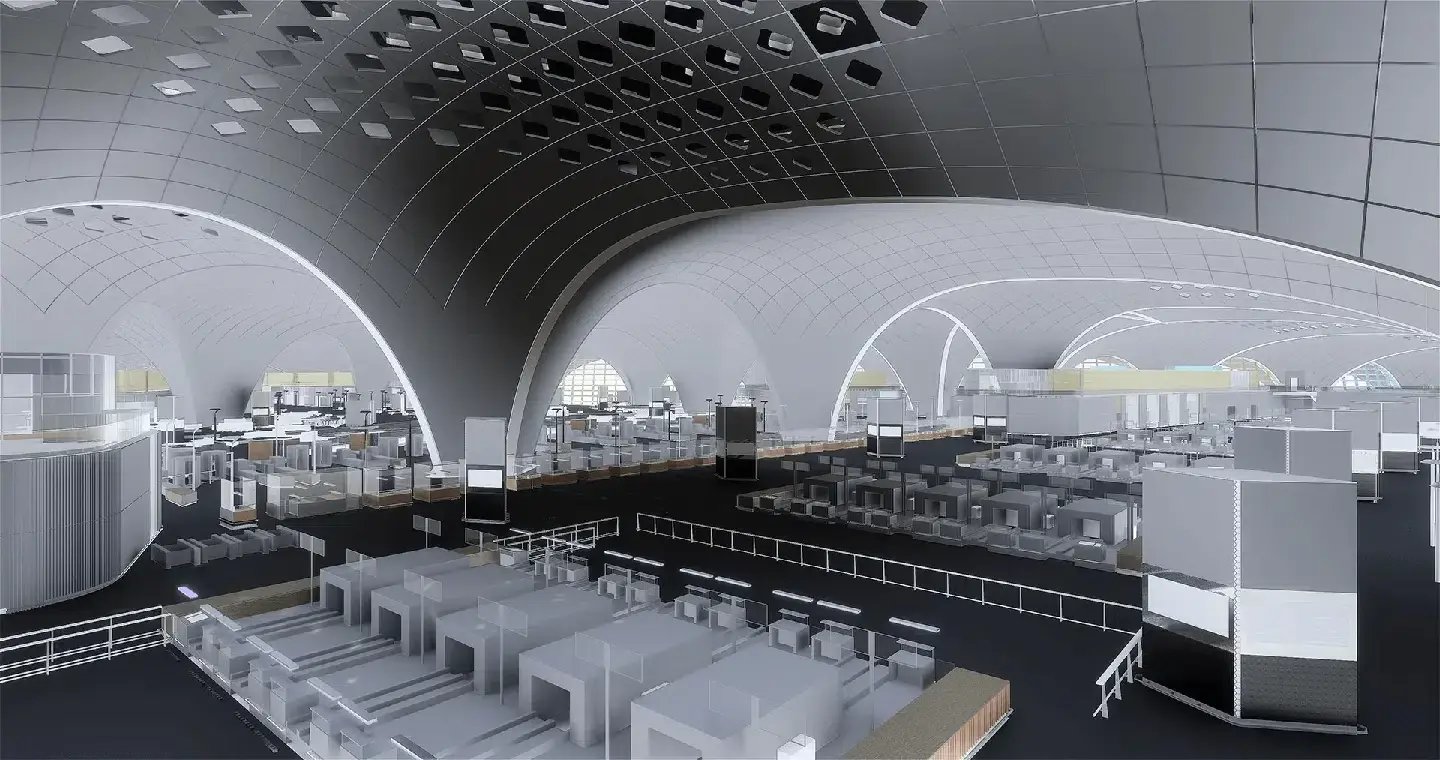
Complex BIM Models: The scale of the terminal generated massive BIM models containing millions of building components. Managing these models while maintaining performance and accuracy became increasingly challenging.
Multiple Stakeholders: Architects, structural engineers, MEP consultants, contractors, and project managers were all contributing to the project. Keeping every discipline aligned and ensuring that design updates reached the right teams required a coordinated workflow.
Growing Number of Design Clashes: As the design evolved, the number of clashes between building systems increased. Identifying, assigning, and tracking these issues manually became time-consuming and difficult.
Distributed Project Teams: Project teams were spread across different offices and locations. Maintaining BIM communication, assigning responsibilities, and monitoring the status of each issue demanded a more collaborative approach.
Strict Quality and Documentation Requirements: Every design change had to be reviewed, documented, and tracked throughout the digital construction project lifecycle. This required a workflow that offered traceability while ensuring compliance with the project's quality standards.
How Did Clash Detection Prevent Rework in the Project?
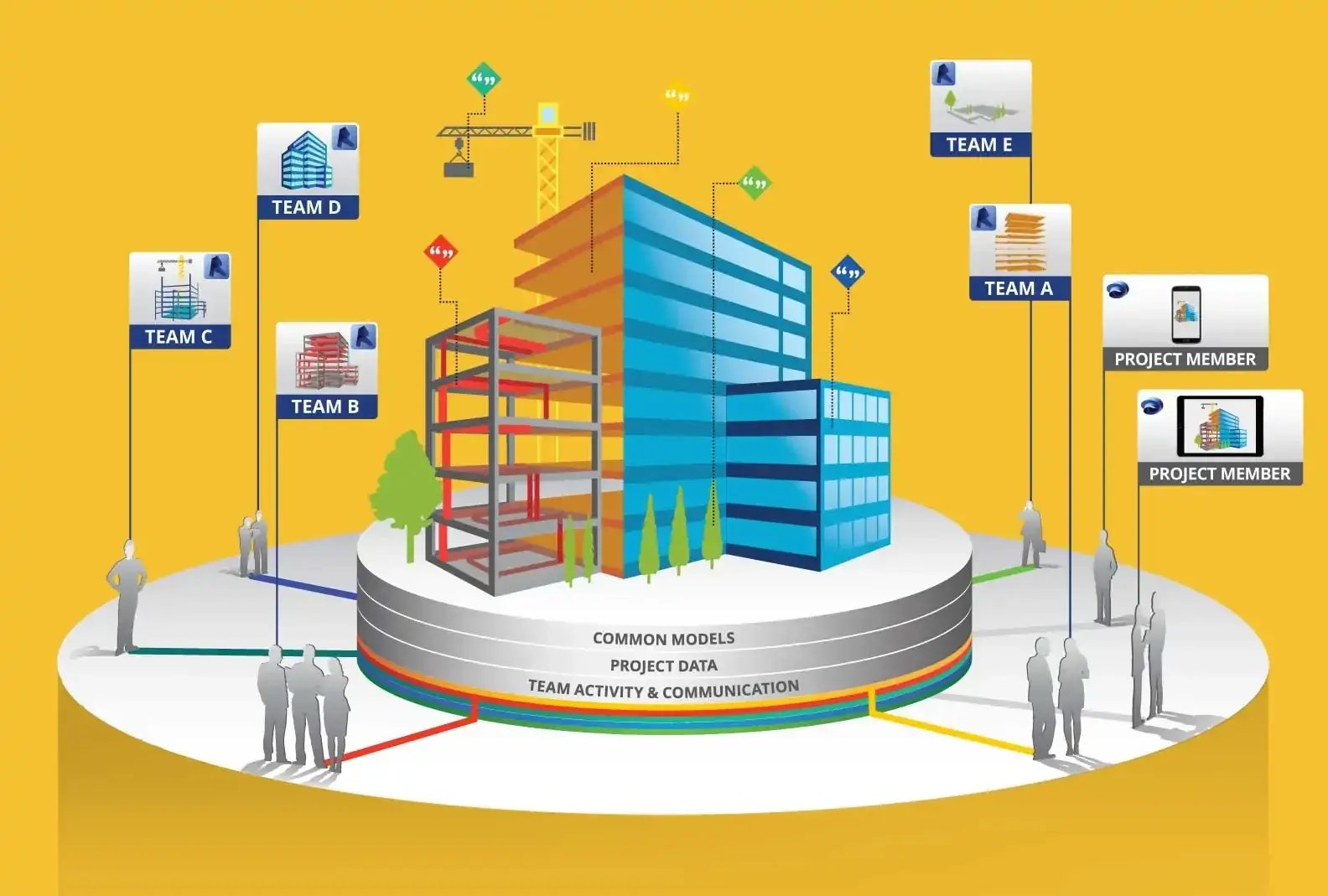
To streamline clash detection, AECOM implemented a centralised issue management workflow using BIMcollab. Rather than relying solely on a clash detection software, the team created a Common Data Environment (CDE) where every issue could be assigned, tracked, and resolved efficiently. Here's how this approach helped prevent rework:
Centralised Issue Management: All clashes were stored in a single cloud-based environment, giving architects, engineers, contractors, and project managers access to the same information. This eliminated fragmented communication and ensured everyone worked with the latest issue status.
Integration with Multiple BIM Tools: Teams continued working in their preferred software such as Revit, Navisworks, Tekla Structures, and Rhino. Using BIMcollab, AECOM employed BCF managers to connect these platforms for model validation. This allowed issues to be viewed and resolved without switching between applications.
Structured Clash Resolution: More than 100,000 clashes and design issues were organised, assigned, and monitored throughout the project. This structured workflow ensured that every conflict had a clear owner, reducing the chances of unresolved issues reaching the construction site.
Improved Collaboration: Designers, BIM coordinators, project managers, and reviewers could participate in the coordination process, even if they did not use BIM authoring software. This improved communication and accelerated decision-making across globally segregated teams.
Complete Issue Traceability: Every clash detection, comment, design revision, and approval was recorded throughout the project lifecycle. Maintaining this audit trail made it easier to verify design decisions, monitor progress, and meet the project's construction quality.
What Were the Project Outcomes?
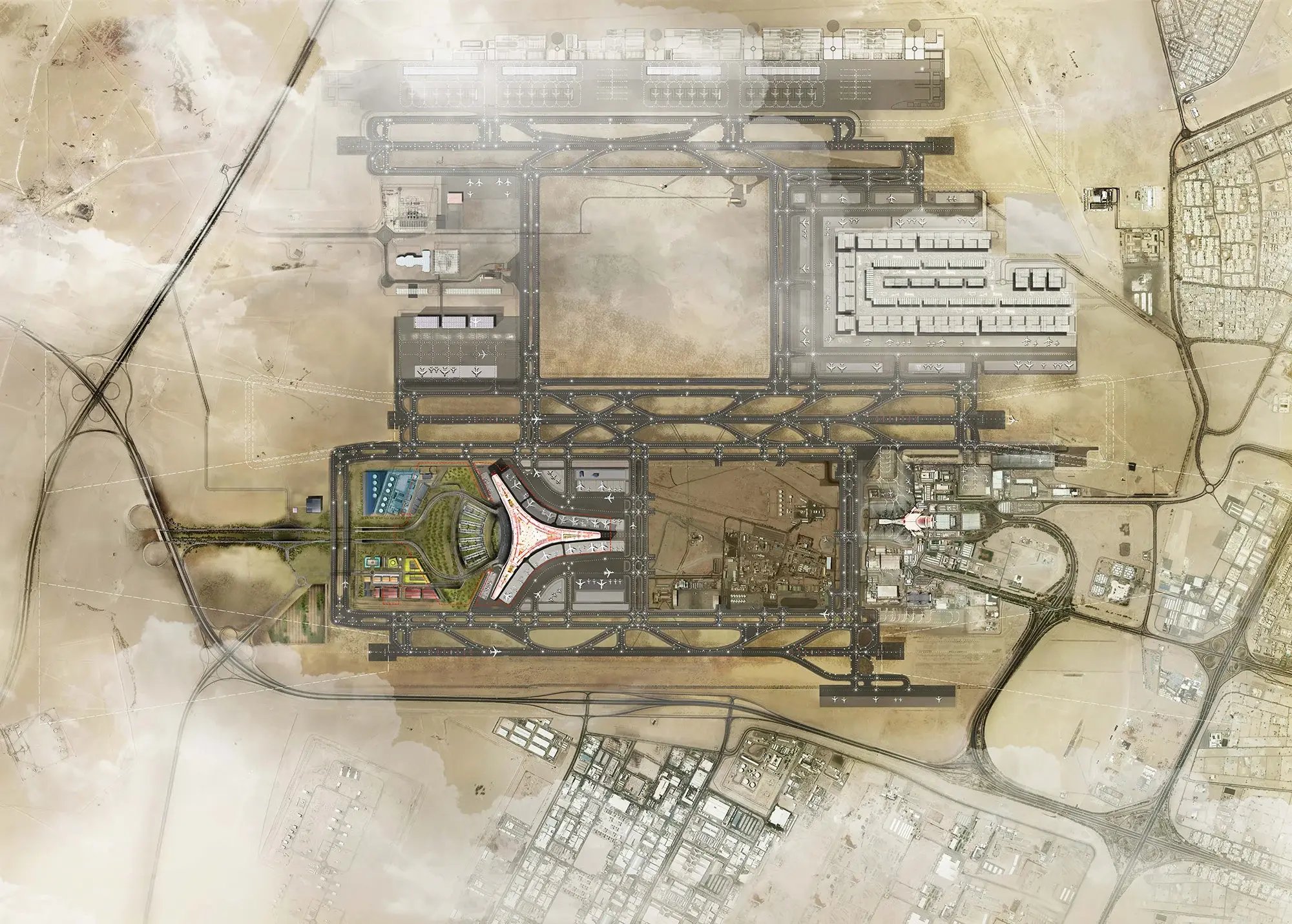
Implementing a centralized BIM coordination workflow enabled AECOM to manage one of the most complex airport projects with conviction and control. By streamlining issue management and improving collaboration, the project achieved several notable outcomes:
Predictable Coordination: Instead of dealing with an ever-growing list of unresolved clashes, the team established a structured workflow for resolving issues. This made coordination more organised and reduced uncertainty during the design phase.
Scalable Issue Management: The team successfully managed a plethora of clashes without compromising visibility or accountability. Using BIMcollab’s construction technology, each issue could be tracked from identification to resolution, regardless of its complexity.
Seamless Global Collaboration: With teams working across different offices and disciplines, the platform created a common environment for communication. This ensured that everyone had access to the latest information and could work together more efficiently.
Transparent Decision-Making: Every comment, revision, and design decision was recorded, providing a complete audit trail throughout the project lifecycle. This improved accountability while helping the team meet stringent quality assurance needs.
More Time for Value-Driven Work: Since repetitive coordination tasks were simplified in the virtual construction process, architects and civil engineers could dedicate more time in design development, technical problem-solving, and other value-driven activities.
What Lessons Can BIM Teams Apply to Future Projects?
Early Coordination: Identifying and resolving design conflicts prior to construction initiation helps minimise rework, delays, and unexpected project costs.
Centralised Issue Management: Storing clashes, comments, and design updates in a shared environment ensures every stakeholder has access to correct project information.
Integrated Workflows: Allowing teams to coordinate across different BIM platforms improves communication without disrupting their existing workflows.
Issue Traceability: Recording every clash detection, design revision, and approval creates a transparent audit trail that strengthens quality and accountability.
Clear Ownership: Assigning responsibility for every issue ensures design conflicts are resolved promptly and do not affect downstream project activities.
Scalable Coordination: Structured BIM coordination processes enable multidisciplinary teams to manage complicated projects more efficiently as project scope and team size increase.
How Can You Learn Real-World BIM Coordination?
Mastering BIM coordination goes beyond learning software. It requires an understanding of multidisciplinary workflows, issue resolution, and collaborative project delivery. Here's how a structured BIM learning program can help:
Start with Free Resources: Explore YouTube tutorials, webinars, and blogs written by BIM communities to learn the fundamentals of BIM coordination.
Take Short Certification Courses: Enrol in beginner-friendly courses on platforms such as Coursera, LinkedIn Learning, or Autodesk to build proficiency in BIM software.
Pursue Industry-Focused BIM Programs: Comprehensive BIM certification courses such as Novatr’s BIM Professional Program cover multidisciplinary coordination, clash management, and collaborative workflows through guided projects and expert mentorship.
Apply for Internships: Practice coordinating architectural, structural, and MEP models by working live projects. Applying your skills to real scenarios is essential for comprehending coordination challenges.
Stay Updated with Industry Practices: Read BIM case studies, attend industry conferences, and engage with professional communities to learn how BIM coordination is implemented on large-scale projects.
.png)