


What Can Architects Do After Getting BIM Certified?
Many people think qualifying with a BIM certification means sitting behind a computer screen creating 3D geometry 24/7. In reality, modern BIM jobs are highly diverse and move your day-to-day tasks away from traditional line drawing into advanced digital data management.
Once you have completed your BIM training, you can easily qualify for specialized AEC careers that focus on the following key areas:
-
Data Integration: Incorporating accurate technical properties, such as material specifications, acoustic ratings, and structural limits, directly into a virtual 3D environment.
-
Design and Reality Crossovers: Moving into specialized architect jobs that actively span the creative intent of design and reality of construction.
-
Workflow Optimization: Beyond just drafting files, it is about managing the organization, and sharing building information with the whole project team.
Which BIM Roles Offer the Best Career Growth for Architects?
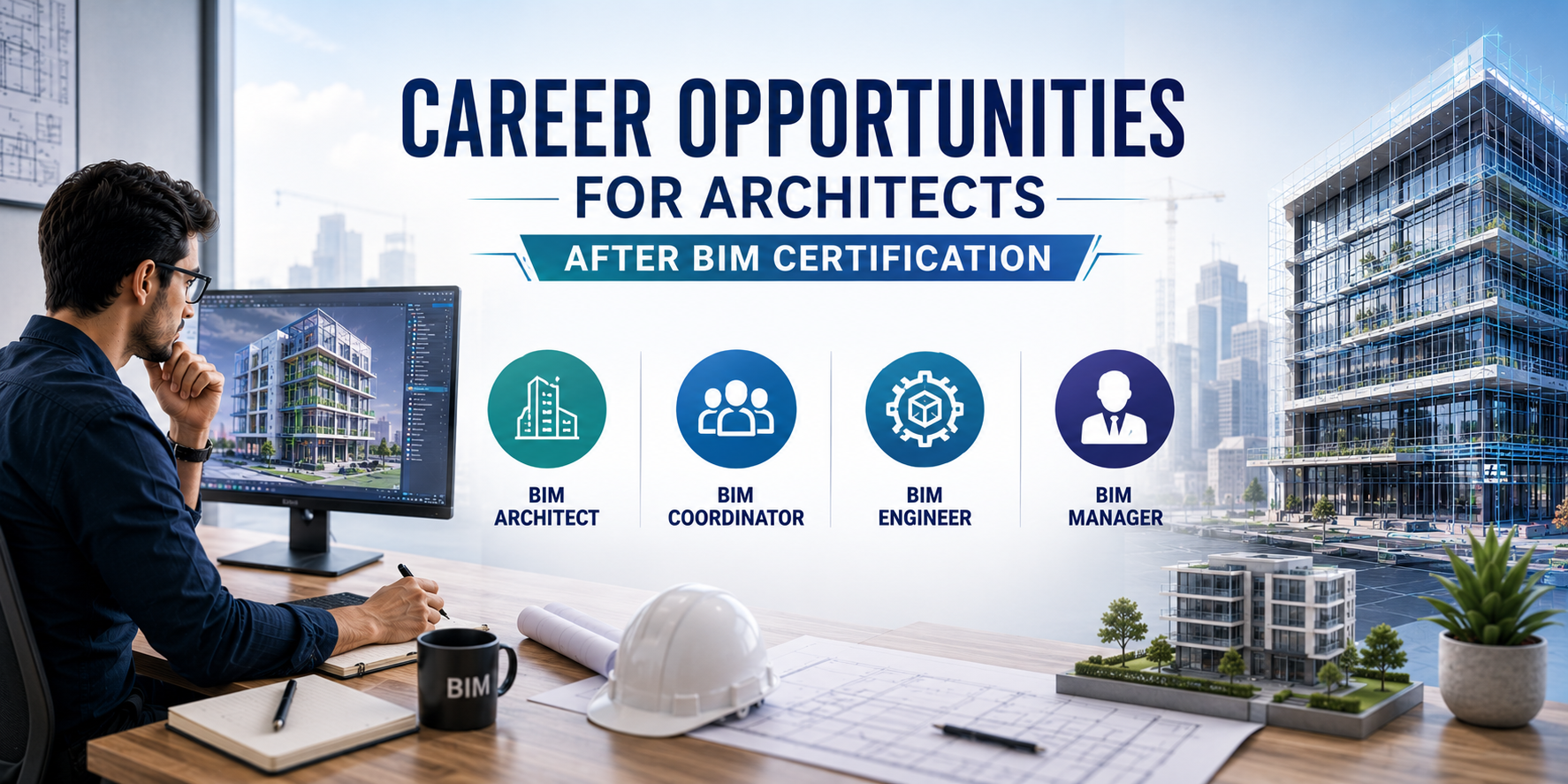
Once digital coordination skills are thrown into the mix, the trajectory of architecture careers shifts. Let's take a closer look at the common roles, typical goals, and comparison of them in the current market.
|
Job Title |
Core Focus |
Career Growth Potential |
|
BIM Architect |
Incorporating design ideas into detailed parametric 3D models. |
Moderate; a direct progression from the traditional junior designer position. |
|
BIM Coordinator |
Clash detection and cross team file management. |
High; puts you in the middle of multi-disciplinary communication. |
|
BIM Engineer |
Relationship of architectural models to complex structural and MEP site systems. |
High, very desirable to large general contractors. |
|
BIM Manager |
Establishing company-wide guidelines, policies and monitoring end-to-end digital delivery. |
Excellent: a first class executive career in modern design companies. |
How Do Architects Move from BIM Modelling to Leadership Roles?

The key to how to become a BIM manager after architecture school is to focus on managing the system rather than on the tasks. In a project ecosystem there should be a functional hierarchy which will allow us to go from a school to an executive desk.
-
The Entry Stage (BIM Modeler): You likely have just started your career as a BIM architect. In this course, you will concentrate on creating clean files, learn how to develop smart architectural families, and ensure that 2D documentation is automatically updated as the3D model evolves.
-
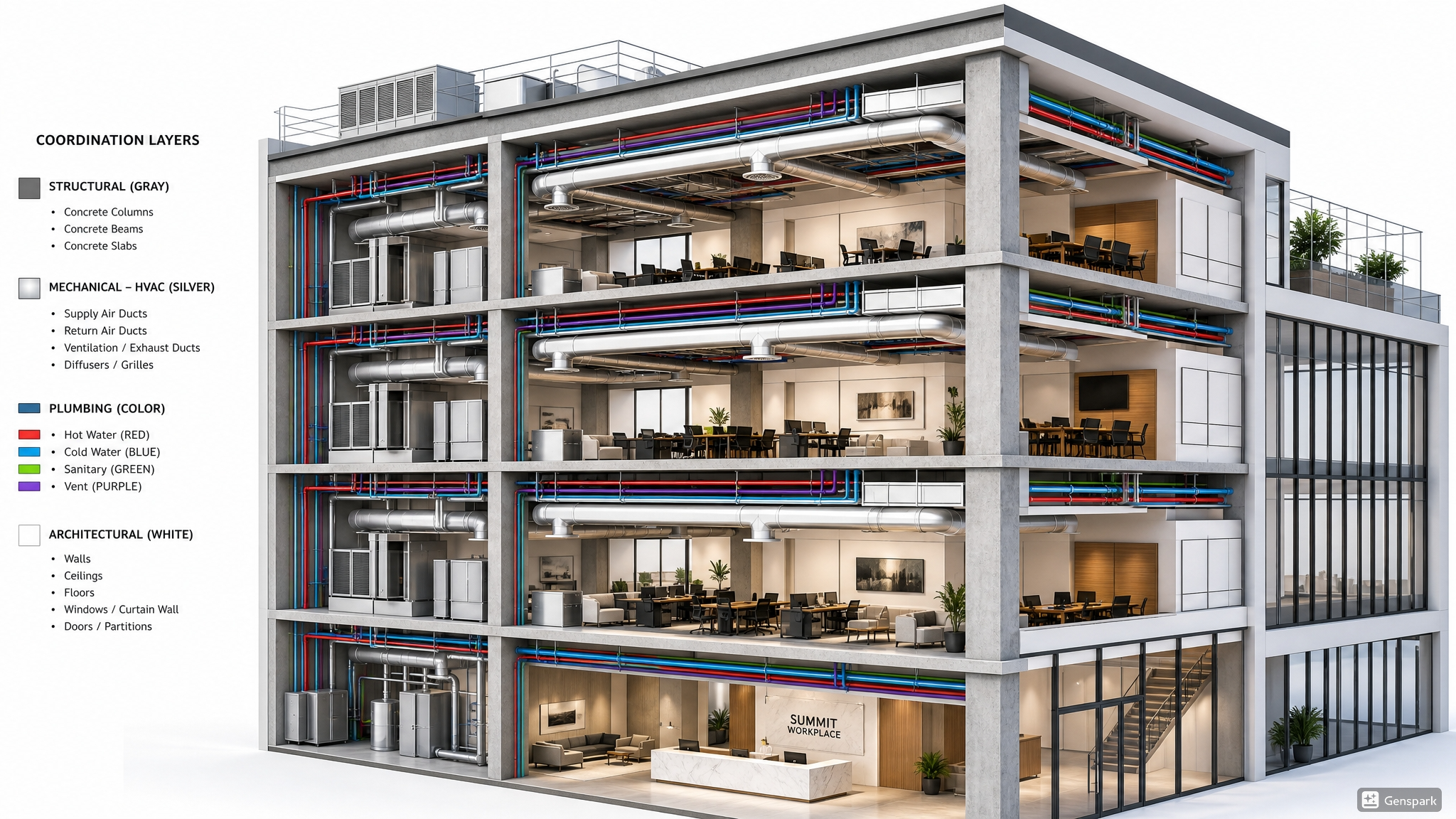
The Coordinator Stage: After mastering your modeling skills, you move on to project coordination (The Coordinator). As a BIM coordinator you don't look at your own file anymore. You conduct clash detection meetings to cross-reference structural steel and mechanical systems with the architectural design to identify design issues before installation in the field.
-
The Leadership Tier (BIM Manager): BIM management is not just about clicking buttons in software, it's about managing teams, writing execution plans, and controlling data flow between clients, engineers and builders. You are now a BIM manager, serving as a critical advisor, making sure all the firm functions as a well-oiled machine.
What Skills Help Architects Grow Faster in BIM Careers?
Growing in a BIM career requires more than software knowledge. Architects who advance quickly combine technical expertise with strong collaboration and problem-solving skills.
Technical Skills
-
Multi-Software Knowledge
Understanding tools like Revit, Navisworks, and Autodesk Construction Cloud helps architects work across the complete BIM workflow.
-
Information Management
BIM models contain valuable project data. The ability to manage quantities, materials, costs, and schedules makes professionals more effective and valuable to teams.
-
Model Coordination
Reviewing models, identifying clashes, and maintaining data accuracy are essential skills for handling complex projects.
Soft Skills
-
Problem-Solving
BIM projects often involve coordination and technical challenges. A structured approach to resolving issues helps keep projects on track.
-
Communication and Collaboration
Architects regularly work with engineers, contractors, and project managers. Clear communication helps ensure smoother project delivery.
-
Continuous Learning
As BIM, AI, and automation continue to evolve, staying updated with new tools and workflows can create more opportunities for career growth.
How Should Architects Plan Their BIM Career Journey Long-Term?
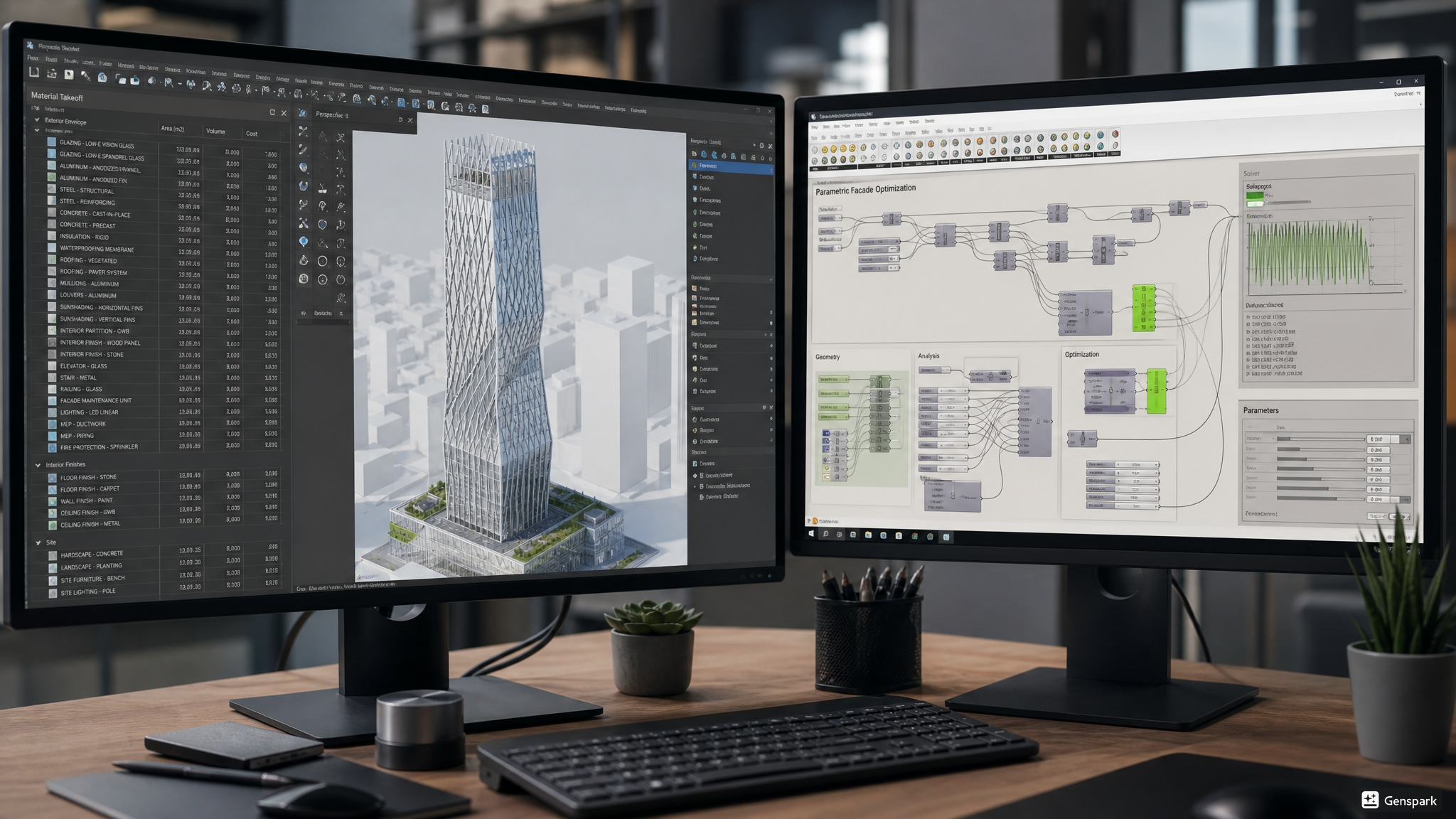
To be successful in the modern AEC, you need continuous upskilling. Structured learning pathways will make sure that you don't get into bad drafting habits that slow down massive commercial files.
For those seeking a clear path to the top, industry training programs are a good way to go. One of the best choices to consider is Novatr's BIM Professional Program. Beyond the standard software commands, this project based course covers real world coordination protocols, advanced plug-in workflows and international standards that leading global design firms seek when recruiting leadership.