


What Role Does BIM Play In Modern Project Management?
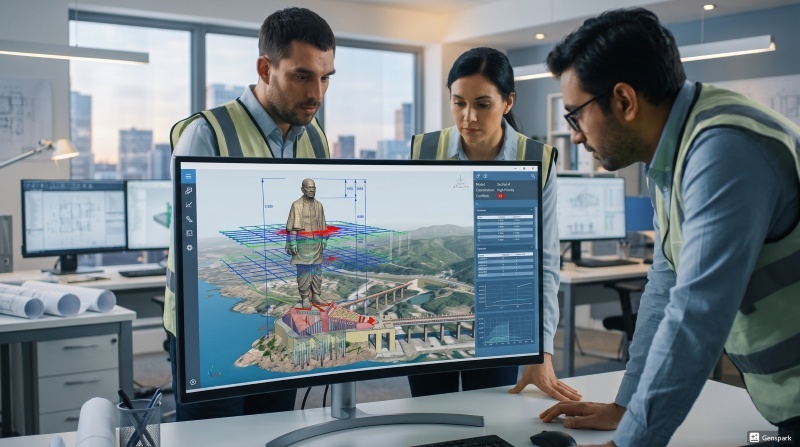
Building Information Modeling (BIM) is much more than a tool for making pretty 3D pictures of buildings. BIM is the digital information hub of a construction project in today's construction project management. It contains structural information, material inventory, cost information and time schedules and all these are updated in real time in one single file.
- It serves as a single source of truth, ensuring that everyone involved in the process – from architects to civil engineers, MEP technicians to clients – is on the same page.
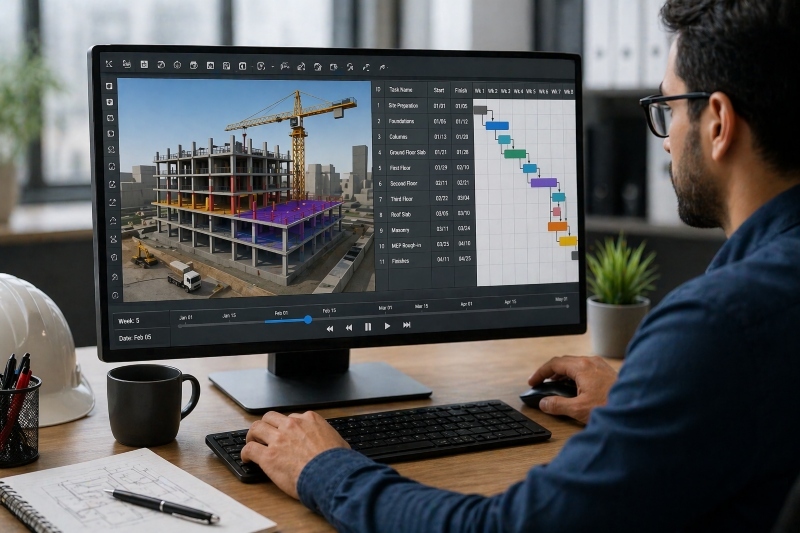
- Live Progress Tracking: The digital building model can be linked to the live time-line to visualize how the building will look at any point in time.
- ALM: The digital file remains connected long after the construction phase, assisting the building owner in building maintenance and energy management.
Why Are Companies Looking For BIM-Enabled Project Managers?
The construction industry is under more pressure than ever before for deadlines and for less profit. Coordinators are no longer the coordinators who merely pass paper around; coordinators are now leaders with practical project management skills that are backed by data.
- Improved Risk Management: Companies require managers who can simulate building sequences virtually to identify safety and logistical issues early on.
- Quicker Decision Making: Managers can get answers to site questions without having to wait days for an architect's response, when they have an organized cloud database.
- Digital Mandates: The demand for digital leadership is growing in government bodies worldwide, and they are increasingly requiring digital workflows for public infrastructure, which means that companies must have effective digital leaders if they are to secure a contract.
Which BIM Skills Help Improve Project Planning And Coordination?
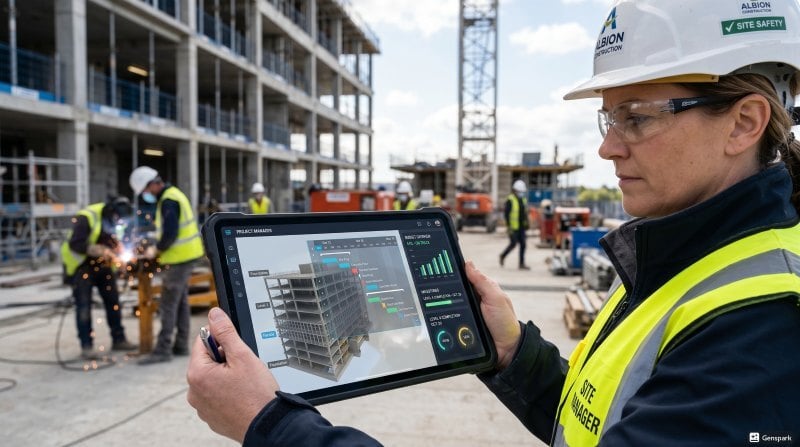
A manager must have certain practical BIM skills that are not just about opening a layout file to run a successful job site. Employers seek workers who have the ability to proactively manage data to ensure the efficient integration of different teams.
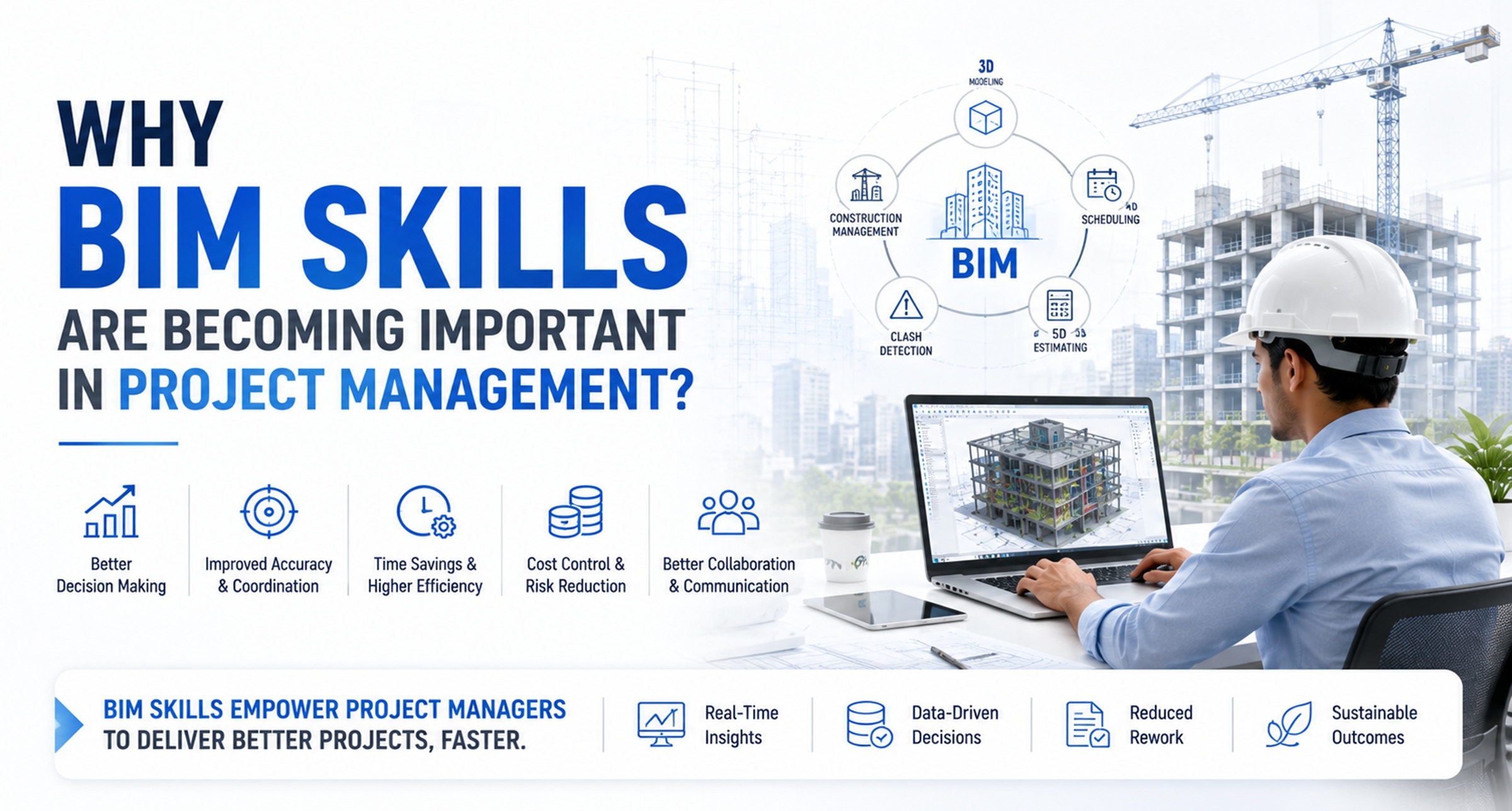
- 4D and 5D Scheduling: This means that the 3D model is connected to the project schedule (4D) and cost estimate (5D) for accurate financial and time analysis.
- Cloud Common Data Environments (CDE): Shared cloud servers help field workers and office designers always work with the same versions of the files.
- Information Standards Compliance: Structuring all building data correctly, following world-wide standards to ensure that all external subcontractors can read the files without errors.
Can BIM Reduce Delays And Construction Errors?
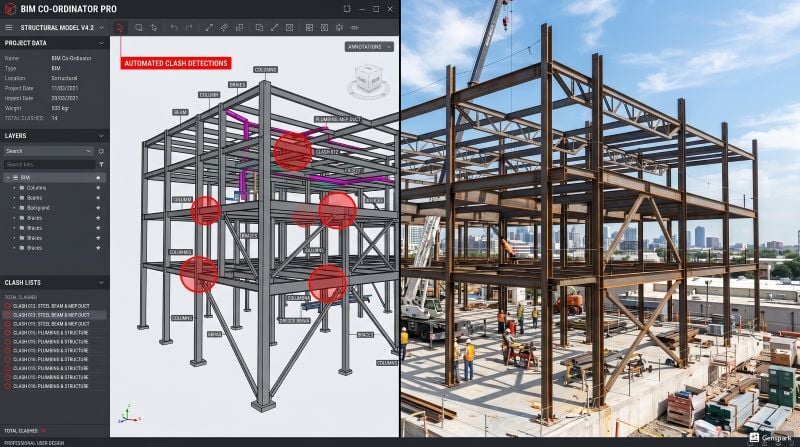
Yes, one of the best ways to prevent costly errors on a job site is to use an integrated digital process. Typically, planning results in different teams designing systems that collide when they are implemented on the ground.
- Automated Clash Detection: A process that spots structural oddities, like a water pipe running into a steel beam, months before the concrete gets placed.
- Less Change Orders: Catching mistakes early helps avoid those surprise design tweaks that would otherwise happen on site, and that tends to make the budget change.
- Precise Material Orders: Material orders are produced straight from the model, which is data-heavy, so you avoid over-ordering and material waste too.
How Can Civil Engineers Build BIM and Project Management Skills?
A digital leader must leave behind the old school system of textbooks and understand how the modern corporate office works. To make up for the gap between theory and work in the field, civil engineers need to be trained with a more practical approach in a project-based manner.
- Learn Master Toolsets: Go beyond simple drafting applications and learn to use full construction planning software and coordination systems.
- Create a Practical Portfolio: Create a concise history of your digital models, clash reports and schedules to demonstrate your skills in interviews.
- Practitioner Mentorship: Get Mentors from the “active Practitioners” in the industry who work with real site issues everyday.
Conclusion
The engineering industry is changing quickly, and traditional management approaches are no longer sufficient to land the best jobs. In order to be successful in the progression to higher paying leadership roles, you need to have a mix of traditional construction project management knowledge and modern digital execution. If you are seeking a hands-on and practical approach to learning these in-demand skills, you may want to enroll in Novatr's BIM Professional Program. This is a structured course where you get a lot of exposure to real workflows, international standards and industry-standard tools.
To explore more informative construction technology guides and educational articles, check out the resource page today.
FAQs
1. Can BIM help in project management?
Yes. This combines design, time schedules, material quantities and cost variables into one central cloud-based system which benefits project managers. This allows managers to have full visibility into the project, monitor on-site progress in real-time, facilitate team communication, and manage project risks before they become physical errors that cost the business money.
2. Which software is used for BIM-based project management?
Project managers employ a number of interconnected BIM software tools that are dependent on the task. Autodesk Navisworks and Solibri are industry standards for 3D model reviewing and design clash detection. Managers use Synchro 4D for 4D scheduling and tracking timelines, and cloud platforms such as Autodesk Construction Cloud for sharing documents daily with field teams.
3. Can freshers enter BIM project management roles?
Higher level managerial roles typically call for experience on-site, but freshers can certainly get into the game with specialized junior roles such as BIM project management assistants, track coordinators, modeling technicians, or digital data assistants. The best way for a fresher to get these competitive jobs is to have a practical portfolio to demonstrate their ability to manage real-life project data, processes, and multi-disciplinary collaboration.