
.jpg)


What is Site Construction Management?
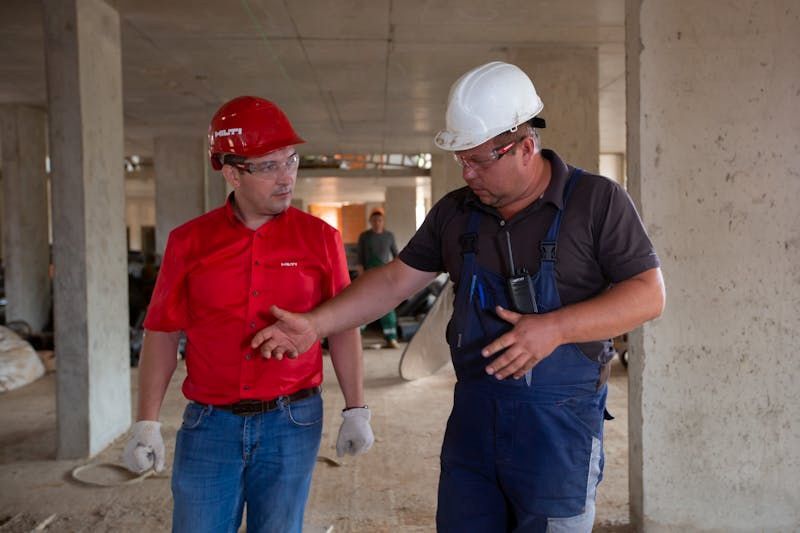
Site construction management is the process of planning, organizing, and controlling all on-site activities during a building project. It ensures that work is carried out safely, on time, and according to design specifications. This includes managing workers, materials, schedules, and equipment. Effective site management in construction helps avoid delays, cost overruns, and safety risks by keeping every part of the process aligned and efficient.
Many site manager jobs in construction require experience in planning and supervision, along with technical knowledge. In larger projects, an assistant construction site manager may support the lead manager with day-to-day responsibilities. Together, they help ensure that construction work moves forward without disruption.
What Does a Construction Site Manager Do?
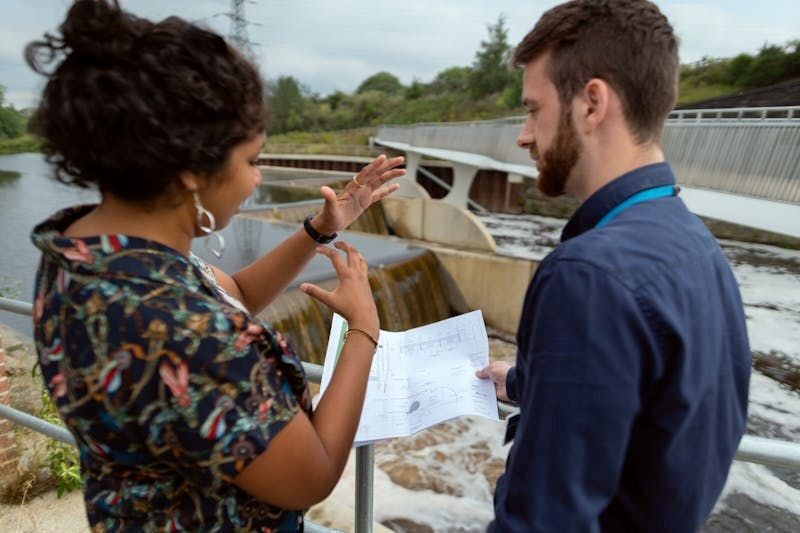
A construction site manager oversees the daily activities at the site and ensures that the project runs according to the set plan. This includes managing timelines, coordinating teams, supervising contractors, and maintaining safety standards. Their role is central to keeping the project organized and avoiding delays or issues during execution.
Many professionals prepare for this role through construction site management courses, which help them understand real-world challenges and site workflows. Their ability to manage multiple tasks while keeping the site running smoothly is essential to project success.
Key Skills Required To Become a Construction Site Manager

To manage site operations effectively and meet project goals, a construction site manager must be equipped with both technical and soft skills that apply directly to field conditions.
Technical Skills
- Project Scheduling: Learning how to plan time schedules, resource allocation, and changing schedules in case of delay.
- Blueprint Reading: Interpreting technical drawings and construction plans to guide on-site work.
- Site Safety Compliance: Applying regulations and enforcing safety standards to reduce risk and meet legal requirements.
- Construction Software Proficiency: Using tools like project management platforms, BIM software, and scheduling systems to monitor progress.
- Budget Tracking: Managing site expenses, labor costs, and materials within the project’s financial limits.
- Quality Control Methods: Ensuring that the work is up to the requirements of the engineering standards, the code, and the client's expectations.
- Material Handling Knowledge: Knowledge on how to properly store, and most importantly, when to use a certain construction material to avoid wastages and delays.
Soft Skills
- Leadership: Directing teams, giving people tasks, and remaining productive under pressure
- Problem Solving: Making effective and practical solutions to address site problems fast.
- Communication: Clarity in explaining the tasks, reporting to stakeholders, and coordinating with different teams.
- Decision Making: To make appropriate and informed decisions in a timely manner to keep work progressing.
- Adaptability: Being able to be adaptive to changes in different site conditions, deadlines, or anything that has to do with resources, without any hitch.
- Conflict Resolution: Handling disputes or misunderstandings among workers or contractors professionally.
- Time Management: Prioritizing tasks and maintaining workflow to meet project milestones.
Most Used Software by Construction Site Manager
Technology has become essential for handling tasks, teams, and timelines on-site. Many professionals gain familiarity with key tools during their construction site management certification, which prepares them to use software that supports planning, communication, and reporting throughout the project.
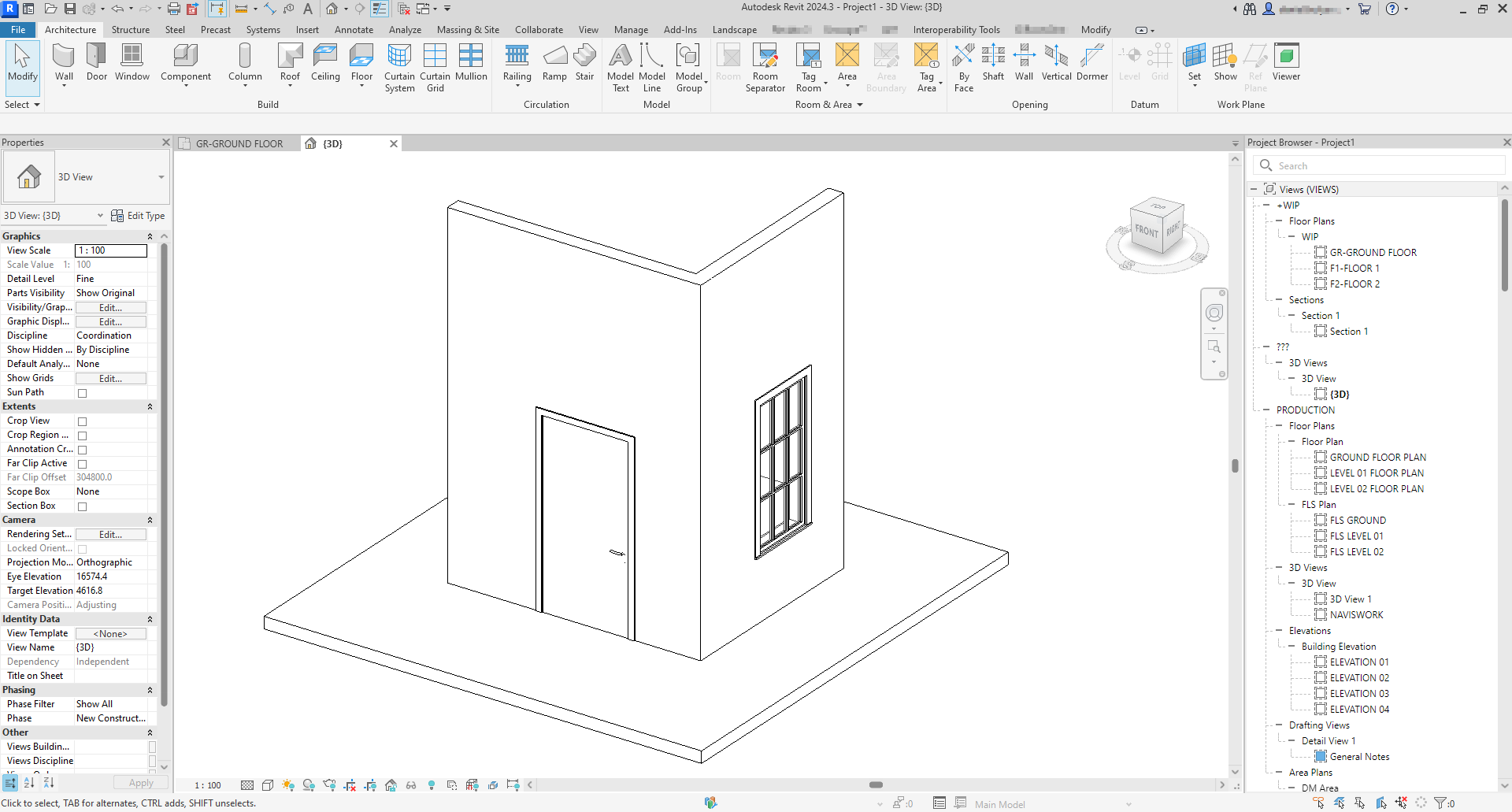
1. Autodesk Revit
Autodesk Revit is a leading BIM software used to produce accurate 3D models that include building design, materials, and systems. Site managers rely on it to review construction intent, validate technical details, and support clash detection between structural and MEP components before work begins on-site.
Key highlights:
- Integrated with AEC Collection: Includes AutoCAD, Forma, Docs & more
- Free Trial: Available for download
- Annual Plan Price: $3,005/year for 1 user
- Flexible Plans: Monthly and token-based (Flex) options available
2. Trimble Connect
Trimble Connect is a cloud-based collaboration platform that links field and office teams through centralized model access. It enables role-based file sharing, task assignment, and spatial coordination, allowing site managers to manage timelines and responsibilities directly from updated 3D project data.
Key highlights:
- 45+ File Types Supported: Including geospatial and BIM formats
- Integration Ready: Works with SketchUp, Tekla, ProjectSight & more
- Storage per User: 10–20 GB, depending on plan
- Annual Plans: Starting at $149/user/year (Pro), $349/user/year (Innovate)
3. Autodesk Navisworks
Autodesk Navisworks is a powerful project review software used to combine design and construction data into a single model. Site managers use it extensively for clash detection, 4D simulations, and progress tracking ensuring construction sequences are error-free and aligned with actual site timelines.
Key highlights:
- Clash Detection & Coordination: Resolve conflicts in multidisciplinary BIM models
- 4D Simulation: Integrate models with schedules for visual construction phasing
- Annual Plan Price: $1,145/year for a single user
- Part of AEC Collection: Includes Revit, AutoCAD, Civil 3D, and more
4. Autodesk Civil 3D
Autodesk Civil 3D is tailored for civil engineering and site development. Site managers leverage it to manage topography, grading, utility layout, and drainage systems. It plays a vital role in preconstruction groundwork planning and coordination with design consultants.
Key highlights:
- Grading & Earthworks: Automate volume calculations and surface modelling
- Pipe & Utility Design: Design networks for stormwater, sewer, and water systems
- Annual Plan Price: $2,870/year for 1 user
- Included in AEC Collection: Bundled with Revit, Navisworks, and InfraWorks
5. Autodesk Construction Cloud
Autodesk Construction Cloud is a unified platform that connects field and office teams through tools like Build, Docs, and BIM Collaborate. Site managers use it to manage RFIs, submittals, punch lists, daily reports, and drawing versions—all in real time from the jobsite.
Key highlights:
- Real-Time Collaboration: Streamline documentation and issue tracking onsite
- Integrated Tools: Access Revit models, markups, and schedules on the cloud
- Pricing: Custom pricing based on project size and modules selected
- Mobile-Friendly: Optimised for field apps and offline access