---
title: "The Future of Construction Jobs: How BIM is Redefining Job Roles?"
description: "Why BIM is reshaping construction careers: rising demand, in-demand roles, skills, salaries, and practical steps to start a BIM career."
image: https://blog.novatr.com/hubfs/Why%20BIM%20is%20Important%20for%20the%20Future%20of%20Construction%20Sector%20Jobs.jpg
---
[Blogs](https://www.novatr.com/learning-hub)
- [Architecture & Construction](https://www.novatr.com/learning-hub?category=Architecture+%26+Construction)
- [BIM](https://www.novatr.com/learning-hub?category=BIM)
- [Computational Design](https://www.novatr.com/learning-hub?category=Computational+Design)
- [Company News](https://www.novatr.com/learning-hub?category=Company+News)
- [Expert Talks](https://www.novatr.com/learning-hub?category=Expert+Talks)
Explore Courses
[Just Launched  BIM Professional Program v.2026 Take your career to the next level by mastering the real-world application of BIM. Know More](https://www.novatr.com/courses/bim-professional-program)
[ Master Computational Design Course Break into an advanced career by learning to apply the power of computation to the art of design. Know More](https://www.novatr.com/courses/computational-design)
[Blogs](https://www.novatr.com/learning-hub)
Explore Blogs
- [Architecture & Construction](https://www.novatr.com/learning-hub?category=Architecture+%26+Construction)
- [BIM](https://www.novatr.com/learning-hub?category=BIM)
- [Computational Design](https://www.novatr.com/learning-hub?category=Computational+Design)
- [Company News](https://www.novatr.com/learning-hub?category=Company+News)
- [Expert Talks](https://www.novatr.com/learning-hub?category=Expert+Talks)
Courses
- [BIM Professional Program v.2026](https://www.novatr.com/courses/bim-professional-program)
- [Master Computational Design](https://www.novatr.com/courses/computational-design)
- [CIVIL/](https://www.novatr.com/learning-hub?category=BIM)
Featured Article
# The Future of Construction Jobs: How BIM is Redefining Job Roles?

Harshita Chaudhary
June 5, 2026
7 min read


The construction industry is changing, and so are the jobs within it. As **BIM engineer and coordination job roles** become more common across projects, the **future of construction jobs** looks increasingly digital.
**BIM career opportunities** are growing across architecture, engineering, infrastructure, and project management, and professionals who develop the right **skills for BIM jobs** are in demand in both India and global markets.
In this blog, we break down how **BIM jobs** are reshaping the industry, what roles are emerging, what a **BIM engineer's salary** looks like today, and how to build a practical **career in BIM** from where you are right now.
Unlock High-Paying Careers With BIM
Master BIM workflows, software and skills on real projects.
Apply Now
\*Limited seats available
## How Construction Jobs Are Evolving?
The construction industry has always required technical skill, but the nature of that skill is changing. What began as intelligent 3D modelling is now becoming the data backbone for entire project lifecycles, from concept design through construction, handover, and long-term operations ([source](https://www.autodesk.com/solutions/aec/bim/benefits-of-bim)).
This shift is directly affecting the **future of construction jobs**. BIM Managers, who oversee the implementation of BIM processes, have become crucial to ensuring project efficiency and accuracy. Roles such as **BIM modeller** and **BIM engineer jobs** are now standard positions across architecture, engineering, and infrastructure firms.The global BIM market is expected to grow from USD 9.12 billion in 2025 to USD 10.27 billion by 2026, a clear signal that **BIM career opportunities** are expanding, and that **skills required for BIM jobs** are becoming baseline expectations rather than specialist differentiators ([source](https://ccemagazine.com/news/top-5-benefits-of-bim-construction/)).
Technology is evolving from a support function into the operational backbone of construction, and professionals who build a **career in BIM** now are positioning themselves at the epicentre of where the industry is heading.
## Rise of BIM Job Roles
As **BIM jobs** become more defined across the industry, three roles form the core of most project teams.
### 1. BIM Modeller
A BIM Modeller creates digital representations of construction projects using software like Revit and Navisworks, preparing 3D models, coordinating with engineers, and ensuring designs meet project standards. In India, entry-level **BIM modeller jobs** typically pay ₹3 lakh to ₹6 lakh annually, with senior modellers earning ₹6 lakh to ₹10 lakh.
### 2. BIM Engineer
**BIM engineer jobs** involve applying engineering principles to BIM workflows, verifying technical feasibility, optimising designs, and ensuring compliance with industry standards. These roles are well-suited for professionals with structural or MEP engineering backgrounds.
### 3. BIM Manager
The BIM Manager leads the strategic implementation of BIM across an organisation, overseeing BIM Execution Plans, setting standards, managing software tools, and ensuring all deliverables meet quality and compliance requirements. This is typically where a **career in BIM** progresses after gaining coordination and engineering experience, and it represents one of the more senior **BIM career opportunities** available across the AEC industry.
## Key BIM Careers in Demand
**BIM jobs** have grown from niche positions to mainstream roles across construction. Roles that were once specialist are now standard across architecture, engineering, and infrastructure firms. Here are the **BIM career opportunities** most in demand in 2026:
### **1. BIM Modeller**:
Entry-level **BIM modeller jobs** focus on creating 3D models, coordinating with engineers, and ensuring designs meet project standards, with salaries in India ranging from ₹3–6 lakh annually for freshers ([source](https://www.novatr.com/)).
### **2. BIM Coordinator**:
Acts as the bridge between design and construction teams, responsible for clash detection, coordination, and maintaining model accuracy across all disciplines. This is a mid-level role requiring 3–5 years of experience ([source](https://www.trustpilot.com/review/novatr.com)).
### **3. BIM Engineer**:
**BIM engineer jobs** involve applying engineering principles to BIM workflows, verifying technical feasibility, and ensuring compliance with industry standards; ideal for those with structural backgrounds.
### **4. BIM Manager**:
Oversees BIM implementation across projects, manages team workflows, sets model standards, and ensures all deliverables align with project execution plans. This is typically a senior role with competitive **BIM engineer salary** ranges.
### **5. Digital Twin Specialist:**
An emerging **career in BIM** that extends into operations and facilities management, leveraging digital twin technology for real-time asset monitoring and long-term building performance.
The **skills required for BIM jobs** vary by role, but all require proficiency in software like Revit, Navisworks, and coordination platforms, alongside an understanding of how BIM fits into real project delivery.
## Skills Required for Future Construction Jobs
The **skills required for BIM jobs** cover technical ability, project understanding, and how well you work with teams. Here are the five most important skills for a successful **career in BIM**:
**1. BIM Software Proficiency**: Autodesk Revit remains the backbone of the BIM ecosystem, with proficiency no longer a bonus but the baseline expectation. Companies expect complete fluency in modelling, family creation, and generating deliverables. Familiarity with Navisworks for coordination and AutoCAD for 2D detailing is also standard across most **BIM jobs** ([source](https://au.linkedin.com/company/aussie-bim-guru)).
**2. Coordination and Clash Detection**: The second most sought-after skill is coordination. Navisworks is the standard for clash detection and model aggregation, while Solibri is increasingly specified for advanced rule-based model checking, critical for **BIM engineer jobs** and coordination roles ([source](https://au.linkedin.com/company/aussie-bim-guru)).
**3. Data Management and CDE Platforms**: Expertise in managing Common Data Environments like Autodesk Construction Cloud or BIM 360 is now a critical requirement. Professionals need to manage a single source of truth, control access, and ensure data integrity throughout the project lifecycle ([source](https://au.linkedin.com/company/aussie-bim-guru)).
**4. Communication and Collaboration**: This is a universal competency mentioned across all roles analysed. BIM is a collaborative process, and the most advanced technical skills are ineffective without the ability to communicate, negotiate, and solve problems within a multidisciplinary team ([source](https://au.linkedin.com/company/aussie-bim-guru)).
**5. Understanding Construction Methods**: Knowing construction methods and materials is essential for creating accurate BIM models. Understanding prefabrication, modular construction, and site logistics connects the digital model to real-world constructability. This separates professionals who model well from those who model correctly.
## Global Demand for BIM Professionals
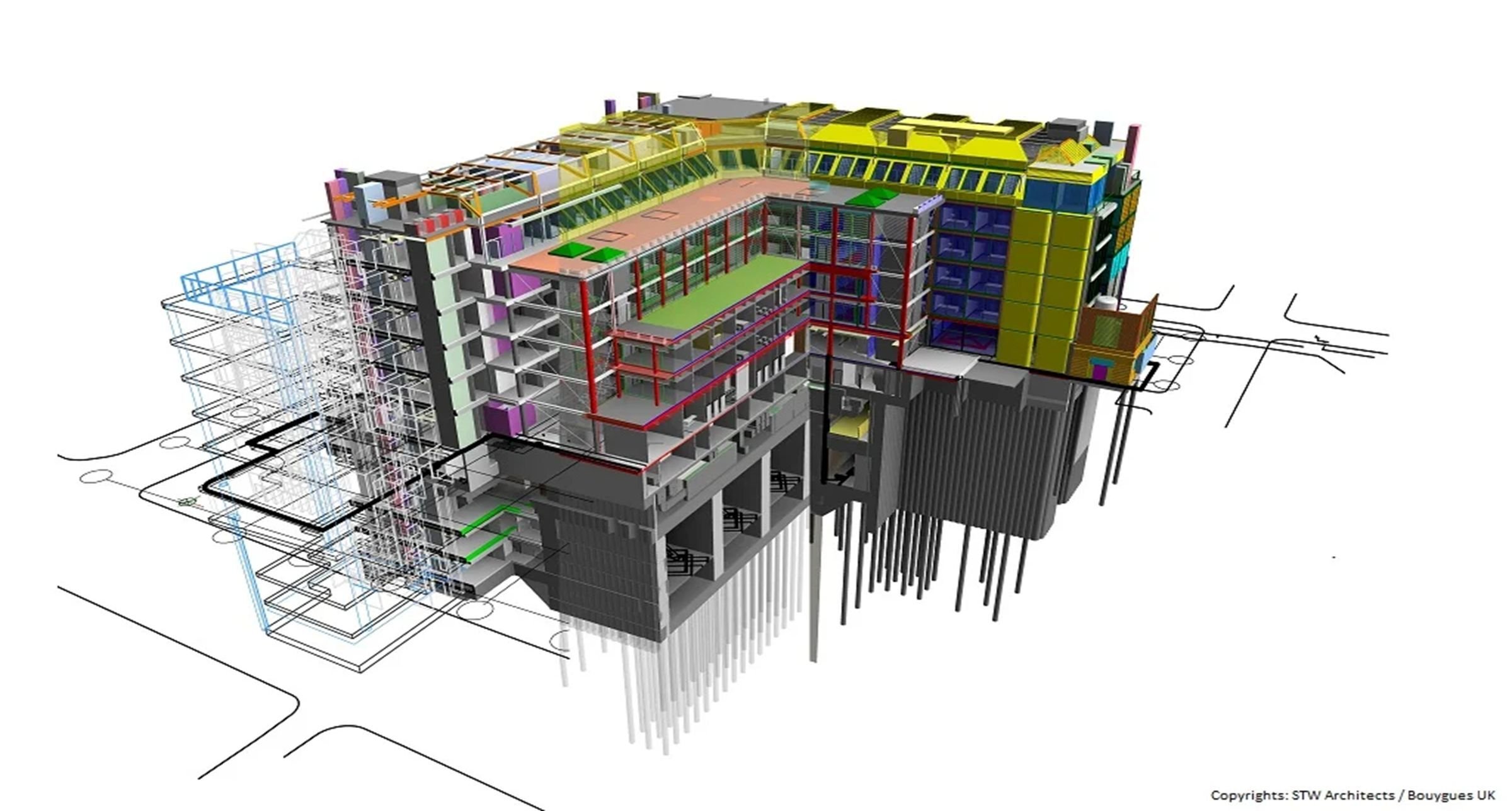
The global BIM market was valued at USD 9.12 billion in 2025 and is projected to grow to USD 27.12 billion by 2034, at a CAGR of 12.90%, and this growth translates directly into demand for **BIM career opportunities** ([source](https://learnacc.autodesk.com/page/all-courses)).
North America holds around 36.4% of the global market share, while the Asia Pacific is growing at the highest rate, driven by construction booms in China, India, Singapore, and Malaysia, with governments mandating BIM across public infrastructure projects ([source](https://learnacc.autodesk.com/page/all-courses)).
As domestic and international governments mandate BIM for public projects and private firms increasingly adopt digital workflows, professionals with **BIM** skills are becoming essential to project delivery. For anyone building a **career in BIM**, the **future of construction jobs** is digital, and the demand for these skills continues to grow across both public and private sectors.
## How to Start a Career in BIM?
Starting a **career in BIM** requires a clear plan and structured learning. Here is how to build your way into **BIM jobs**:
Most BIM professionals hold a degree in architecture, civil engineering, or construction management, but that alone does not make you job-ready. Understanding construction processes and building systems gives you the context to model correctly.
Expertise in BIM software such as Autodesk Revit, Navisworks, and ArchiCAD is essential. Start with Revit for modelling, then move to Navisworks for coordination and clash detection.
It also helps to hold certifications such as the Autodesk Certified Professional designation to stand out and validate your **skills required for BIM jobs** to employers. For civil engineers looking to transition into **BIM engineer jobs**, structured programs like [Novatr's](https://www.novatr.com/learning-hub) [BIM Professional Course for Civil Engineers](https://www.novatr.com/courses/bim-for-civil-engineers) can be a good place to begin.
Master BIM and Get Hired Faster
Join a community of 8500+ Architects and Engineers.
Explore Now
\*Limited seats available
## Conclusion
The construction industry is shifting toward digital workflows, and **BIM jobs** are now on the rise. For those looking to build a **career in BIM**, the path is straightforward: learn the right tools, understand real project workflows, and gain hands-on experience. The **BIM career opportunities** available today, from **BIM modeller jobs** to coordination and management roles, reflect a broader industry shift toward smarter, more efficient project delivery.
The **future of construction jobs** is digital. If you adapt early, the industry will turn to professionals like you.
Check out [Novatr’s](https://www.novatr.com/) [BIM Professional Course for Civil Engineers](https://www.novatr.com/courses/bim-for-civil-engineers), and for more information, head to the [resources page](https://www.novatr.com/learning-hub) to find learning material and training that strengthen your resume and make you stand out in a competitive market.
Was this content helpful to you
Like Yes
Dislike No

TABLE OF CONTENTS
BIM Is The New Standard. Are You Certified?
Get Certified in BIM
SHARE ON YOUR SOCIALS
Link Copied Successfully
Related articles
[ Building Information Modelling Top 10 Cities in the USA for BIM Jobs 2026 25 March 2025 21 min read](https://blog.novatr.com/blog/top-10-cities-for-bim-jobs-in-usa) [ BIM What Jobs Can You Get After a BIM Course? (With Salary Insights) 29 June 2026 9 min read](https://blog.novatr.com/blog/top-jobs-you-can-get-after-bim-course) [ BIM Project Management Professional (PMP) Vs BIM Certification for Construction Professionals 23 June 2026 7 min read](https://blog.novatr.com/blog/pmp-vs-bim-certification-which-is-better-for-engineers) [ BIM Civil How Real BIM Projects Work: From Design to Construction? 5 May 2026 5 min read](https://blog.novatr.com/blog/the-practicality-of-bim-projects-from-design-to-construction)
Download Syllabus
## BIM Professional Program
Next Cohort
June 2026
Program Duration
7 Months
Premium Program benefits
8 Credentials from Autodesk, NSDC, Novatr
1 program. 10 career paths. Infinite Growth.
40+ ISO 19650 & RIBA real-world projects to practice
1-on-1 guidance. Access 400+ industry experts.
Access the biggest AEC-Tech community on the planet. 8500+ and counting
Curated for you by 100+ global BIM leaders.
Lifelong access to course content
Enter your details to download the program syllabus.
##### BIM Professional Program
June 2026, 7 Months
Your Name Invalid name.
Phone Number Enter a valid phone number
Email Please enter a valid email address.
Select years of experience\* Currently studying 0-1 years 1-2 years 2-4 years 4-8 years 8-10 years 10-12 years 12+ years Invalid selection.
Specialisation Select your background\* Architecture Civil Engineering Mechanical Engineering Electrical Engineering Invalid selection.
Are you professionally trained in interior design?
Yes
No
I agree to the [Terms of Use](https://www.novatr.com/terms-and-conditions) and [Privacy Policy](https://www.novatr.com/privacy-policy), and consent to be contacted by Email, Call, WhatsApp, or SMS.
Submit
Ready to skyrocket your career?
Begin your next chapter in AEC
with Novatr!
We are here to help you take the industry by storm with advanced, tech-first skills.
[Explore Courses](https://www.novatr.com/#courses)
Join our newsletter
Submit
Thank you for signing up.
We’ll send you a nice letter once per week. No spam.

Dare to Disrupt.
Join thousands of people who organise
work and life with Novatr.
Company
- [About Us](https://www.novatr.com/about)
- [BIM Professional Program v.2026](https://www.novatr.com/courses/bim-professional-program)
- [Masters Computational Design](https://www.novatr.com/courses/computational-design)
- [Become a Mentor](https://www.novatr.com/apply-as-mentor)
- [Hiring from Us](https://www.novatr.com/hire-from-us)
- [Careers at Novatr](https://www.novatr.com/career)
Resources
- [Blog](https://www.novatr.com/learning-hub)
- [Media Room](https://www.novatr.com/media-room-home-page)
- [Career Builder](https://www.novatr.com/career-navigator)
- [Events & Webinars](https://www.novatr.com/webinars)
- [FAQs & Support Center](https://www.novatr.com/contact-us)
- [Contact Us](https://www.novatr.com/contact-us)
- [Privacy Policy](https://www.novatr.com/privacy-policy)
- [Terms of Use](https://www.novatr.com/terms-and-conditions)
©2023 Oneistox Network Pvt. Ltd.
All Rights Reserved
```json
{
"@context" : "https://schema.org",
"@type" : "BlogPosting",
"author" : {
"@type" : "Person",
"name" : "Harshita Chaudhary",
"url" : "https://blog.novatr.com/blog/author/harshita-chaudhary"
},
"dateModified" : "2026-06-05T06:25:48.181Z",
"datePublished" : "2026-06-05T06:18:04.000Z",
"headline" : "The Future of Construction Jobs: How BIM is Redefining Job Roles?",
"image" : [ "https://blog.novatr.com/hubfs/Why%20BIM%20is%20Important%20for%20the%20Future%20of%20Construction%20Sector%20Jobs.jpg" ],
"mainEntityOfPage" : {
"@id" : "https://blog.novatr.com/blog/the-future-of-construction-jobs-how-bim-is-redefining-job-roles",
"@type" : "WebPage"
},
"publisher" : {
"@type" : "Organization",
"logo" : {
"@type" : "ImageObject",
"url" : "https://blog.novatr.com/hubfs/Novatr%20Prev%20OX-2.svg"
}
}
}
```