



What Makes the Kashi Smart City Project Different from Traditional Projects?
Most construction projects concentrate on a particular building or site. The Kashi Smart City Project stands out since it involves several aspects such as infrastructure, amenities, heritage sites, and urban development, all in one framework.
-
City-Wide Planning Instead of Individual Projects
In terms of conventional construction activities, there is generally a limited scale involved in terms of locations or spaces. However, the Kashi project considers the integration and functionality of different city parts which makes it an exemplary example of BIM in urban planning.
-
Integration of Multiple Urban Systems
Roads, utilities, civic infrastructure, and public places all contribute to the implementation of the project, and the integration of such elements into the design process through digital technologies enhances visibility and increases the effectiveness of decision-making.
-
Balancing Modernisation with Heritage Conservation
Unlike new developments built on empty sites, Kashi requires improvements within a historic urban environment. This creates a need for careful planning that respects the city's cultural and architectural identity.
-
Data-Driven Decision-Making
Digital models and city-scale data help planners understand existing conditions before implementing changes. This reduces uncertainty and supports better project coordination.
-
Focus on Long-Term Urban Development
The proposed initiative involves more than just satisfying immediate needs. Instead, it involves future needs and efficiencies. This resonates perfectly with the concepts of BIM in sustainable construction where long-term performance is considered along with the immediate project goals.

How BIM Powered Kashi Smart City Project?
Through the Kashi Smart City Project, it becomes clear how BIM can help in supporting urban development at a larger scale than regular construction work projects. Through the use of BIM, there is a better coordination approach to development in this city.
-
Effective Planning for Infrastructure
BIM allowed the planning team to visualise existing infrastructure and evaluate any interaction between proposed plans and infrastructure like roads, utilities, and public places.
-
Improved Cooperation among Teams
Many urban projects required collaboration with several stakeholders and agencies. With BIM, it was easier for different parties involved to share information and collaborate on common goals.
-
Utility Management Support
The use of digital modelling helped reduce the potential for any conflicts arising during construction or even later on when maintenance was required by ensuring proper planning and coordination of utilities.
-
A Step Towards Smarter Cities
This is a good example of an emerging trend in the implementation of BIM in construction projects, where digital processes are not just being applied to individual buildings, but also to urban projects on a larger scale.
-
The Future of Urban Construction
As cities become increasingly data-oriented, initiatives like the Kashi project glimpse into the future of BIM in construction. It shows how BIM can improve planning, maintain coordination, and manage urban environments more efficiently.
-
Decision-Making Support
The ability to use centralized information about the projects facilitated better decision-making throughout the entire process.
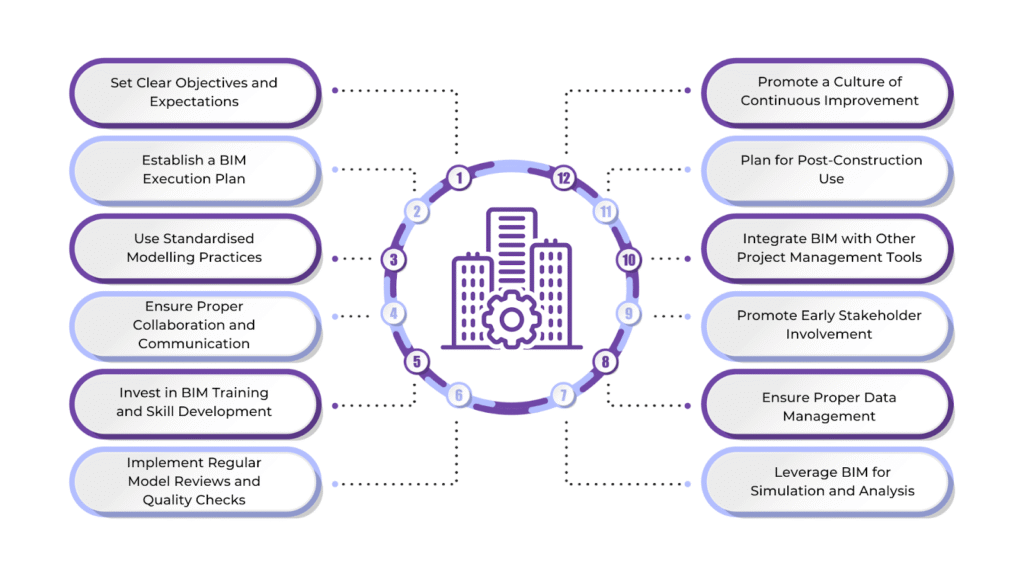
Which BIM Skills can Become Useful in Smart City Projects?
With the initiation of smart cities projects, BIM specialists have been identifying new areas in which they can apply their knowledge besides construction works. Today’s urban planning needs a group of specialists capable of dealing with vast amounts of data, coordinating stakeholders, and integrating urban infrastructure.
Consequently, several BIM-related skills are becoming valuable in the world of BIM in smart city projects.
- 3D Modelling: Accurate digital modelling enables planners to visualise the project and comprehend how different urban elements integrate.
- Data Management: Smart city projects contain a large volume of data, and managing this amount of information is an efficient skill.
- Coordination and Clash Detection: Recognition of potential conflicts between utilities, transportation networks, and infrastructure networks help avoid costly issues later.
- BIM/Geographic Information System (GIS) Integration: The integration of GIS data with Building Information Modeling allows individuals to become more efficient on the urban scale.
- Infrastructure Modelling: An understanding of roads, bridges, infrastructure, and the management of publicly owned assets is increasingly important.
- Digital Twin Development: This skill involves creating and maintaining digital visuals of real-world assets that supports long-term city management.
- Collaboration Skills: Smart city projects involve planners, engineers, government agencies, and technology teams working together.
- Visualisation and Presentation: Clear visual communication helps stakeholders understand proposals and make informed decisions.
- Sustainability Analysis: Assessing environmental performance can support more responsible urban development.
- Understanding of BIM Workflows: A strong foundation in BIM technology in construction remains essential, as many smart city projects build upon the same principles of coordination, data sharing, and digital planning.
Can BIM Careers Expand Beyond Buildings and Infrastructure?
As technology evolves, job prospects have moved beyond the creation and coordination of building designs. BIM professionals have become involved in urban and digital transformations more often than ever before.
- Assistance for Smarter Cities: BIM experts have begun playing a role in the implementation of BIM in urban planning, assisting in the visualisation, management, and coordination of development across cities.
- Working with Digital Twins: Numerous organisations are creating digital versions of real-life buildings, assets, and cities. BIM experts contribute greatly to the creation of these models.
- Contributing to Sustainability Goals: BIM can assist in the management of energy efficiency and environmental sustainability.
- Improving Public Infrastructure Management: Governments and city authorities are using BIM data to manage roads, utilities, transport networks, and public facilities more effectively.
- Collaboration with Professionals in the Field: BIM experts usually collaborate with other professionals such as urban planners, data experts, and technologists to aid decision-making processes.
- Exploring Emerging Career Paths: As cities become more connected and data-driven, BIM expertise is opening doors to new opportunities beyond traditional AEC roles like Virtual Design and Construction, Digital Twin Specialist, AI Architect, and a lot more.
.png)