



What is BIM and its role in Smart Cities?
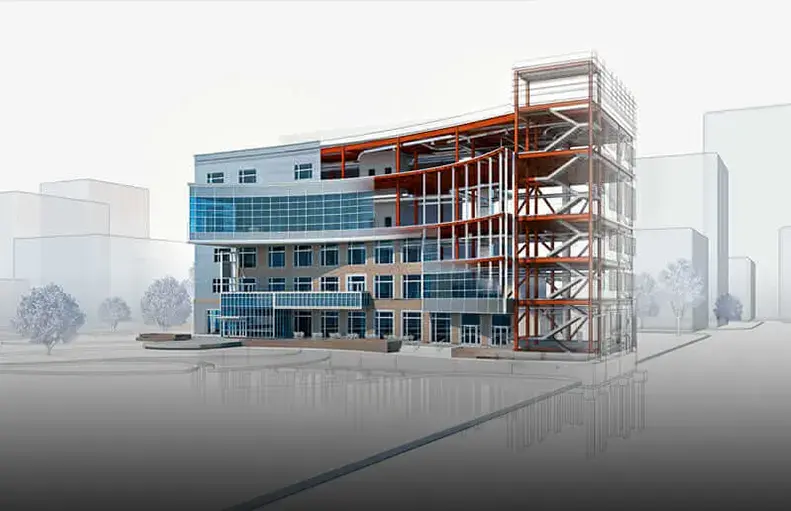
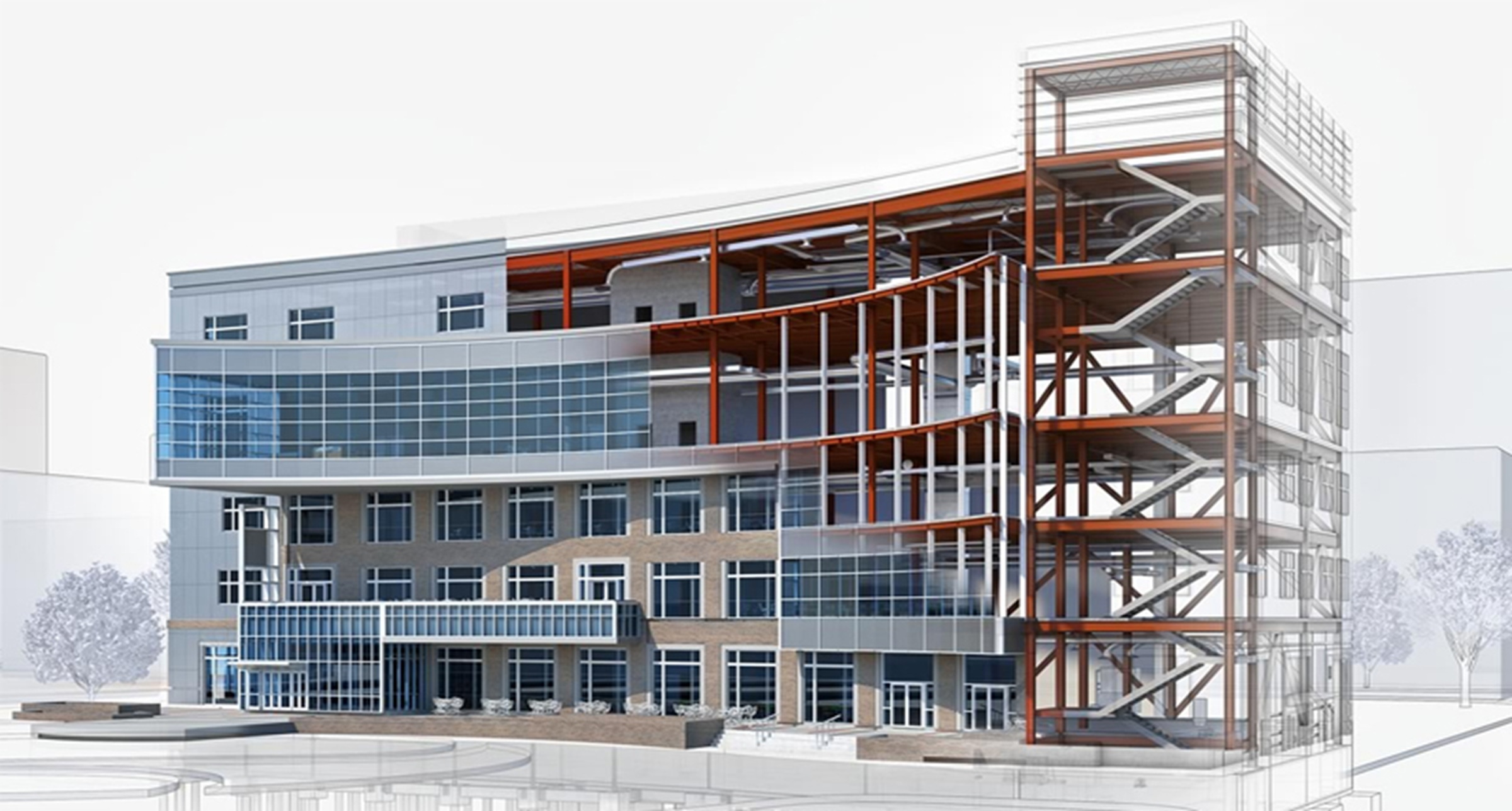
Building Information Modeling (BIM) is a process where architects, engineers, and contractors collaborate using a shared digital model in BIM, that contains geometry, data, and lifecycle information all in one place.
Through the BIM coordination process, every team works from the same model, reducing errors before construction begins.
Its role in smart cities includes:
- Planning infrastructure layouts using 4D BIM planning to map timelines alongside design
- Catching conflicts early through clash detection using BIM, avoiding costly on-site rework
- Coordinating across disciplines via 3D BIM coordination between structural, MEP, and civil teams
- Managing assets long-term across all BIM lifecycle stages — from design to maintenance
This makes BIM in infrastructure projects essential for smarter urban development.
India’s Smart Cities Mission
India's Smart Cities Mission was launched on June 25, 2015, to develop 100 cities that provide core infrastructure, a clean and sustainable environment, and a decent quality of life through smart solutions.
But managing projects at this scale, across roads, water systems, public transport, and utilities, requires more than traditional methods can offer.
This is where BIM in infrastructure projects becomes valuable. The Smart Cities Mission supports BIM adoption by promoting digital workflows, data-driven planning, and improved efficiency in urban and public infrastructure development ). The BIM execution plan helps project teams stay aligned from the start, defining how data is shared and how changes are tracked throughout the project.
BIM in smart cities helps with better planning, resource management, and coordination among the various verticals involved in urban development (source), reducing cross-functional mishaps and keeping large, complex projects on track and on budget.

Credits: BIM Cafe
How BIM is Used in Smart City Projects?
BIM in smart cities is applied across every stage of urban development, from planning to long-term maintenance. Here are its key applications:
1. Urban Planning and Visualisation:
BIM allows planners and government bodies to simulate cityscapes and study zoning impacts before actual construction begins, analysing land use, road access, pedestrian flow, and green spaces.
2. Clash Detection:
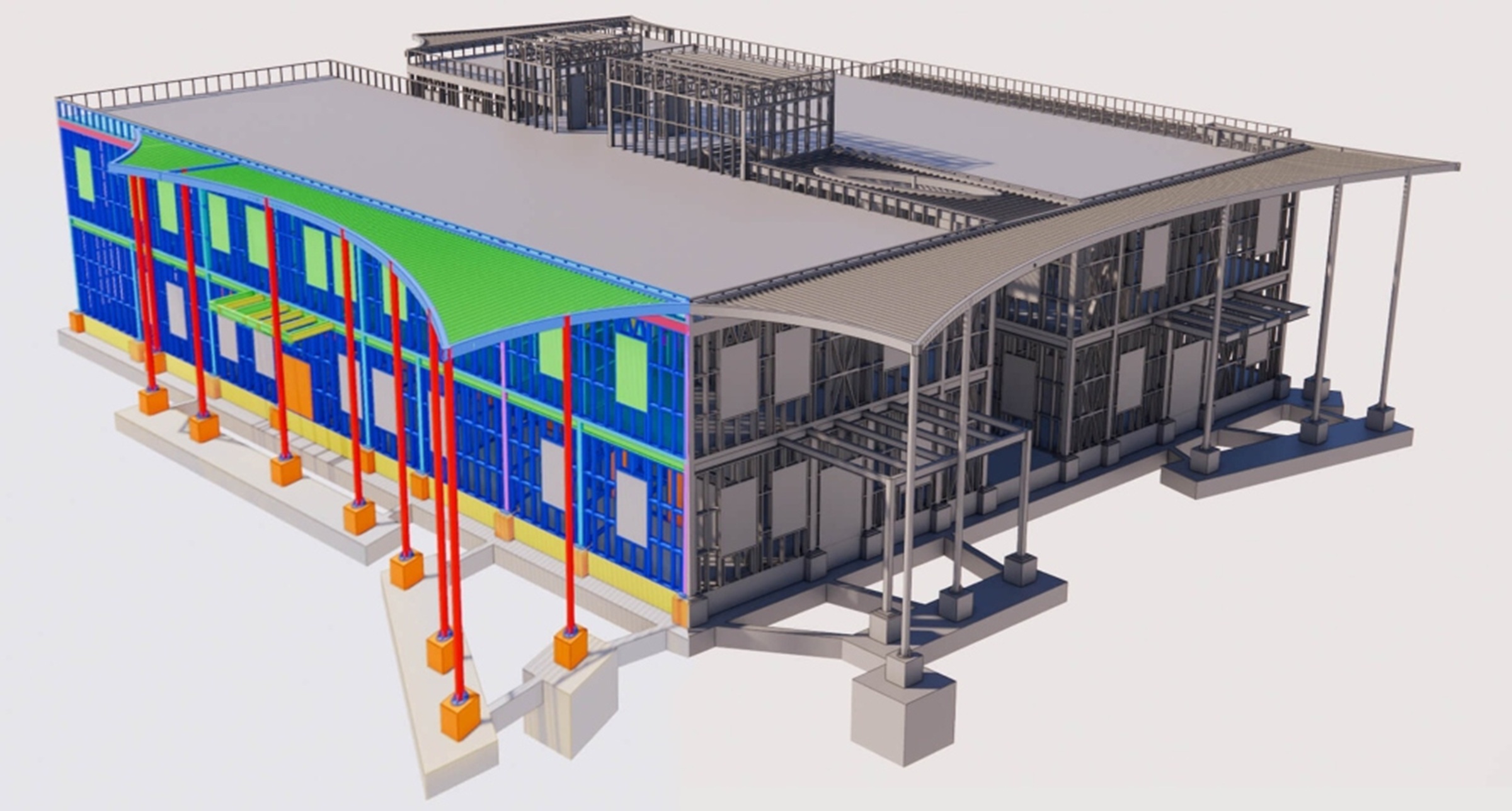
Clash detection using BIM helps develop coordinated, clash-free models for critical community infrastructure, catching conflicts between structural, MEP, and civil systems before they become expensive on-site problems.
3. Construction Scheduling:
4D BIM planning links the project timeline directly to the design model, so teams can visualise how construction will unfold phase by phase and identify scheduling risks early.
4. Infrastructure Coordination:
BIM in infrastructure projects integrates data on roads, buildings, utilities, and public spaces into a single model, helping planners analyse how new developments will impact the surrounding city.
5. Cross-functional Coordination:
Design coordination through BIM improves communication between teams and ensures more efficient management and sharing of information across all disciplines involved.
6. Long-Term Asset Management:
Since BIM offers a detailed digital model of every building and piece of infrastructure, t helps track urban assets throughout their lifecycle.
Real Examples of BIM in India
BIM in infrastructure projects across India is no longer experimental; it is actively shaping some of the country's largest builds.
- Mumbai Metro Line 3 used BIM in smart cities planning for design, construction, and maintenance, enhancing coordination and reducing project risks (source).
- The Delhi International Airport Terminal 3 also relied on BIM for design coordination, minimising construction errors throughout execution (source).
- The Nagpur Metro Rail implemented 5D BIM technology, improving visualisation, cost estimation, and scheduling, while enabling clearer communication among all project stakeholders (source).
- Bengaluru Airport's Terminal 2 used Autodesk BIM 360 as its design and planning platform, setting a benchmark for airport infrastructure delivery in India (source).
- Amaravati in Andhra Pradesh and GIFT City in Gujarat have fully BIM-based master plans, integrating transportation networks, public utilities, and buildings into a single collaborative model (source).
These projects show how BIM in smart cities and large-scale infrastructure is moving fast and can not be ignored.
What are the benefits of BIM in Construction?
The benefits of BIM coordination go beyond visual improvement. Here is what it practically delivers on construction projects:
- Fewer Errors, Less Rework: Clash detection using BIM allows project managers to identify site risks and design conflicts early, reducing costly errors during construction. Studies show that 41% of companies in the AEC industry cite reduction in errors as one of BIM's top advantages (source).
- Better Collaboration: In a buildingSMART International survey, 70% of BIM users reported improved and faster collaboration as a key benefit, with 85% citing 3D BIM coordination as the most improved process (source).
- Cost and Time Savings: BIM in construction can reduce costs by up to 10%, budgeting errors by 40%, and construction time by more than 10% (source).
- Better Scheduling: 4D BIM scheduling links construction timelines directly to the model, helping teams spot delays before they happen.
- Lifecycle Management: BIM captures data during design and construction that continues to benefit operations and maintenance long after a project is complete (source).
- Sustainability: According to the American Institute of Architects, a building's energy usage can be reduced by up to 30% when BIM is used at the design stage (source).
How to start your career in BIM?
Starting a career in BIM does not require you to have years of experience. What it does require is learning the right tools, understanding real workflows, and building a portfolio that reflects industry standards.
As a civil engineer, the entry point is straightforward: learn how BIM in infrastructure projects is practically applied, get hands-on with tools like Revit, Navisworks, and Civil 3D, and understand the BIM coordination process well enough to contribute to real projects.
This is exactly what Novatr's BIM Professional Course for Civil Engineers is structured around.
1. Process-Driven BIM Skill Development: Through structured studio modules, Foundation, Core, Collaborative, Capstone, and Specialisation, learners build hands-on proficiency in Autodesk Revit, Navisworks, and construction cloud covering clash detection, 4D scheduling, cost reviews, and sustainable design workflows.
2. Industry-Expert Mentorship: Live sessions and masterclasses are led by practising BIM managers, computational designers, and AEC technology leaders, offering direct exposure to the professional standards the industry actually operates by.
3. Career-Focused Outcomes: From ISO 19650 compliance to resume building, LinkedIn positioning, and mock interviews, Novatr's placement support is designed to connect learners with serious opportunities across design, construction, and project management firms.
4. Flexible, Structured Learning A blended model combining live instruction and self-paced study, supported by responsive faculty and personalised progress tracking, ensures learning stays rigorous without being rigid.

.png)
