



Future Ready Career Paths After Civil Engineering

The construction industry is booming worldwide with investments projected to be $15.5 trillion by 2030. This quick growth is transforming the way we design and construct infrastructure. The old school approach of securing the best roles is no longer sufficient and it is difficult to find long term growth without the ability to go above and beyond with basic drafting skills. To remain ahead, civil professionals need to upgrade their technical knowledge. But, many traditional academic curricula continue to teach outdated processes rather than modern processes. This guide identifies a future ready career path for civil engineers that will be ready for the future and provides an overview of how skills can be selected to meet the needs of the digital construction industry.

Key Takeaways

  • The knowledge of digital workflow and automated data management is more appreciated than the use of blueprints by modern construction companies.
  • New specializations in the engineering profession, with high salaries, will open up with the learning of BIM Skills.
  • Traditional jobs such as site management are evolving at a rapid rate, and they need to know a bit of coding and data coordination, in addition to engineering math.
  • The best way for fresh graduates to get the best hiring managers is to create a portfolio using real tools.
Master BIM Before the Industry Leaves You Behind

Join 8500+ architects & engineers building high-growth careers with BIM

Explore the Program

*Limited seats available

What Does a Future-Ready Career Actually Mean?

A future-ready career is one that will continue to have value as technology evolves the industry. Companies are no longer looking for engineers who can check concrete mixes or read paper blueprints. They require professionals that know how digital data moves through a project.

There are several key advantages to selecting a forward-looking path:

  • Job Security: Tech-driven jobs are less susceptible to market shifts due to digital planning that minimizes project waste and costly mistakes.
  • Better Pay: Professions that have tech-specific expertise make more money than those working at entry-level sites.
  • Global Opportunities: International construction standards are consistent, and digital skills acquired today are relevant for projects all over the world.

Which Emerging Roles are Shaping the Future of Civil Engineering?

Today, new technologies are providing civil engineers with new alternative career paths for civil engineers that were not available 10 years ago. These roles are all about digital coordination, data accuracy and virtual testing before the real ground breaking occurs.

If you're looking to break away from the norm in site supervision, consider these specialized BIM careers:

  • BIM Coordinator: Coordinates the digital 3D models of different teams, ensuring that there are no clashes between structural and architectural designs.
  • BIM Manager: Manages the information strategy of a project, establishes data standards, and collaborates with the cloud with all departments.
  • BIM Automation Specialist: A very technical position that involves coding repetitive drafting and data entry tasks.

Why are Digital Construction Skills Becoming Important?
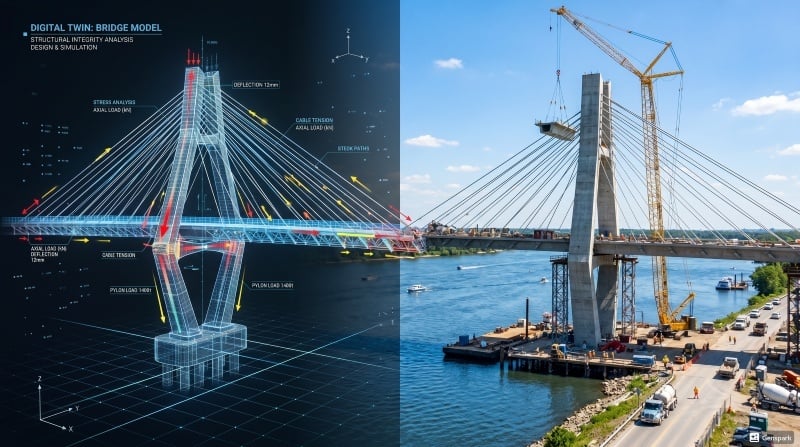
A split view showing a digital 3D structural model seamlessly transitioning into its real-world construction site.

In traditional construction, there are often delays and misunderstandings in the process of design and construction, which is a problem that needs to be addressed. Digital skills solve these issues by providing an online, single, accurate source of project truth.

These skills change your career path by enabling you to offer:

  • Enhanced Data Control: Manage cloud databases, monitor design changes and maintain accurate material quantities.
  • Faster BIM Career Growth: Engineers who learn to work with digital workflows advance to managerial positions sooner than those working on site.
  • Improved Team Coordination: Work seamlessly with architects, mechanical engineers and clients within a common digital space.

Can Traditional Civil Engineering Roles Evolve with Technology?

The jobs that are disappearing are not the traditional engineering roles; they are roles that are changing in fundamental ways. The days of only being able to use pen and paper for calculation and basic 2D drawings are over, and it is no longer possible for a standard site engineer or structural designer to compete.

Current positions are adjusting to the digital transformation in the following ways:

  • Smart Site Supervision: Project managers are on site with tablets, drone data and live 3D models to monitor the daily construction progress.
  • Automated Structural Design: Smart software is used to perform hundreds of stress simulations in minutes, as opposed to calculating each beam individually by a structural engineer.
  • Digital Quantity Surveying: Estimators can now calculate exact quantities of materials automatically and with linked digital models, thereby minimizing human calculation errors.

What Should Students and Freshers Learn to Stay Relevant?

Image: AI Generated

Graduates need to think outside the box of university textbooks to find the best career path for civil engineer jobs today. It is important to learn a balance of fundamental software skills and global data handling protocols.

Prioritize technical training in these key areas:

  • Master the process of creating data-rich 3D models with exact material information, costs and time schedules (BIM Skills).
  • Engineering Software for Beginners: Learn basic clash detection and 3D modeling using software such as Autodesk Revit and Navisworks.
  • Software Skills for Civil Engineers: Use visual programming tools, such as Dynamo, to automate complex layouts and easily work with large design data sets.
  • International Standards: Study framework rules such as ISO 19650 – learn how to organise project files to meet industry expectations around the world.


BIM is Advancing. Are You? 

Get certified, build your BIM portfolio, and a better career.

Join the Program

Conclusion

The building sector is definitely evolving quickly and engineers need to evolve to maintain their employability. If you stick with traditional methods, you will not grow in the long-term. For a quick career jump into digital construction management, it's essential to choose a training program that focuses on hands-on projects and team collaboration. Novatr's BIM Professional Program offers a structured learning experience to develop these practical skills with professional guidance. This course offers practical experience with current industry tools, enabling you to create a strong portfolio that shines to the top employers.

If you are looking for more educational articles and guides on modern construction technology, you can visit their resource page.

FAQs

1. What is the future scope of civil engineering?

There is a strong trend towards digital planning, sustainability and smart infrastructure. The top 10 jobs with the most career growth over the next 10 years will be civil engineering positions that require the ability to manage data, collaborate in the cloud, and communicate with 3D modeling platforms.

2. Which civil engineering jobs will be in demand in the future?

The fastest growth will be in roles related to technology integration. This encompasses BIM coordinators, digital project managers, BIM Automation Specialist professionals and smart infrastructure planners, who marry the traditional engineering logic with the modern data tools.

Is BIM the future of civil engineering?


Yes, BIM is the modern standard for global construction. It moves the industry away from disconnected 2D drawings into connected, intelligent 3D models. Mastering this workflow is essential for any civil engineer looking for long-term career stability.


Was this content helpful to you

Dislike No

TABLE OF CONTENTS

Download Syllabus
BIM Professional Course for Civil Engineers

course benefits

40+ live & bonus sessions

1 RIBA-structured capstone project

Learn 8+ BIM software

Autodesk & NSDC certifications

6 guided career sessions

Lifelong access to course content & community

Career counselling & interview preparation

Enter your details to download the course syllabus.

Download Syllabus
BIM Professional Course for Architects V2.0

course benefits

70+ live sessions

3+ RIBA and ISO 19650 structured capstone projects

18+ BIM software access

10+ guided career sessions

Certificates from Autodesk and NSDC

Lifelong access to course content & community

Career counselling & interview preparation

Enter your details to download the course syllabus.

Download Syllabus
Master Computational Design Course for Real-World Application

course benefits

80+ live sessions

50+ assignments

5+ softwares, 15+ plugins

Career counselling and interview prep

Lifelong access to to course content & community

Enter your details to download the course syllabus.

Download Syllabus
Advanced Interior Design with AI

course benefits

Simulated project based learning

Career counselling and interview prep

Lifelong access to course content

Learn 8+ software

3 Certificates of Achievement

Enter your details to download the course syllabus.

Download Syllabus
BIM Professional course for MEP Engineers

course benefits

Autodesk and NSDC Professional Certificates

12+ BIM softwares and plug-ins

80+ hours of live classes

Create 10+ toolkits to kickstart your MEP BIM project.

Dedicated Program Manager and Industry Guide Support

1:1 Career Mentoring

Networking with AEC Industry Professionals

Top 10% learners get exclusive Innovation bootcamp access.

ISO 19650 for BIM workflows

Enter your details to download the course syllabus.

Ready to skyrocket your career?

Begin your next chapter in AEC

with Novatr!

We are here to help you take the industry by storm with advanced, tech-first skills.