


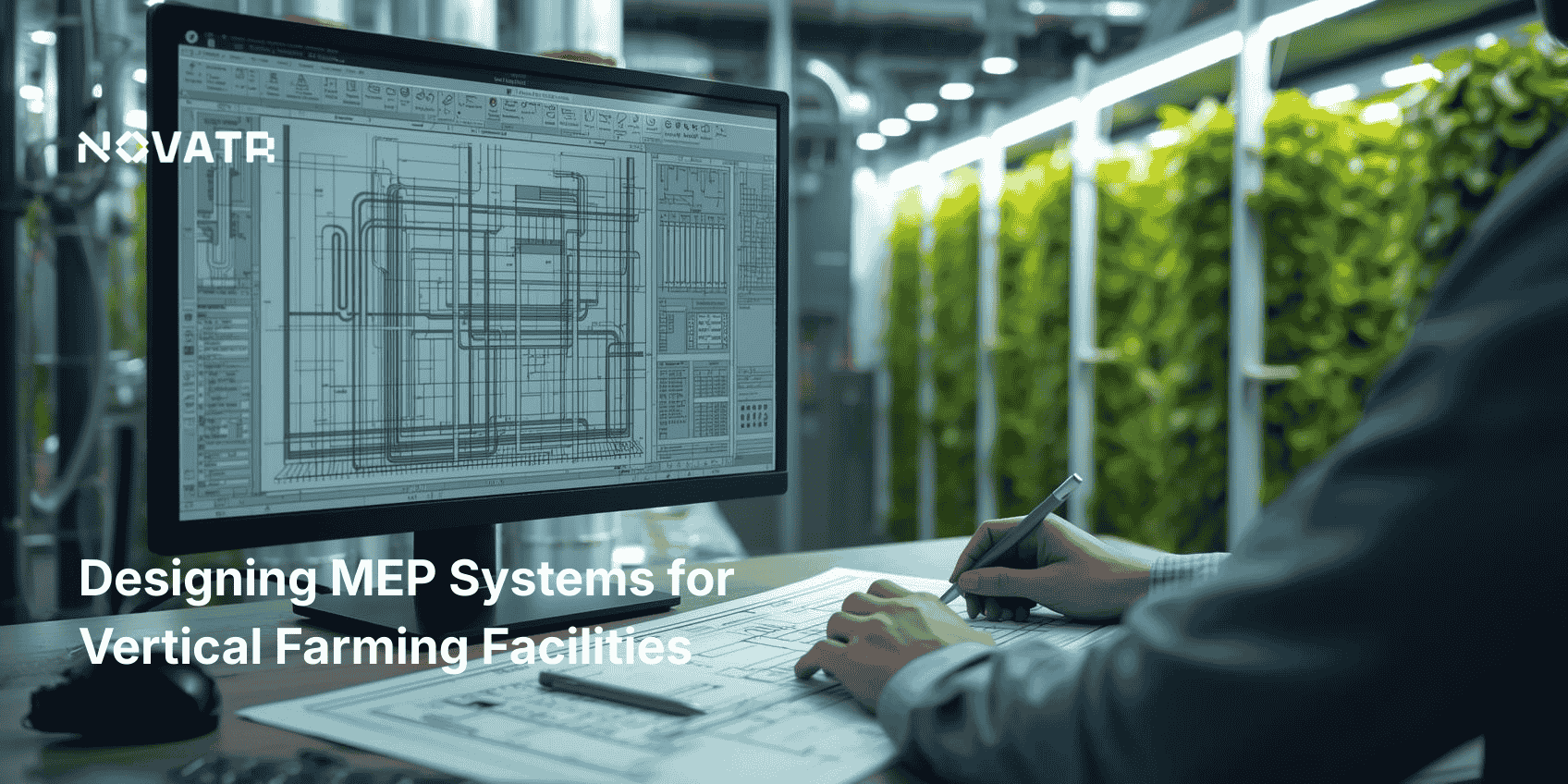

How Do MEP Systems Support the Unique Environmental Needs of Vertical Farming?
MEP systems in vertical farming facilities manage the precise conditions crops need for consistent growth. By combining air circulation, energy distribution, and water management, controlled environment agriculture systems maintain stable temperature, humidity, and nutrient delivery.
These systems address key environmental needs in several ways:
-
HVAC systems control airflow and temperature in each growing zone to keep crops within ideal growing conditions.
-
Humidity regulation maintains moisture levels tailored to different plant species, preventing stress or disease.
-
Plant growth lighting systems provide spectrum-specific illumination that supports photosynthesis and energy-efficient development.
-
Indoor farming irrigation supplies accurate amounts of water and nutrients directly to the roots for uniform growth.
-
Sensors and automation continuously monitor environmental conditions and adjust systems to maintain optimal growth.
-
Water recycling systems collect and reuse runoff, conserving water while maintaining nutrient balance.
How Are HVAC Systems Designed to Regulate Temperature, Humidity, and Air Circulation?
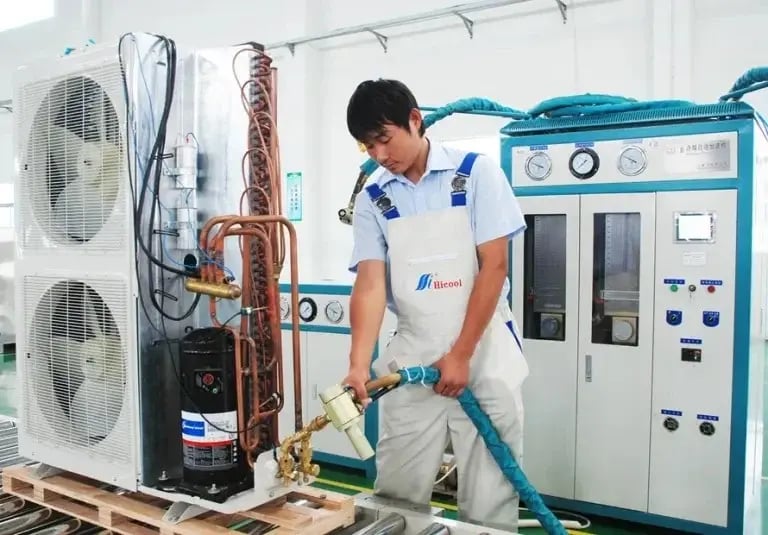
HVAC systems in vertical farming are designed to maintain consistent temperature, humidity, and air quality for each growing zone. By coordinating airflow, cooling, and dehumidification, HVAC for vertical farming ensures plants develop in stable conditions while reducing energy use and operational fluctuations.
These systems achieve precise environmental control through several methods:
-
Airflow is directed carefully to avoid hot or cold spots, ensuring uniform conditions across all stacked crop layers.
-
Separate temperature zones allow different plant types to receive ideal warmth and cooling without affecting adjacent areas.
-
Grow room HVAC design uses modular units for straightforward maintenance and easy scaling as production needs grow.
-
Humidity is continuously monitored and adjusted through MEP engineering, preventing condensation, mold, or plant stress.
-
Ventilation introduces fresh, conditioned air and removes stale air, keeping oxygen and CO₂ levels balanced.
How Is Specialized Lighting Engineered for Plant Growth and Energy Efficiency?
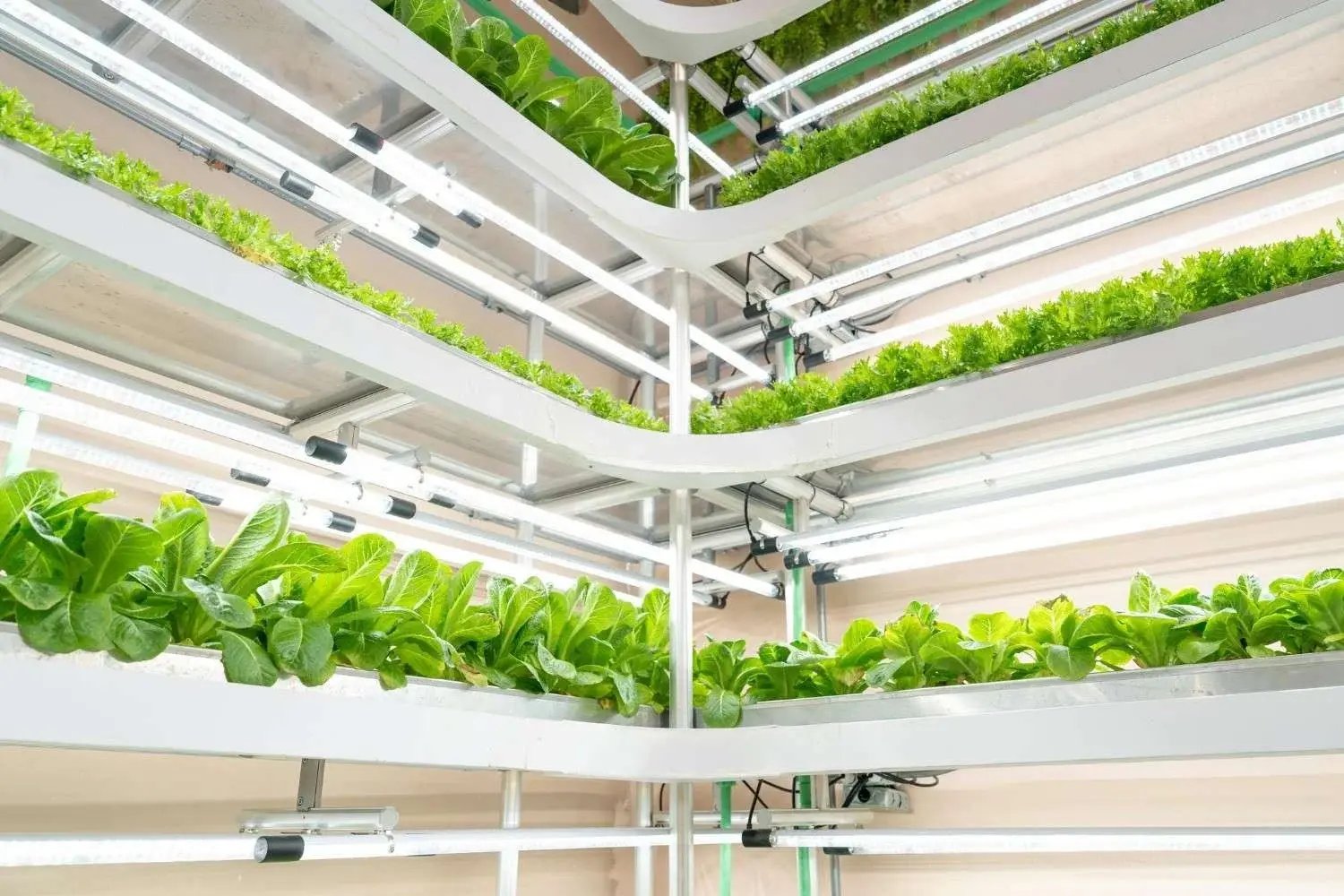
Lighting systems in vertical farming are carefully calibrated to meet plant-specific requirements while minimizing energy use. By selecting appropriate wavelengths, intensity levels, and timing schedules, specialized lighting design for plant growth ensures crops receive optimal light conditions without overconsuming power or generating excess heat.
Here’s how lighting is engineered to support plant growth and energy efficiency:
-
Light spectrum is customized to promote photosynthesis and support different growth stages for each crop.
-
Lighting schedules are set with the right intensity and duration to match plant growth patterns.
-
Energy-efficient LED systems for vertical farms deliver high light output while reducing energy consumption.
-
Fixtures are positioned to provide even light coverage across all vertical growing layers.
-
Automated systems adjust light levels in real time based on environmental conditions to optimize growth.
-
System layout and fixture placement are engineered to maximize light penetration and uniformity while minimizing wasted energy.
Did You Know?
In 2026, the global vertical farming market is estimated to be about $7.5 billion, reflecting growing adoption of controlled indoor agriculture technologies and investment in automation and energy systems.
How Do Irrigation, Water Recycling, and Nutrient-Delivery Systems Work in Indoor Farms?
Indoor farms rely on precise water and nutrient management to support plant growth. By controlling flow rates, recycling water, and delivering essential nutrients efficiently, irrigation and nutrient delivery systems for indoor agriculture ensure crops receive consistent hydration and nourishment while conserving resources and maintaining operational efficiency.
Here’s how these systems function in practice:
-
Drip and hydroponic systems deliver water directly to plant roots, reducing waste and improving how efficiently plants absorb moisture.
-
Nutrient levels are carefully monitored and adjusted to ensure plants receive the right balance for healthy growth.
-
Nutrient delivery systems automatically regulate nutrients based on the plant’s size and growth stage for consistent development.
-
Water recycling captures excess runoff, filters it, and returns it to the system, conserving water and maintaining nutrient levels.
-
Timers and sensors track water flow and soil or substrate moisture, enabling precise irrigation at the right times.
-
Systems are coordinated to demonstrate how MEP systems support indoor farming environments, ensuring water, nutrients, and energy work efficiently together.
Which Electrical and Backup Systems Are Essential for 24/7 Farm Operations?
Electrical infrastructure is essential for uninterrupted operation in vertical farms. Systems must support continuous lighting, HVAC, irrigation, and monitoring equipment. With built-in redundancies, fail-safes, and emergency support, backup power for indoor farms maintains production during power fluctuations or outages, keeping operations steady and crops protected.
Here’s how electrical and backup systems keep farms running smoothly:
-
Main power distribution panels supply electricity to all critical farm systems, ensuring consistent operation.
-
Uninterruptible power supplies (UPS) provide short-term support during minor outages, preventing equipment shutdowns.
-
Backup generators deliver emergency power during extended blackouts to maintain continuous crop growth.
-
Circuit protection and surge devices prevent equipment damage from electrical faults or spikes.
-
Energy monitoring systems track usage and identify potential overloads, enabling timely interventions.
How Do Sensors, Automation, and Controls Maintain Optimal Growing Conditions?
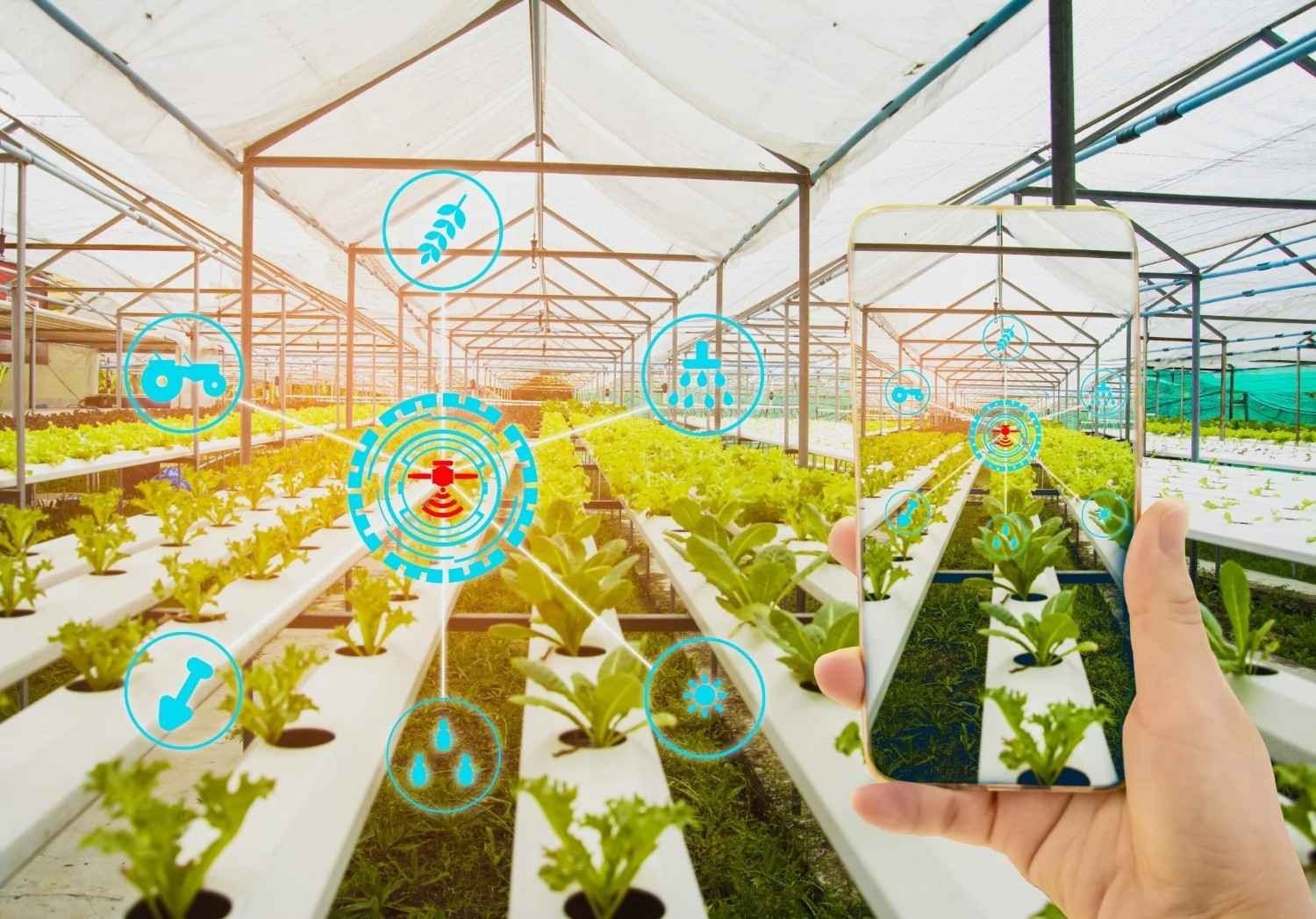
Advanced monitoring and automation systems maintain stable environments in indoor farms, ensuring consistent plant growth. Temperature, humidity, light, and nutrient levels are tracked continuously to minimize manual adjustments. Centralized control and real-time analysis help operations run efficiently while keeping environmental conditions balanced and optimal throughout the facility.
Here’s how these systems keep conditions optimal:
-
Sensors measure temperature, humidity, CO₂, and light levels across all growing zones in real time.
-
Automated controllers adjust HVAC, irrigation, and lighting systems based on sensor data to maintain stability.
-
Nutrient dosing and water flow are regulated automatically to match plant needs at each growth stage.
-
Alerts and notifications inform operators of deviations, enabling prompt corrective action.
-
Historical data logging allows analysis of trends to optimize future environmental settings.
.png)
.png)
.png)
