



Easy Ways to Learn BIM Faster and Smarter as an Architect

Learning BIM for the architects is easier when architects emphasize on real projects, workflows and hands-on practice, instead of commands of the BIM software only. When starting to learn BIM, it is crucial to understand the support that it provides to design, documentation and project coordination. BIM has proved of great value to the architecture and construction industry, particularly in the growing construction and infrastructure sector in India.

According to the Government of India, BIM can lead to a saving of up to 30% in construction cost, up to 20% in maintenance cost and on the average, save up to 39 months in complex infrastructure projects. The construction sector in India which employs more than 51 million people and contributes about 9% of the GDP is becoming more relevant to India towards building the capability of architects to use BIM.

Key Takeaways

  • Learning BIM is easier when accompanied by working on actual projects.

  • Knowing how to work the software is important, but so is understanding the workflows.

  • Architects can make the shift from CAD slowly by project based practice

  • Regular application leads to improved BIM skills.

  • Structured learning programs can accelerate professional growth.

Master BIM Before the Industry Leaves You Behind

Join 8500+ architects & engineers building high-growth careers with BIM.

Explore the Program

*Limited seats available

Why Is BIM Learning Challenging for Many Architects?
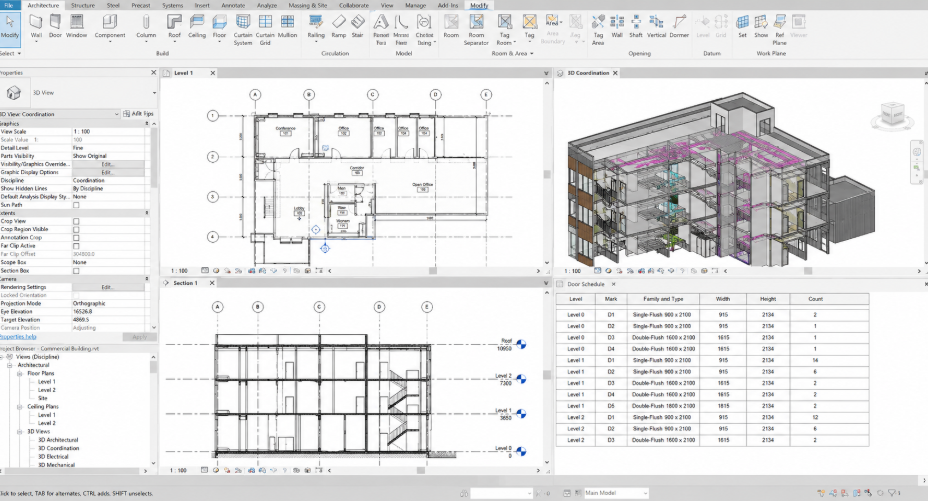
Multiple BIM project elements demonstrating the learning curve for architects.

BIM presents a new working method to many architects, which is why they struggle with it. Traditional CAD is about drawing, BIM is about creating intelligent models that automatically produces drawings, schedules and documentation.

It is not always the software that is the challenge, but rather how information can be passed around within a project. In addition to the technical learnings, architects need to master model coordination and documentation standards and how to work effectively as a team.

Several factors contribute to the learning curve:

  • Moving from 2D drafting to model-based design

  • Understanding data-rich project environments

  • Learning interdisciplinary coordination

  • Managing documentation within a BIM model

  • Adapting to new project delivery methods

Those looking for what is best way to learn BIM for beginners focus only on software training. In reality, BIM is not just a technical concept, but also a workflow concept. Understanding the value of BIM in project delivery makes the learning more meaningful and functional.

What Makes BIM Easier to Understand for Architects?
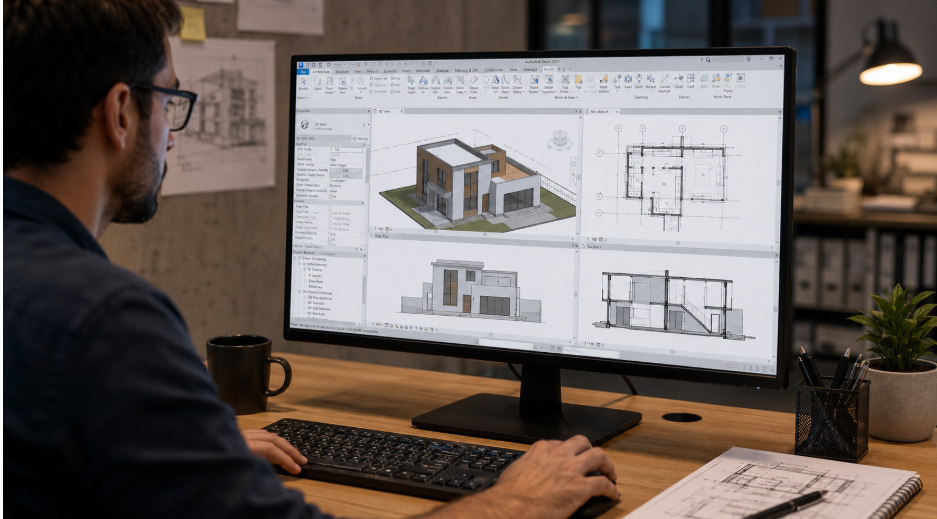
Architect learning BIM through hands-on building modeling exercises.

When the architects learn BIM in the context of real project applications, it becomes easier to understand. Learning should focus on how BIM can contribute towards design development, documentation and coordination, not memorising tools.

There are a few practices which can make the learning easier:

  • Begin simple construction projects.

  • Understand model organization

  • Learn documentation workflows

  • Practice creating schedules

  • Explore project coordination scenarios

By using realistic examples, it helps to enhance BIM learning so that the concept can be applied and reinforced easily in real world projects.

How Can Architects Transition From CAD-Based Workflows to BIM?

Architects have already been educated with design and documentation knowledge which can aid them in their BIM journey.

These are a few practices that can help ease the transition:

  • Begin with small projects

  • learn the creation of models before advanced features.

  • Have insight into project setup and organization

  • Practice documentation generation

  • Understand BIM standards and best practices

One big difference between CAD and BIM is that BIM is primarily based on the concept of creating models rather than separate drawings. When the model gets altered, the project data is automatically refreshed.

Learning BIM modelling with direct, real exercises helps solidify this idea. If you make model changes, schedules, drawings and other documentation are updated on their own for architects, so they don’t have to manually revise each sheet one by one.

As you gain more experience practitioners start to see in a more tangible way, how BIM boosts collaboration and makes the design workflow smoother across the whole project lifecycle.

What Tools, Practice Methods, and Learning Strategies Improve BIM Skills Faster?
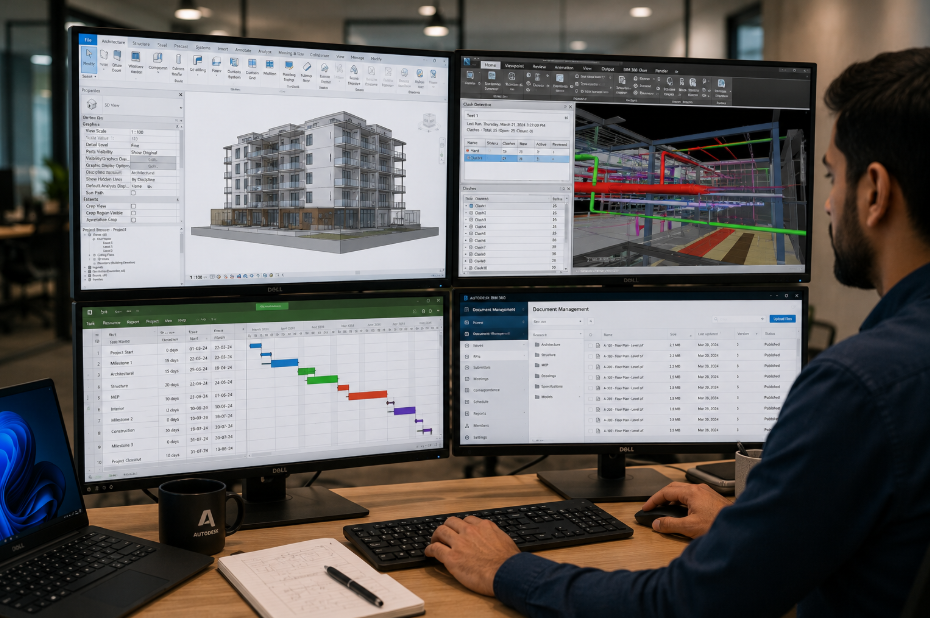
BIM software tools used for modeling, coordination, and project delivery.

Learning BIM and gaining BIM expertise takes two things; knowledge and experience. The following strategies can help to speed up progress.

Area

Recommended Approach

Benefit

Software Training

Learn industry-standard architecture software

Builds technical proficiency

Project Practice

Model complete building projects

Improves practical understanding

Coordination Exercises

Work with multidisciplinary files

Enhances collaboration skills

Documentation

Generate schedules and sheets

Strengthens delivery knowledge

Mentorship

Learn from experienced professionals

Provides industry insights

Portfolio Building

Create project case studies

Demonstrates capability

Standards Learning

Study BIM standards

Improves workflow understanding

Reviews

Evaluate completed models

Identifies improvement areas

Professionals who look into how architects can learn BIM faster usually end up noticing that actually doing projects works better , than just watching tutorials all day.

Which BIM Courses Help Architects Learn Through Real Projects and Workflows?

Architects note that learning pathways that are structured well with software guidance and genuine handson practice tend to work the best for them.

One option is the BIM Professional Program by Novatr, created for architects and other AEC professionals. It focuses on practical BIM application, and it offers guided training plus real-world project work, not just theory.

Among the program’s notable elements include:

  • More than 40 hands-on projects

  • Live online learning sessions

  • Exposure to BIM coordination and documentation workflows

  • Access to industry experts and mentors

  • Autodesk and Novatr certifications

  • Portfolio and career support

Courses that include practical project experience in the learning process can offer a better grasp of the BIM processes. This enables the learners to transfer the training to their work and gain the operational skills to get ready for their job.

Project-based learning can be a great option for architects looking for structured BIM training, helping to build confidence and understanding of workflows.

BIM is Advancing. Are You? 

Get certified, build your BIM portfolio, and a better career.

Join the Program

Conclusion

Consistent hands-on experiences, practical application and project workflows make learning BIM a much easier process for architects. The switch from the traditional methods of drafting can be daunting, but with all the knowledge already acquired it is possible to do it successfully.

The use of software training, along with project work and carefully planned learning activities, enables student architects to gain confidence and use BIM effectively within a professional setting. The top-performing learners focus on working with BIM to help deliver projects, not just as another software application. If you want to move on faster, structured programs with practical projects, like the BIM Professional Program from Novatr can provide valuable guidance and hands-on experience.

Check out our resource page for more industry insights on which to build on.

FAQs

1. How can beginners start learning BIM step by step?

You need to learn BIM basics, before learning software. Confidence is built with small projects, model creation and documentation exercises. As skills are developed, learners can now venture into larger project environments to develop the concepts of coordination and collaboration.

2. What skills do architects need before learning BIM?

Knowing design development, construction documentation, and project workflows are helpful to architects. It is not required to have any prior knowledge of BIM. Learners are good problem solvers, detail oriented and proficient with architectural processes.

3. What is the best BIM software for architects?

One of the most widely-used BIM platforms is Revit, which allows for modeling, documentation, and coordination of projects. Another version that's widely used is Navisworks. This will be based on the needs of the project, career aspirations and industry needs.

Was this content helpful to you

Dislike No

TABLE OF CONTENTS

Download Syllabus
BIM Professional Course for Civil Engineers

course benefits

40+ live & bonus sessions

1 RIBA-structured capstone project

Learn 8+ BIM software

Autodesk & NSDC certifications

6 guided career sessions

Lifelong access to course content & community

Career counselling & interview preparation

Enter your details to download the course syllabus.

Download Syllabus
BIM Professional Course for Architects V2.0

course benefits

70+ live sessions

3+ RIBA and ISO 19650 structured capstone projects

18+ BIM software access

10+ guided career sessions

Certificates from Autodesk and NSDC

Lifelong access to course content & community

Career counselling & interview preparation

Enter your details to download the course syllabus.

Download Syllabus
Master Computational Design Course for Real-World Application

course benefits

80+ live sessions

50+ assignments

5+ softwares, 15+ plugins

Career counselling and interview prep

Lifelong access to to course content & community

Enter your details to download the course syllabus.

Download Syllabus
Advanced Interior Design with AI

course benefits

Simulated project based learning

Career counselling and interview prep

Lifelong access to course content

Learn 8+ software

3 Certificates of Achievement

Enter your details to download the course syllabus.

Download Syllabus
BIM Professional course for MEP Engineers

course benefits

Autodesk and NSDC Professional Certificates

12+ BIM softwares and plug-ins

80+ hours of live classes

Create 10+ toolkits to kickstart your MEP BIM project.

Dedicated Program Manager and Industry Guide Support

1:1 Career Mentoring

Networking with AEC Industry Professionals

Top 10% learners get exclusive Innovation bootcamp access.

ISO 19650 for BIM workflows

Enter your details to download the course syllabus.

Ready to skyrocket your career?

Begin your next chapter in AEC

with Novatr!

We are here to help you take the industry by storm with advanced, tech-first skills.