

.png)

What Does Bangalore Metro Phase 3 Mean for BIM in India?
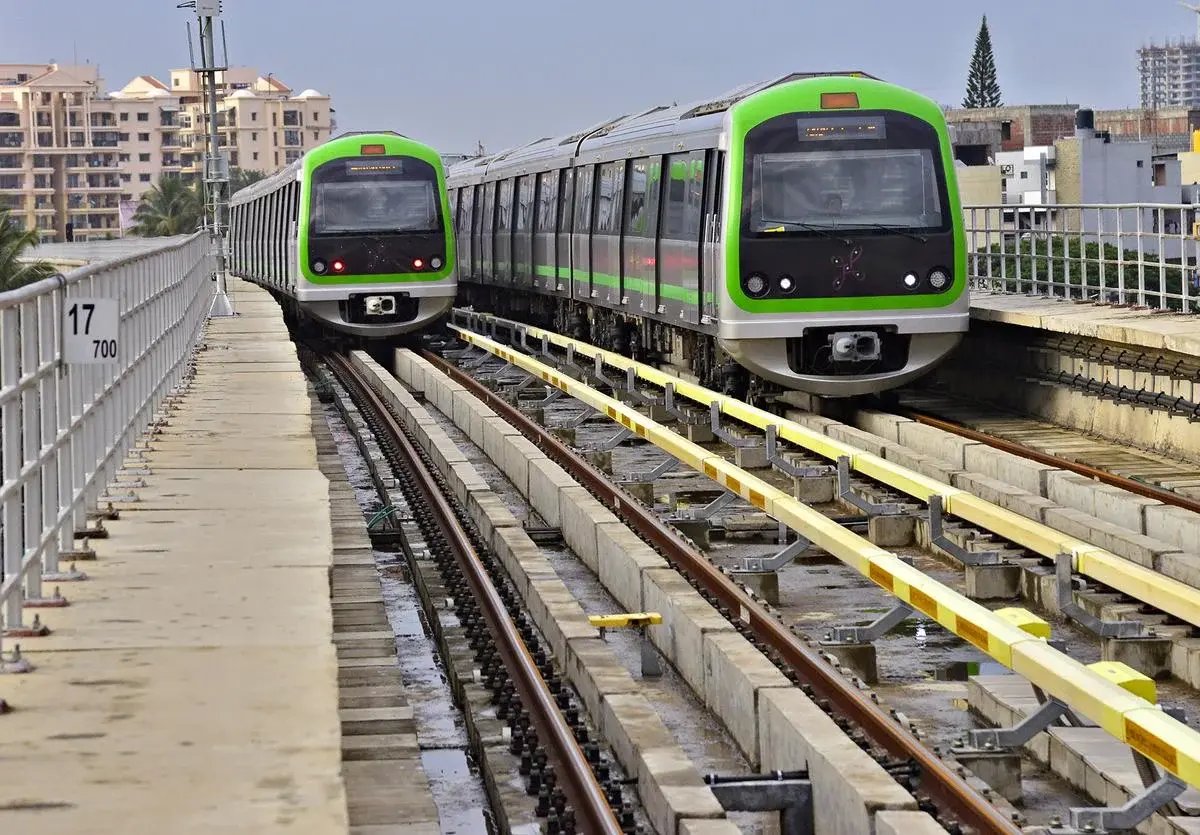
Bangalore Metro Phase 3 has set a standard, as it’s one of the first major metro rail projects in India in which digital construction and BIM coordination are mandated from the outset.
Moreover, managing 44.65 km of metro infrastructure across both elevated and underground corridors requires integrated workflows that only BIM infrastructure practices can deliver. The project's double-decker viaduct design has been thought of by keeping optimised space while maintaining structural integrity. This demands seamless project coordination across architects, engineers, and contractors.
This is transformative for BIM engineers and will expand job prospects across modeling, coordination, clash detection, and site management. The project signals a broader shift toward BIM-led delivery across future infrastructure developments in India, creating sustained infrastructure careers for professionals skilled in construction technology and digital engineering.
How Are BIM Engineers Contributing to Large Metro Projects?
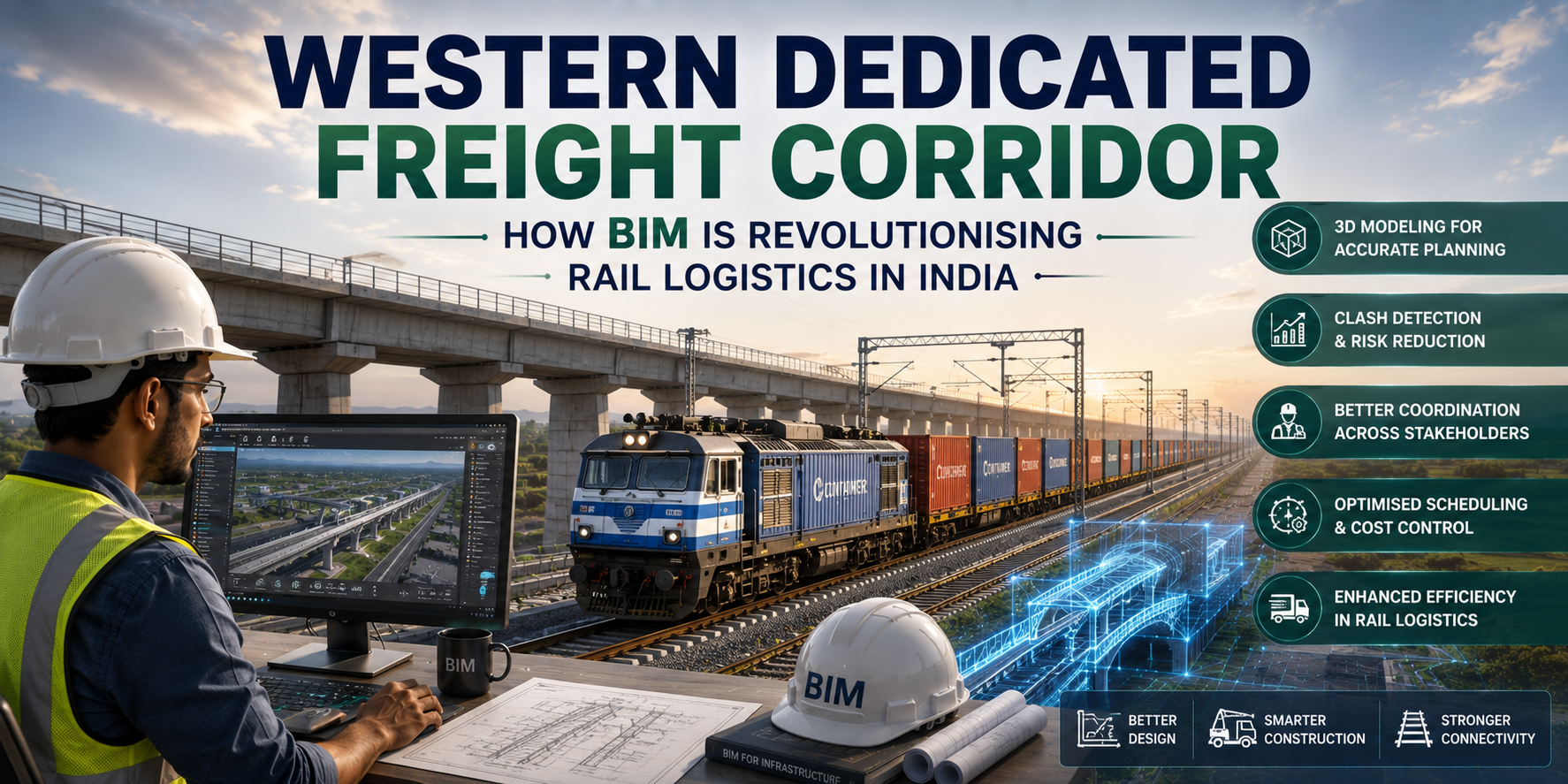
BIM engineers are transforming how metro rail projects are planned, coordinated, and delivered. This is made possible through BIM, which creates detailed 3D models of railway infrastructure, making it easier to visualise and assess design concepts. This results in the clash detection and resolution being streamlined, reducing errors and rework during construction.
Their contribution is particularly visible on projects such as Bangalore Metro Phase 3. BIM coordination enables early identification of clashes between civil structures, tunnels, utilities, and MEP systems. Detecting and resolving these conflicts during the design phase significantly reduces costly on-site modifications and construction delays.
BIM provides construction teams with intelligent 3D models that improve project visualisation and support better decision-making throughout the construction lifecycle. This is how BIM engineers contribute to large metro projects and make a tangible difference.
What Digital Construction Practices Are Being Used in Metro Development?
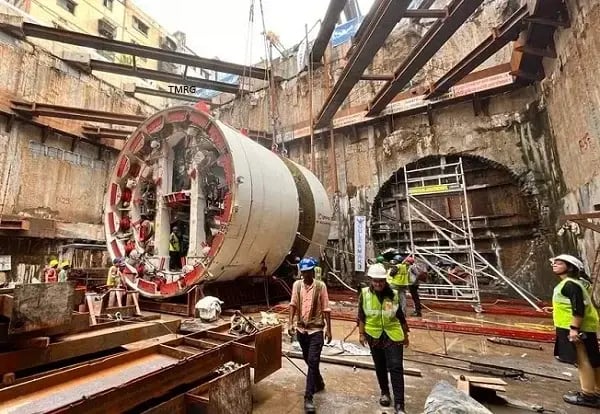
Large-scale metro construction projects such as Bangalore Metro Phase 3 are increasingly adopting digital construction practices to improve efficiency, reduce rework, and enhance collaboration across teams. Some of the most widely used practices include:
-
3D BIM Modeling to create detailed digital representations of stations, tunnels, viaducts, and other transportation infrastructure assets.
-
4D Construction Planning to link project schedules with BIM models and visualise construction sequences before work begins.
-
Clash Detection to identify and resolve design conflicts early, reducing costly site issues.
-
BIM Coordination to improve project coordination between architectural, structural, and MEP teams working on complex engineering projects.
-
Common Data Environments (CDEs) to centralise project information and enable real-time collaboration.
-
Digital Engineering Workflows to support data-driven decision-making throughout the project lifecycle.
Together, these construction technology practices are transforming how infrastructure projects are planned, coordinated, and delivered. As digital construction practices become standard across infrastructure projects, demand for skilled BIM engineers is rising, creating new BIM jobs and long-term infrastructure careers in the sector.
Why Is Infrastructure BIM Becoming a Major Career Opportunity?
The rapid expansion of infrastructure projects across India is driving demand for professionals with expertise in BIM, digital engineering, and project coordination. As governments and private organisations invest in metro rail, highways, airports, and other transportation infrastructure, project teams need skilled talent to manage increasingly complex digital workflows.
BIM engineers play a critical role in design coordination, model management, clash detection, and project coordination, helping teams deliver projects more efficiently. With digital construction and advanced construction technology becoming standard across large-scale engineering projects, BIM expertise is no longer limited to building projects.
This shift is creating a growing number of BIM jobs across planning, design, and construction functions. For professionals seeking future-focused infrastructure careers, BIM offers the opportunity to work on high-impact projects that shape the next generation of smart infrastructure while building expertise in one of the industry's fastest-growing fields.