

What Is Advanced Plumbing Design In The Context Of MEP Projects?
Advanced plumbing design involves planning and optimizing piping systems, water distribution, and fixture placement to ensure efficiency, safety, and reliability. By integrating techniques like pressure balancing, flow analysis, and system simulations, engineers improve performance while reducing waste and operational issues. Expertise in advanced HVAC and plumbing ensures these systems are precise, durable, and cost-effective.
Role of Advanced Plumbing Design in MEP Projects:
-
Provides accurate piping layouts that coordinate seamlessly with electrical and mechanical systems.
-
Reduces installation conflicts through detailed planning and digital modeling.
-
Optimizes water pressure and flow for consistent performance across all building levels.
-
Promotes efficient water and energy use by applying optimized designs and planning consistent with MEP engineering standards.
-
Supports maintenance efficiency by allowing easier access to valves, pumps, and controls.
-
Improves system performance and reduces long-term operational issues using smart monitoring and plumbing engineering practices.
Which Modern Techniques Are Improving Plumbing System Efficiency And Performance?
Effective plumbing planning combines precise design, innovative methods, and digital modeling throughout installation. These strategies optimize water flow, reduce energy use, and maintain reliable operation. Smart plumbing technologies for MEP engineers enhance accuracy, streamline control, and support long-term operational effectiveness across complex building projects.
Below are the modern techniques currently shaping plumbing system efficiency and performance:
-
3D modeling and simulation to map piping layouts accurately and minimize installation errors.
-
Prefabrication of plumbing components to streamline construction, reduce on-site mistakes, and maintain uniform quality.
-
Real-time monitoring systems that track water usage and highlight inefficiencies early.
-
Advanced pressure and flow management devices ensuring steady water distribution in complex buildings.
-
Use of AI-assisted plumbing design and clash detection for precise coordination with other building systems.
-
Smart sensor integration to automate water management, detect leaks, and optimize energy and water consumption.
How Do Water Conservation And Sustainability Influence Plumbing Design Choices?
Water conservation and sustainability in plumbing design focus on creating systems that use resources efficiently while supporting long-term building performance. Engineers plan layouts, manage flow, and consider energy use to reduce unnecessary waste. These designs balance operational efficiency with environmental responsibility, ensuring buildings function reliably. By integrating sustainable principles, plumbing systems can lower costs, maintain consistent performance, and support broader MEP coordination, contributing to smarter, eco-friendly, and efficient infrastructure in modern construction projects.
The following strategies demonstrate how water conservation and sustainability shape plumbing design decisions:
-
Low-flow fixtures are used to reduce water consumption while ensuring consistent comfort and functionality for users.
-
Greywater and rainwater recycling systems capture and reuse water for non-potable applications, lowering overall demand.
-
Efficient piping layouts are designed to minimize water loss and reduce the energy needed for distribution.
-
Smart meters and monitoring systems track consumption patterns and quickly detect leaks to prevent wastage.
-
Durable, eco-friendly materials are selected to reduce environmental impact and limit long-term maintenance needs.
Did You Know?
Smart plumbing systems and water‑efficient fixtures can reduce water usage by up to 30% in buildings, significantly cutting waste and supporting sustainability in advanced plumbing design.
What Software Tools Assist In Advanced Plumbing Modeling And Simulation?
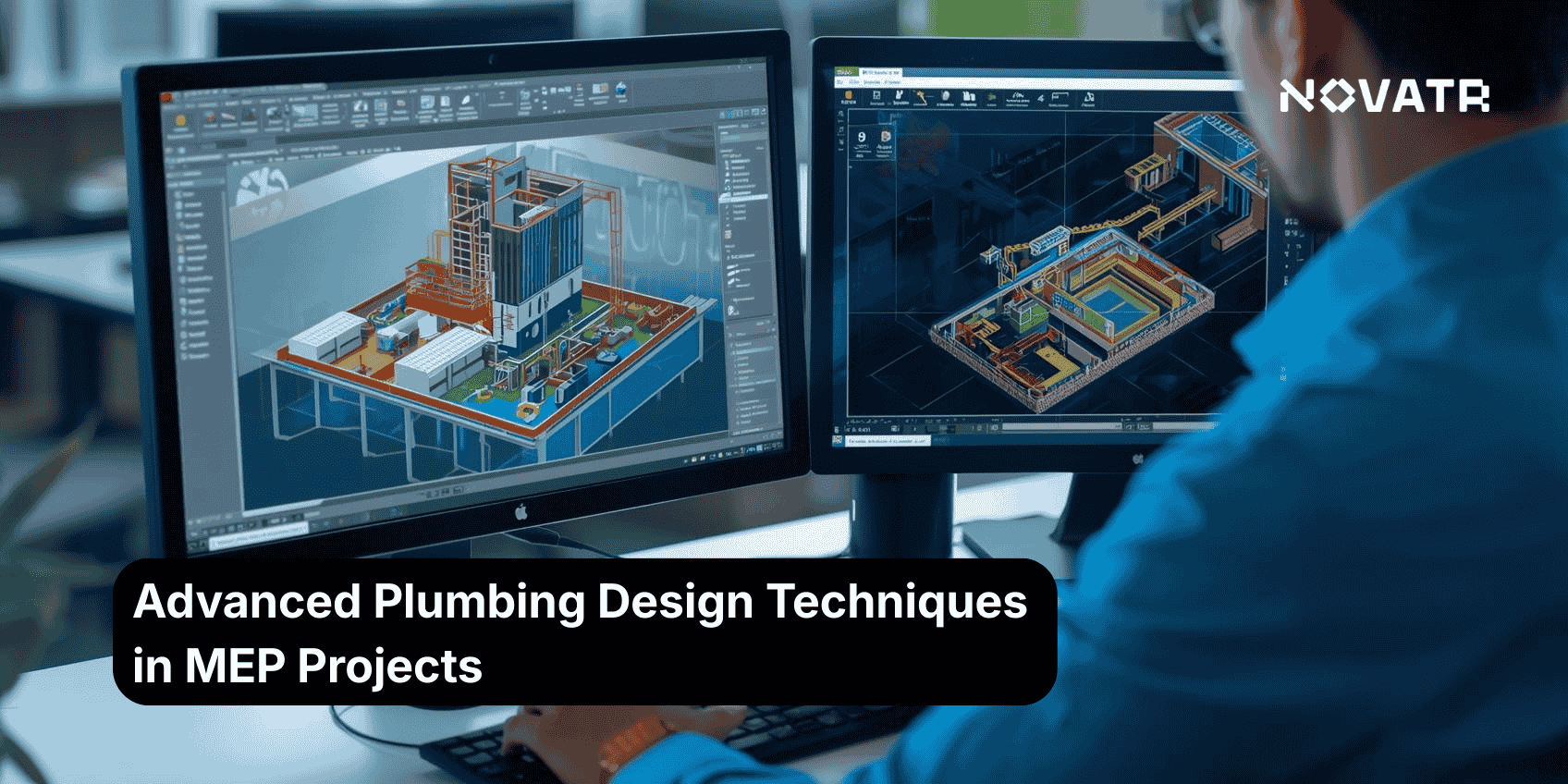
Advanced plumbing modeling and simulation depend on digital tools to plan layouts, analyze flow, and predict system performance before installation. By incorporating revit plumbing design workflows for MEP engineers, teams can streamline planning, enhance collaboration, and maintain consistent control over complex plumbing projects.
The following software tools are widely used to assist in advanced plumbing modeling and simulation:
-
Autodesk Revit: Provides 3D modeling of piping networks, enabling clash detection and precise layout visualization.
-
AutoCAD MEP: Supports calculations for pressure, flow, and load, helping optimize plumbing system performance.
-
Navisworks: Integrates models from multiple disciplines to coordinate plumbing design with mechanical and electrical systems.
-
Bentley OpenBuildings Designer: Offers real-time collaboration, annotation, and revision tracking for complex plumbing projects.
-
Trimble SysQue: Facilitates automated reporting, design validation, and documentation to ensure compliance and efficiency.
How Does BIM Integration Enhance Coordination And Clash Detection In Plumbing Design?
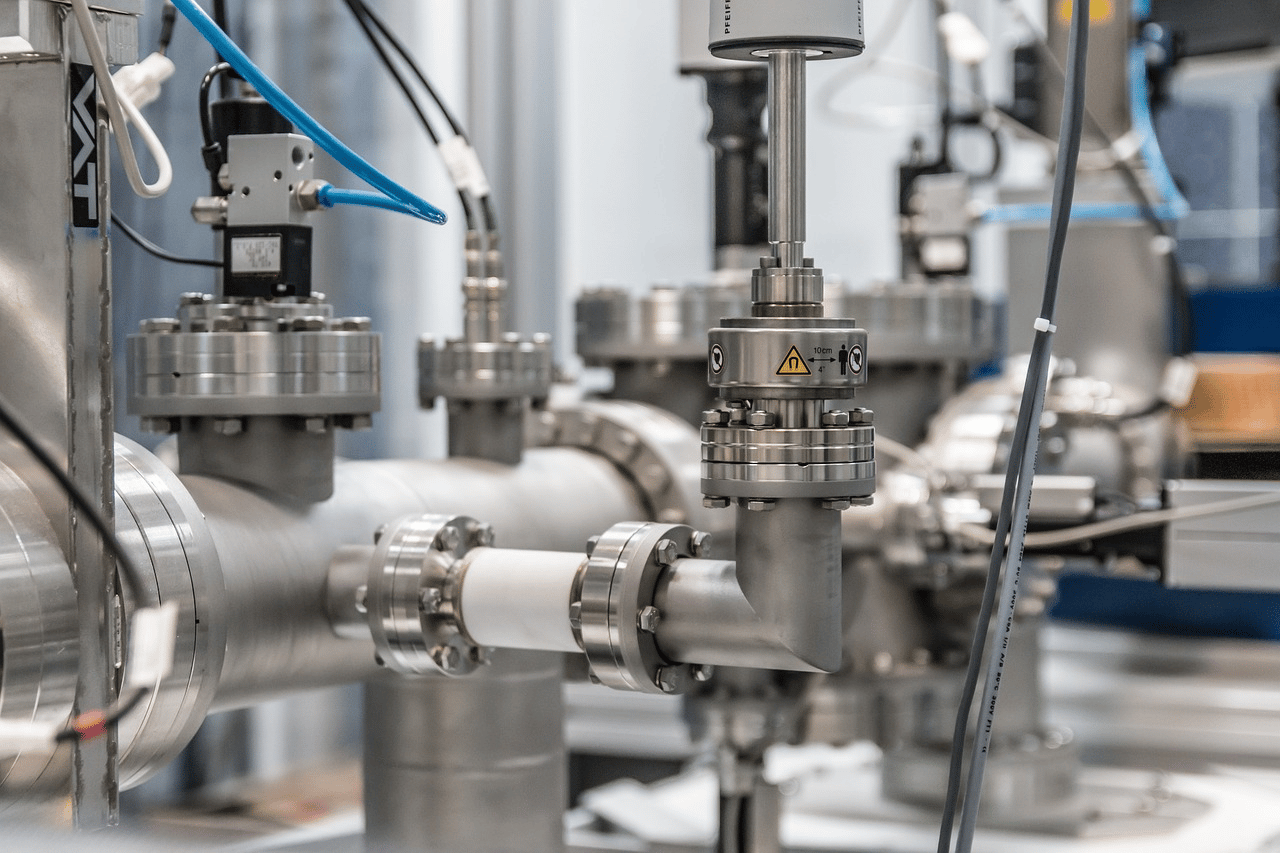
BIM integration enables design teams to visualize plumbing layouts clearly, anticipate potential conflicts, and coordinate effectively across disciplines. By streamlining communication and providing a digital framework for modeling, it reduces errors and supports efficient planning. Programs like the BIM Course for MEP Engineers by Novatr help professionals understand these processes, improving design accuracy and overall project quality. This approach ensures plumbing systems are well-coordinated, reliable, and easier to manage throughout construction.
The following strategies highlight how BIM integration enhances plumbing design coordination and clash detection:
-
Facilitates 3D visualization of complex plumbing layouts, improving spatial awareness and design accuracy.
-
Detects potential clashes early between plumbing, mechanical, and electrical systems to avoid costly rework.
-
Allows multi-disciplinary collaboration and centralized model updates to maintain design consistency.
-
Enables simulation of system performance under various conditions for optimized planning.
-
Integrates scheduling and sequencing to coordinate installation efficiently across teams.
-
Supports BIM integration for plumbing design optimization by automating validation and ensuring compliance with standards.
.png)
.png)