

.png)

What Is Additive Manufacturing in MEP and How Is It Changing Component Production?
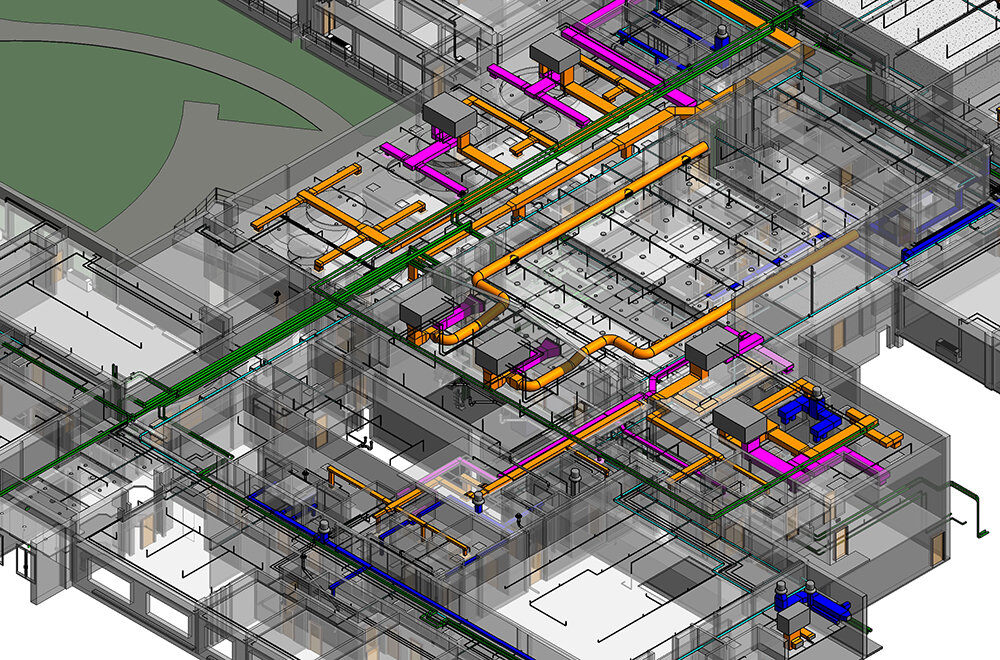
Additive manufacturing refers to creating components layer by layer using digital models. In MEP systems, this method is replacing conventional fabrication processes where cutting, welding, and assembly were required.
Key ways it is changing production:
-
Direct digital fabrication
Designs from BIM models are directly sent to printers, reducing manual interpretation errors.
-
Complex geometry production
Components that were difficult to manufacture using traditional methods can now be produced easily.
-
Reduced material waste
Only the required material is used, so there is less leftover than with subtractive methods.
-
Faster prototyping
Designs can be tested for changes before moving to production.
-
Localized manufacturing
Components can be printed closer to the site, which reduces transportation time.
This approach makes construction technology more efficient by bringing design and fabrication closer together. As a result, additive manufacturing is becoming a core part of construction innovation in MEP engineering.
How Are 3D-Printed Fittings and Junctions Replacing Traditional MEP Fabrication Methods?
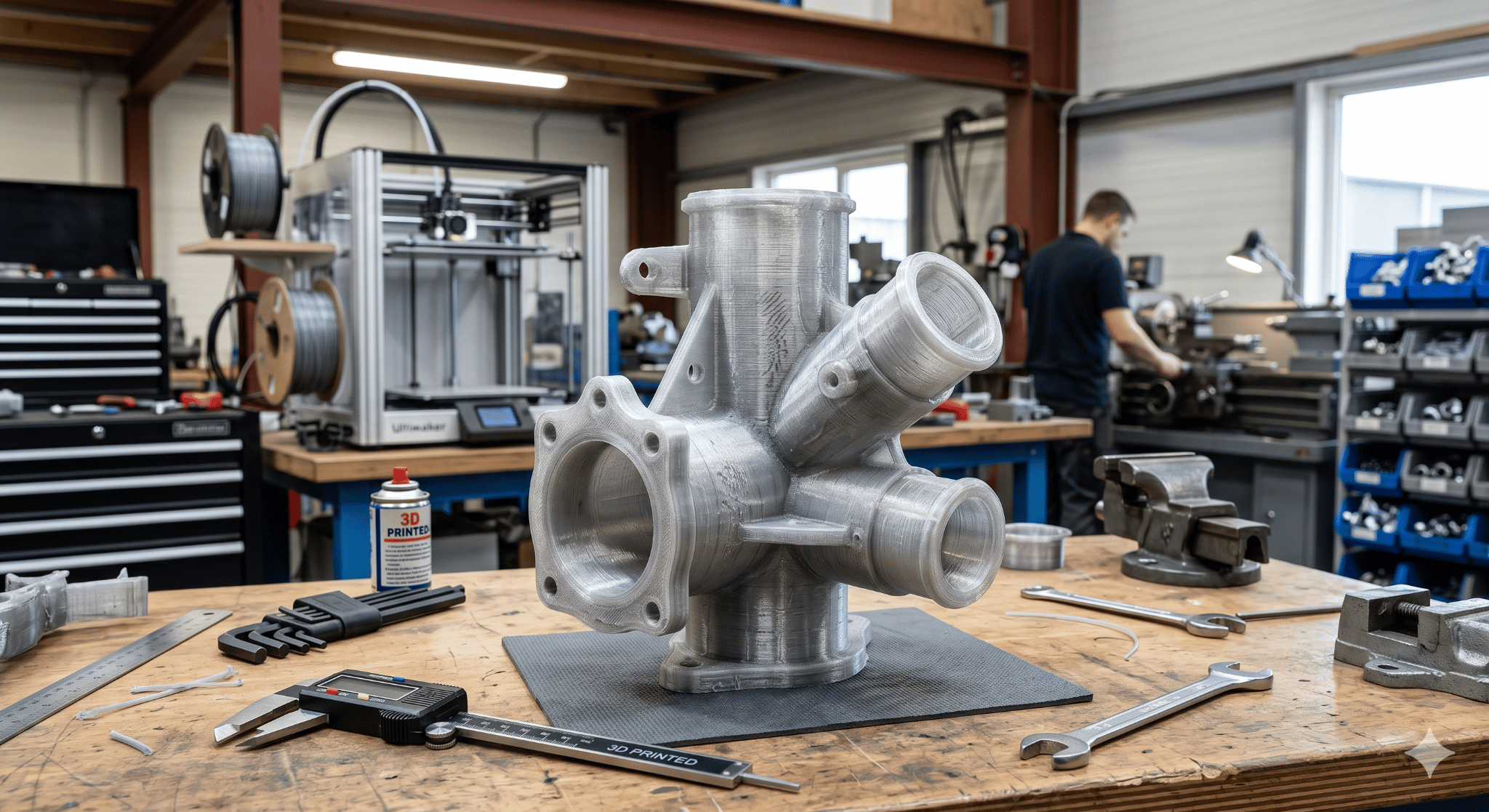
Fittings and junctions are core parts of MEP systems and need proper alignment. In traditional fabrication, there are usually multiple steps along with adjustments on site.
With 3D printing, the approach is more direct:
-
Single-piece production
Complex junctions can be produced as a single unit rather than by joining several parts.
-
Improved accuracy
They follow digital models, so dimensions stay consistent, and site errors are reduced.
-
Less dependency on skilled labor
Manual work is less as machines handle most of the process.
-
Better coordination with design
Components follow BIM models, so they fit better and lowers clashes.
-
Reduced rework
Better fitting means fewer changes are needed during installation.
It reduces delays, improves installation quality, and supports modular construction with ready components.
What Types of Ducts and HVAC Components Are Now Being 3D Printed for Buildings?
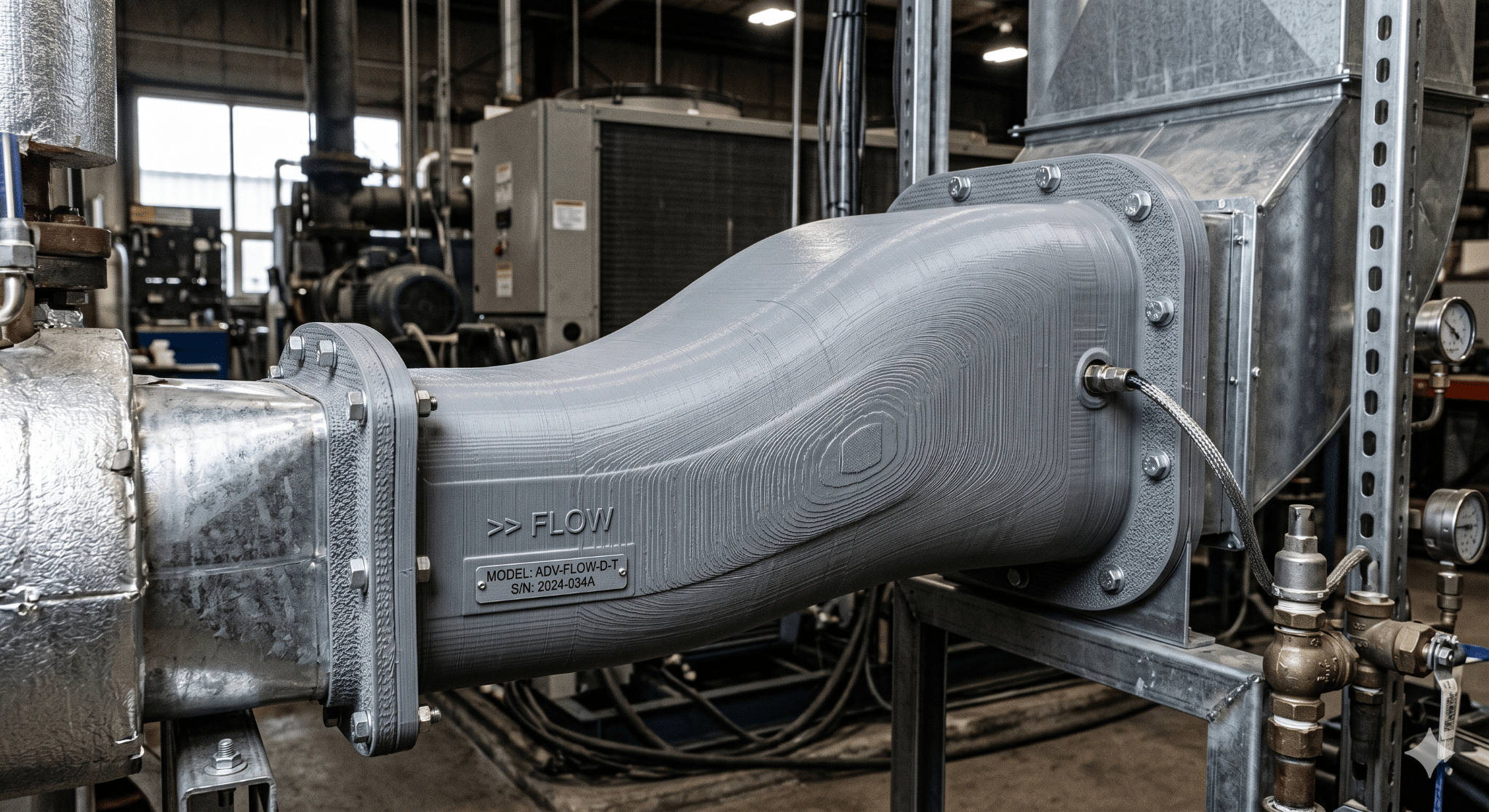
3D printing is now used more in HVAC design and production, especially where custom solutions are needed.
Common 3D printed HVAC and duct components include:
-
Air ducts with optimized airflow shapes
Shapes are adjusted to reduce resistance and improve efficiency.
-
Custom diffusers and vents
Made to suit specific room layouts and airflow needs.
-
Compact duct connectors
Used in tight spaces, especially in urban buildings.
-
Insulated duct sections
Printed with built-in thermal properties.
-
Fan housings and casings
Produced with lightweight yet durable materials.
These applications show how additive manufacturing is supporting better performance in HVAC systems. It also allows engineers to rethink traditional designs and improve energy efficiency through optimized shapes and layouts.
Which Materials Are Used in 3D Printing MEP Components for Structural and Thermal Performance?
Material choice affects how 3D printed MEP components work. Different systems need properties like strength, heat resistance, or flexibility.
Common materials include:
-
Thermoplastics (ABS, PLA, PETG)
Seen in lightweight parts and electrical conduits.
-
Nylon-based materials
Seen in mechanical parts where strength and durability matter.
-
Metal powders (steel, aluminum)
Used in parts that carry higher loads.
-
Composite materials
Help combine strength and thermal resistance in HVAC components.
-
Heat-resistant polymers
Suitable for high-temperature environments in building systems.
These materials allow additive manufacturing to meet both structural and thermal requirements. As material technology improves, more advanced applications in MEP engineering are becoming possible.
How Do 3D-Printed MEP Components Integrate With Existing BIM and Fabrication Workflows?
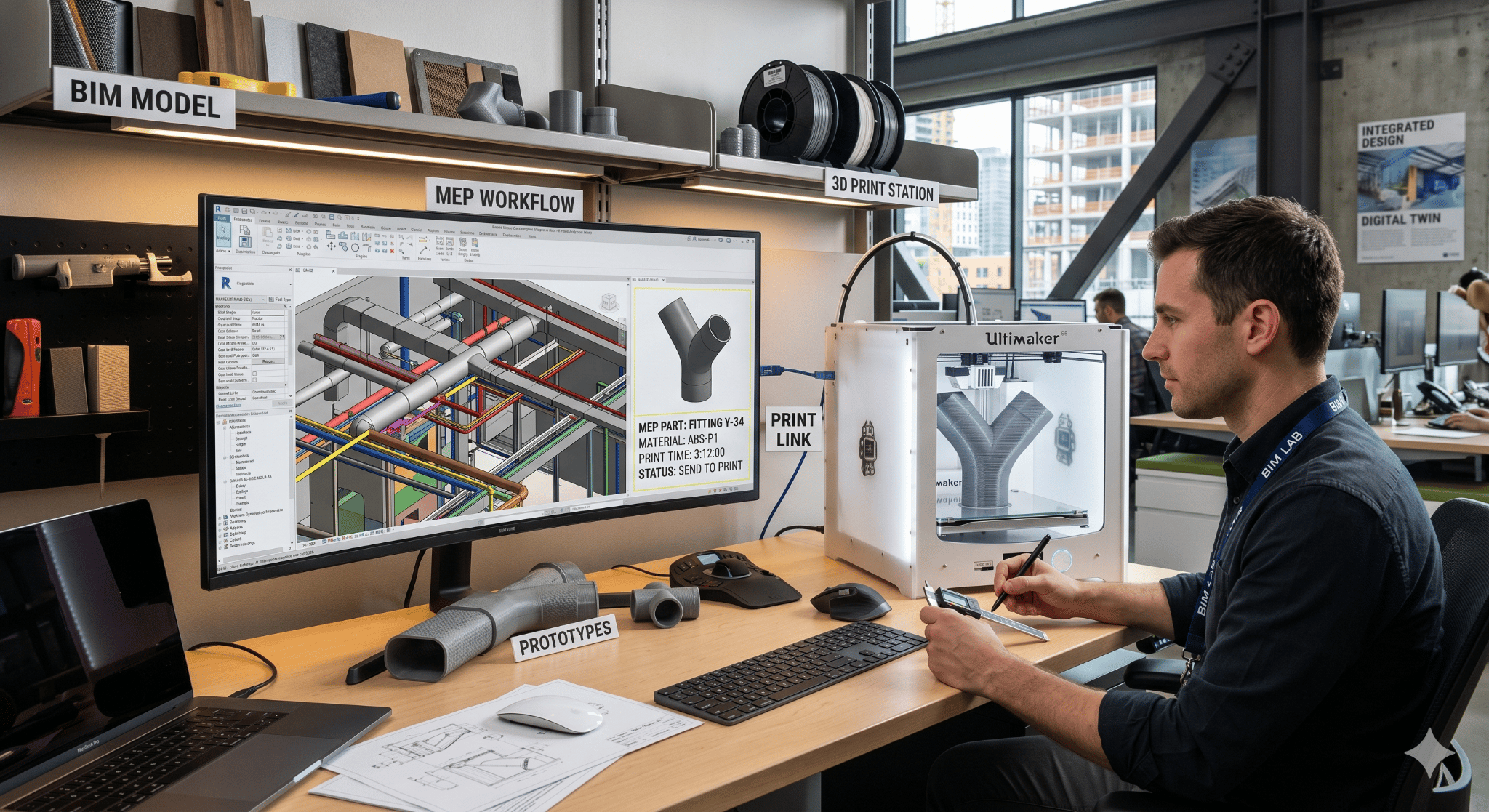
Integration with BIM is a major advantage of digital fabrication in MEP systems. It helps keep design and execution in sync during the project.
Key integration aspects include:
-
Model-to-manufacturing workflow
BIM models can be turned into printable formats directly.
-
Clash-free fabrication
Components follow coordinated models, which helps reduce conflicts.
-
Improved documentation
Digital records of components are kept for future use.
-
Better coordination across teams
Architects, engineers, and contractors work on the same data.
-
Support for prefabrication and modular construction
Components can be printed and assembled off-site.
This helps MEP components get produced accurately and installed more efficiently. It also supports prefabrication in modern construction.
How Does Additive Manufacturing Reduce Lead Times and Cost in MEP Projects?
Time and cost are ongoing concerns in construction, particularly in MEP systems where delays affect different trades. Additive manufacturing helps handle these challenges.
Key benefits include:
-
Faster production cycles
Components can be printed in hours rather than days.
-
Reduced inventory requirements
Parts are made when needed, so storage stays lower.
-
Lower labor costs
Less manual fabrication is needed as much of the work is automated.
-
Minimized transportation costs
Production closer to site helps reduce logistics effort.
-
Less material wastage
Material use stays controlled, which helps reduce overall cost.
These benefits make 3D printing a useful option for improving efficiency in MEP engineering. Over time, it can reduce timelines and overall costs.
What Are the Current Limitations and Future Potential of 3D-Printed MEP Components?
3D printing has some clear advantages, but it also has some drawbacks.
Current limitations are:
-
High initial investment
Equipment and setup can be expensive at the start.
-
Material Limitation
Some materials, like basic plastic, are not suitable for MEP design.
-
Regulatory challenges
There are still no fixed standards for 3D printed building components.
-
Production scale constraints
Larger components often still depend on traditional methods.
Future potential:
3D-printed MEP components are likely to see wider use in modular construction, where prefabricated parts can be installed more quickly. Better materials will allow use across more systems, while integration with smart systems may add performance tracking. As workflows improve, automation in design and fabrication is expected to grow.
Overall, additive manufacturing is likely to play a bigger role in construction innovation, especially in MEP systems.
.jpg)
.png)