---
title: The Rising Demand for BIM Professionals in 2026
description: Explore the rise of BIM careers and the factors driving demand for skilled professionals across architecture, engineering and construction.
image: https://blog.novatr.com/hubfs/Demand%20for%20BIM%20in%20the%20AEC%20industry.webp
---
[Blogs](https://www.novatr.com/learning-hub)
- [Architecture & Construction](https://www.novatr.com/learning-hub?category=Architecture+%26+Construction)
- [BIM](https://www.novatr.com/learning-hub?category=BIM)
- [Computational Design](https://www.novatr.com/learning-hub?category=Computational+Design)
- [Company News](https://www.novatr.com/learning-hub?category=Company+News)
- [Expert Talks](https://www.novatr.com/learning-hub?category=Expert+Talks)
Explore Courses
[Just Launched  BIM Professional Program v.2026 Take your career to the next level by mastering the real-world application of BIM. Know More](https://www.novatr.com/courses/bim-professional-program)
[ Master Computational Design Course Break into an advanced career by learning to apply the power of computation to the art of design. Know More](https://www.novatr.com/courses/computational-design)
[Blogs](https://www.novatr.com/learning-hub)
Explore Blogs
- [Architecture & Construction](https://www.novatr.com/learning-hub?category=Architecture+%26+Construction)
- [BIM](https://www.novatr.com/learning-hub?category=BIM)
- [Computational Design](https://www.novatr.com/learning-hub?category=Computational+Design)
- [Company News](https://www.novatr.com/learning-hub?category=Company+News)
- [Expert Talks](https://www.novatr.com/learning-hub?category=Expert+Talks)
Courses
- [BIM Professional Program v.2026](https://www.novatr.com/courses/bim-professional-program)
- [Master Computational Design](https://www.novatr.com/courses/computational-design)
- [BIM/](https://www.novatr.com/learning-hub?category=BIM)
Featured Article
# What is Driving the Growing Demand for BIM Professionals?

Bandana Singh
August 25, 2026
8 min read

India’s AEC sector is moving towards more connected and technology-led ways of working, making BIM an important part of the future of construction. As projects become larger and more complex, companies need professionals who can manage digital models, coordinate different disciplines and support better project decisions. This shift is particularly relevant across the AEC industry, where digital tools are changing how teams plan, design and deliver projects.
[KPMG’s Global Construction Survey,](https://assets.kpmg.com/content/dam/kpmg/be/pdf/BE-2023-Global-Construction-survey.pdf) India edition found that 84% of respondents considered BIM an important differentiating technology, while 27% had adopted it across all their projects. This growing focus is creating opportunities across architecture, engineering, construction and project management.
For professionals, understanding where BIM is heading and which skills employers value can help them prepare for the new roles emerging across India’s construction sector.
## **Key Takeaways**
- [Building Information Modeling](https://www.novatr.com/blog/what-is-building-information-modeling-bim) is becoming central to modern project delivery, increasing demand for skilled professionals.
- Complex projects and digital construction workflows are creating more BIM jobs across the AEC sector.
- AI, Digital Twins and cloud tools are expanding the scope of BIM beyond traditional modelling.
- Roles such as BIM Engineer, BIM Architect, BIM Coordinator and BIM Manager offer growing career opportunities.
- Practical BIM skills, project knowledge and technology awareness are increasingly valuable for long-term BIM careers.
Master BIM Before You Fall Behind
Join 8500+ AEC professionals building BIM careers.
Explore the Program
## **Why is Demand for BIM Professionals Growing Worldwide?**
The global construction sector is becoming more digital, and BIM is increasingly being used to manage complex projects with greater accuracy and coordination. This is creating a wider need for professionals who can connect design, data and delivery.
- **More Complex Projects:** [Large infrastructure projects](https://www.novatr.com/blog/impressive-architecture-mega-projects) involve multiple teams, disciplines and locations, increasing the need for professionals who can coordinate information through BIM.
- **Digital Project Delivery:** Construction firms are moving away from fragmented processes towards connected digital workflows, creating demand for people with practical BIM experience.
- **Changing Architectural Practices:** Modern architect teams are using BIM to develop coordinated designs, assess options and share information more efficiently throughout a project.
- **Better Project Outcomes:** BIM can help teams identify coordination issues earlier, reduce rework and make project information easier to manage.
- **Growing Skills Gap:** As BIM adoption expands, employers need professionals who understand both AEC processes and digital tools, particularly for coordination, modelling and information management roles.
## **How are BIM Adoption, Infrastructure Projects, and Industry Requirements Creating New Opportunities?**
As BIM becomes part of project requirements rather than an optional tool, its impact is being felt across different parts of the built environment. From public infrastructure to private developments, changing project expectations are creating more scope for professionals with practical BIM knowledge.
| **Industry Driver** | **How it is creating opportunities** |
| --- | --- |
| **Government Mandates** | BIM requirements for public projects are encouraging contractors, consultants and design firms to build stronger digital delivery capabilities, increasing BIM hiring. |
| **ISO 19650** | Organisations working with structured information management need professionals who [understand BIM processes](https://www.novatr.com/blog/bim-processes-in-construction-project-lifecycle), documentation, common data environments and information standards. |
| **Public Infrastructure** | Large transport and infrastructure programs require coordinated information across multiple disciplines, creating demand for BIM modellers, coordinators and managers. |
| **Owner Expectations** | Clients increasingly expect accurate digital information that can support design decisions, construction and asset management beyond project completion. |
| **Transportation** | Railways, airports, highways and metro projects rely on multidisciplinary coordination, opening opportunities for professionals with infrastructure-focused BIM experience. |
| **Commercial Buildings** | Complex commercial developments require coordinated architectural, structural and MEP models, creating demand for BIM specialists alongside traditional [architecture jobs](https://www.novatr.com/blog/highest-paying-career-paths-for-architects). |
| **Healthcare** | Hospitals and healthcare facilities involve complex services and strict project requirements, making accurate BIM coordination particularly valuable. |
| **Data Centres** | Highly technical data centres require close coordination between architecture, structure and building services, increasing the need for specialised BIM expertise. |
| **Industrial Facilities** | Factories and industrial projects involve complex systems and equipment, creating opportunities for professionals who can manage detailed, coordinated digital models. |
| **Smart Cities** | Connected infrastructure and digital asset management are increasing the need for professionals who understand how BIM data can support wider urban development. |
## **Why are AEC Companies Expanding Their BIM Teams and Adopting Emerging Technologies?**
**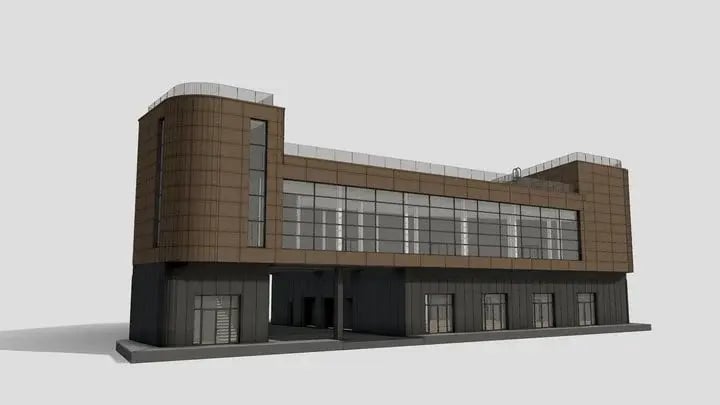**
As projects become more complex, AEC companies are using BIM alongside newer technologies to improve coordination, control costs and make better project decisions. This is also changing the skills companies look for when building their digital teams.
- ### **Better Multidisciplinary Coordination**
Large projects bring architects, engineers, contractors and specialist teams together, often working on different parts of the same development. BIM teams help coordinate these inputs, identify conflicts earlier and keep project information aligned. This can reduce avoidable rework and make communication between disciplines more straightforward.
- ### **Greater Project Efficiency and Cost Control**
Digital models give project teams a clearer view of design information before work reaches site. When combined with quantity data and project planning, BIM can support more informed decisions around materials, sequencing and costs. This is particularly valuable for complex projects where small design changes can have wider financial consequences.
- ### **Supporting Sustainable Delivery**
Sustainability is becoming a practical project requirement rather than simply a design ambition. BIM can help teams assess materials, building performance and design options earlier in the process. Better information also supports decisions that can reduce waste and improve resource use, strengthening the [role of BIM](https://www.novatr.com/blog/bim-in-india) within modern construction technology.
- ### **The Rise of Digital Twins**
Digital Twins take connected project information beyond the construction stage by creating a digital representation of a physical asset. When supported by reliable BIM data, they can help owners monitor buildings and infrastructure, plan maintenance and make better operational decisions. This is expanding opportunities for professionals beyond traditional modelling roles.
- ### **AI and Automation Are Changing BIM Workflows**
AI and automation are taking on repetitive tasks such as data processing, model checking and information management. Rather than replacing BIM professionals, these technologies are changing the skills expected from them. Professionals who understand how to use automation while applying sound AEC judgement can add greater value to project teams.
- ### **Reality Capture and Cloud Collaboration**
Laser scanning, photogrammetry and other reality-capture methods allow teams to create digital representations of existing conditions. Cloud platforms then make it easier for project participants to access and update information from different locations. Together, these tools support faster collaboration and more informed decision-making.
- ### **Moving Towards Smart Construction**
The combination of BIM, AI, automation, connected data and cloud platforms is pushing the industry towards smart construction. As these technologies become more closely integrated, companies need professionals who can understand not just individual tools, but how digital systems work together across the project lifecycle.

## **How Can Professionals Position Themselves for Growing BIM Opportunities?**
The rise of digital project delivery is creating more opportunities for professionals who can combine AEC knowledge with strong BIM skills. Instead of focusing only on software proficiency, it helps to understand where the industry is heading and what employers expect from different roles.
### **Explore Roles with Long-Term Potential**
BIM is opening up career paths at different levels of responsibility. Professionals can consider roles such as:
- **BIM Engineer:** Works with digital models, technical information and multidisciplinary project requirements.
- **BIM Architect:** Uses BIM to develop, coordinate and manage architectural design information throughout a project.
- **BIM Coordinator:** Brings different disciplines together, identifies coordination issues and supports smoother project delivery.
- [**BIM Manager**](https://www.novatr.com/blog/guide-to-become-bim-manager)**:** Takes a broader view of BIM standards, workflows, teams and information management.
The BIM career outlook is closely linked to the wider shift towards digital construction. Professionals who keep updating their skills and understanding of project workflows are better placed to adapt as responsibilities evolve.
For those ready to make that transition, [Novatr’s BIM program](https://www.novatr.com/courses/bim-professional-program?utm_source=organic_search&utm_medium=blog&utm_campaign=)offer practical, project-based learning that can help bridge the gap between existing AEC experience and the demands of modern BIM roles. It is a useful step for professionals who want to build stronger portfolios and move towards the BIM careers they are aiming for.
BIM is Advancing. Are You?
Get BIM certified and open doors to a better career.
Join the Program
## **Conclusion**
BIM is no longer simply an added skill on an AEC professional’s CV. It is becoming part of how teams plan, communicate and solve problems across a project’s lifecycle. As this shift continues, professionals with relevant BIM skills can put themselves in a stronger position to handle changing project demands and explore new career opportunities. The key is to focus on learning that connects technology with actual project work, rather than software knowledge alone.
For those ready to build this capability,check out [BIM Professional Program](https://www.novatr.com/courses/bim-professional-program?utm_source=organic_search&utm_medium=blog&utm_campaign=) by [Novatr,](https://www.novatr.com/)thisprovides practical, project-based learning designed around real AEC workflows and industry expectations. It can help professionals strengthen their portfolio while preparing for more advanced responsibilities.
For additional industry insights and learning resources, join us on our [WhatsApp channel](https://whatsapp.com/channel/0029Vb7Gy2LBFLgMx79j7B1b) or visit our [Resources Page](https://www.novatr.com/learning-hub) to learn about the latest trends in architecture and engineering.
## **FAQs**
### **1. Why are construction companies investing in BIM?**
BIM helps construction companies improve coordination, reduce errors and rework, and make project delivery more efficient and cost-effective.
### **2. How is digital construction creating new BIM jobs?**
The shift towards digital workflows is increasing demand for professionals such as BIM engineers, BIM coordinators and BIM managers who can manage models, data and project coordination.
### **3. How are government BIM mandates increasing demand?**
As governments introduce BIM requirements for public projects, companies need skilled professionals who can meet digital delivery standards and manage compliant project workflows
Was this content helpful to you
Like Yes
Dislike No

TABLE OF CONTENTS
BIM Is The New Standard. Are You Certified?
Get Certified in BIM
SHARE ON YOUR SOCIALS
Link Copied Successfully
Related articles
[ BIM How Should Working Professionals Evaluate a BIM Upskilling Program? 24 August 2026 9 min read](https://blog.novatr.com/blog/how-professionals-evaluate-a-bim-upskilling-program) [ BIM How is BIM Hiring Evolving Across the AEC Industry? 24 August 2026 7 min read](https://blog.novatr.com/blog/what-aec-employers-look-for) [ BIM Which BIM Skills Create the Fastest Career Acceleration? 21 August 2026 9 min read](https://blog.novatr.com/blog/top-bim-skills-for-career-growth) [ BIM Cohort-Based Learning vs Self-Paced Learning for Career Advancement 17 August 2026 11 min read](https://blog.novatr.com/blog/cohort-based-vs-self-paced-learning-for-bim)
Download Syllabus
## BIM Professional Program
Next Cohort
June 2026
Program Duration
7 Months
Premium Program benefits
8 Credentials from Autodesk, NSDC, Novatr
1 program. 10 career paths. Infinite Growth.
40+ ISO 19650 & RIBA real-world projects to practice
1-on-1 guidance. Access 400+ industry experts.
Access the biggest AEC-Tech community on the planet. 8500+ and counting
Curated for you by 100+ global BIM leaders.
Lifelong access to course content
Enter your details to download the program syllabus.
##### BIM Professional Program
June 2026, 7 Months
Your Name Invalid name.
Phone Number Enter a valid phone number
Email Please enter a valid email address.
Select years of experience\* Currently studying 0-1 years 1-2 years 2-4 years 4-8 years 8-10 years 10-12 years 12+ years Invalid selection.
Specialisation Select your background\* Architecture Civil Engineering Mechanical Engineering Electrical Engineering Invalid selection.
Are you professionally trained in interior design?
Yes
No
I agree to the [Terms of Use](https://www.novatr.com/terms-and-conditions) and [Privacy Policy](https://www.novatr.com/privacy-policy), and consent to be contacted by Email, Call, WhatsApp, or SMS.
Submit
Ready to skyrocket your career?
Begin your next chapter in AEC
with Novatr!
We are here to help you take the industry by storm with advanced, tech-first skills.
[Explore Courses](https://www.novatr.com/#courses)
Join our newsletter
Submit
Thank you for signing up.
We’ll send you a nice letter once per week. No spam.

Dare to Disrupt.
Join thousands of people who organise
work and life with Novatr.
Company
- [About Us](https://www.novatr.com/about)
- [BIM Professional Program v.2026](https://www.novatr.com/courses/bim-professional-program)
- [Masters Computational Design](https://www.novatr.com/courses/computational-design)
- [Become a Mentor](https://www.novatr.com/apply-as-mentor)
- [Hiring from Us](https://www.novatr.com/hire-from-us)
- [Careers at Novatr](https://www.novatr.com/career)
Resources
- [Blog](https://www.novatr.com/learning-hub)
- [Media Room](https://www.novatr.com/media-room-home-page)
- [Career Builder](https://www.novatr.com/career-navigator)
- [Events & Webinars](https://www.novatr.com/webinars)
- [FAQs & Support Center](https://www.novatr.com/contact-us)
- [Contact Us](https://www.novatr.com/contact-us)
- [Privacy Policy](https://www.novatr.com/privacy-policy)
- [Terms of Use](https://www.novatr.com/terms-and-conditions)
©2023 Oneistox Network Pvt. Ltd.
All Rights Reserved
```json
{
"@context" : "https://schema.org",
"@type" : "BlogPosting",
"author" : {
"@type" : "Person",
"name" : "Bandana Singh",
"url" : "https://blog.novatr.com/blog/author/bandana-singh"
},
"dateModified" : "2026-08-26T04:17:53.067Z",
"datePublished" : "2026-08-25T11:04:01.000Z",
"headline" : "The Rising Demand for BIM Professionals in {{year}}",
"image" : [ "https://blog.novatr.com/hubfs/Demand%20for%20BIM%20in%20the%20AEC%20industry.webp" ],
"mainEntityOfPage" : {
"@id" : "https://blog.novatr.com/blog/rising-demand-for-bim-professionals",
"@type" : "WebPage"
},
"publisher" : {
"@type" : "Organization",
"logo" : {
"@type" : "ImageObject",
"url" : "https://blog.novatr.com/hubfs/Novatr%20Prev%20OX-2.svg"
}
}
}
```