---
title: Top 10 Structural Engineer Interview Questions & Answers (2026)
description: Structural engineering is a demanded niche skill in civil engineering. Explore top structural engineer interview questions that can help you secure a job.
image: https://blog.novatr.com/hubfs/Top%2010%20Structural%20Engineer%20Interview%20Questions%20%26%20How%20to%20ace%20Them_.png
---
[Blogs](https://www.novatr.com/learning-hub)
- [Architecture & Construction](https://www.novatr.com/learning-hub?category=Architecture+%26+Construction)
- [BIM](https://www.novatr.com/learning-hub?category=BIM)
- [Computational Design](https://www.novatr.com/learning-hub?category=Computational+Design)
- [Company News](https://www.novatr.com/learning-hub?category=Company+News)
- [Expert Talks](https://www.novatr.com/learning-hub?category=Expert+Talks)
Explore Courses
[Just Launched  BIM Professional Program v.2026 Take your career to the next level by mastering the real-world application of BIM. Know More](https://www.novatr.com/courses/bim-professional-program)
[ Master Computational Design Course Break into an advanced career by learning to apply the power of computation to the art of design. Know More](https://www.novatr.com/courses/computational-design)
[Blogs](https://www.novatr.com/learning-hub)
Explore Blogs
- [Architecture & Construction](https://www.novatr.com/learning-hub?category=Architecture+%26+Construction)
- [BIM](https://www.novatr.com/learning-hub?category=BIM)
- [Computational Design](https://www.novatr.com/learning-hub?category=Computational+Design)
- [Company News](https://www.novatr.com/learning-hub?category=Company+News)
- [Expert Talks](https://www.novatr.com/learning-hub?category=Expert+Talks)
Courses
- [BIM Professional Program v.2026](https://www.novatr.com/courses/bim-professional-program)
- [Master Computational Design](https://www.novatr.com/courses/computational-design)
- [BIM/](https://www.novatr.com/learning-hub?category=BIM) [BIM/](https://www.novatr.com/learning-hub?category=BIM)
Featured Article
# Top 10 Structural Engineer Interview Questions in 2026 & How to ace Them?

Pragya Sharma
April 21, 2024
9 min read

Structural engineering has become one of the most competitive and in-demand niches within civil engineering, especially as the construction industry continues to expand globally. With millions of civil engineering graduates entering the workforce each year, professionals must differentiate themselves through stronger technical skills, software proficiency, and the ability to solve complex structural problems. Mastering structural engineering interview questions is a practical way to prepare for job opportunities and build confidence. This guide explains the top questions recruiters ask, including software-based queries, technical and behavioural questions, sample answers, and simple strategies to structure responses effectively.
Unlock High-Paying Careers With BIM
Master BIM workflows, software and skills on real projects.
Apply Now
\*Limited seats available
## **What is Structural Engineering?**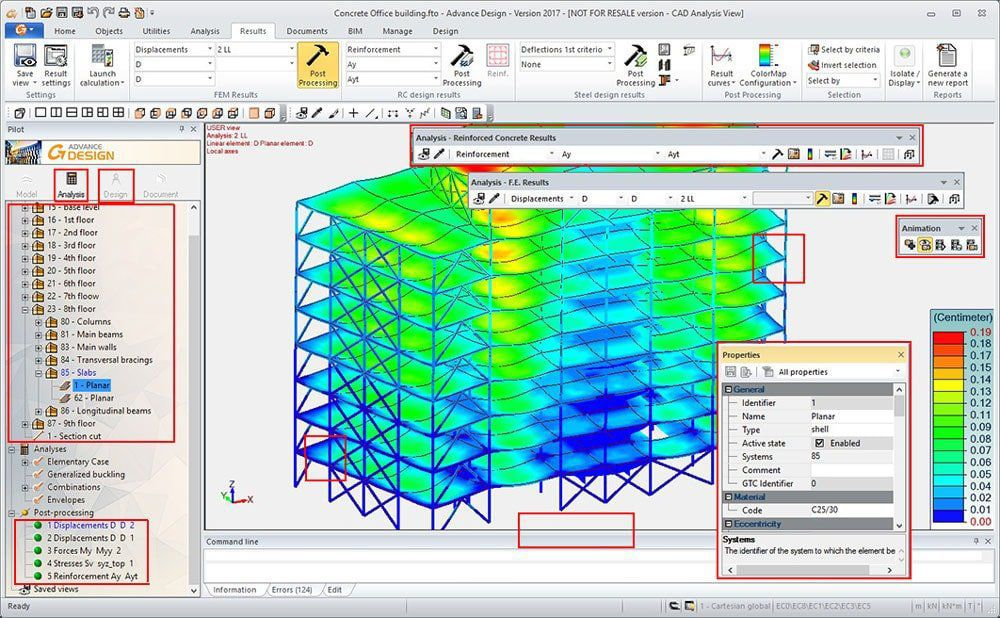
Structural engineering is the specialised [**civil engineering**](https://www.novatr.com/courses/bim-for-civil-engineers) field that focuses on designing, analysing, and ensuring the structural integrity of buildings and infrastructure. It is a discipline that combines mathematical principles, physics, and engineering expertise to create safe, durable, and cost-effective structures.
### **1. Scope of Work of a Structural Engineer**
Structural engineers are tasked with designing and analysing the structural soundness of buildings, bridges, and other edifices. Their responsibilities encompass a comprehensive understanding of materials, loads, and environmental conditions to formulate designs that withstand various forces, including gravity, wind, and seismic activities. Moreover, structural engineers often oversee the construction phase, conducting inspections and addressing challenges in real time to ensure that the built structures align with approved plans.
### **2. Skills Required to be a Structural Engineer**
#### ** >Technical Skills**
- Ability to analyse complex structural problems and develop innovative solutions.
- Meticulous focus on accuracy in calculations, designs, and evaluations.
- Command over structural engineering software and tools like Revit, Bluebeam Revu, Civil 3D, and [**Navisworks**](https://www.novatr.com/blog/navisworks-software) for efficient design, analysis, and documentation.
#### **> Soft Skills**
- Communication skills for collaboration with architects, construction teams, and clients.
- Willingness and ability to adapt to evolving technologies and continuously learn in a dynamic field.
- Strong interpersonal abilities to facilitate effective teamwork and successful project outcomes.
### **3. Average Salary of a Structural Engineer**
- United States: $80,000 - $1,00,000 per annum
- United Kingdom: £28,000 - £46,000 per annum
- United Arab Emirates: AED 84,000 - AED 1,80,000 per annum
- India: ₹4,00,000 - ₹9,00,000 per annum
> *Read more:* [BIM for Structural Engineers: Top Benefits, Significance, and Work Opportunities | 2026 (Updated)](https://www.novatr.com/blog/benefits-of-bim-for-structural-engineers)
## **10 Most-Asked Structural Engineer Interview Questions in 2026**
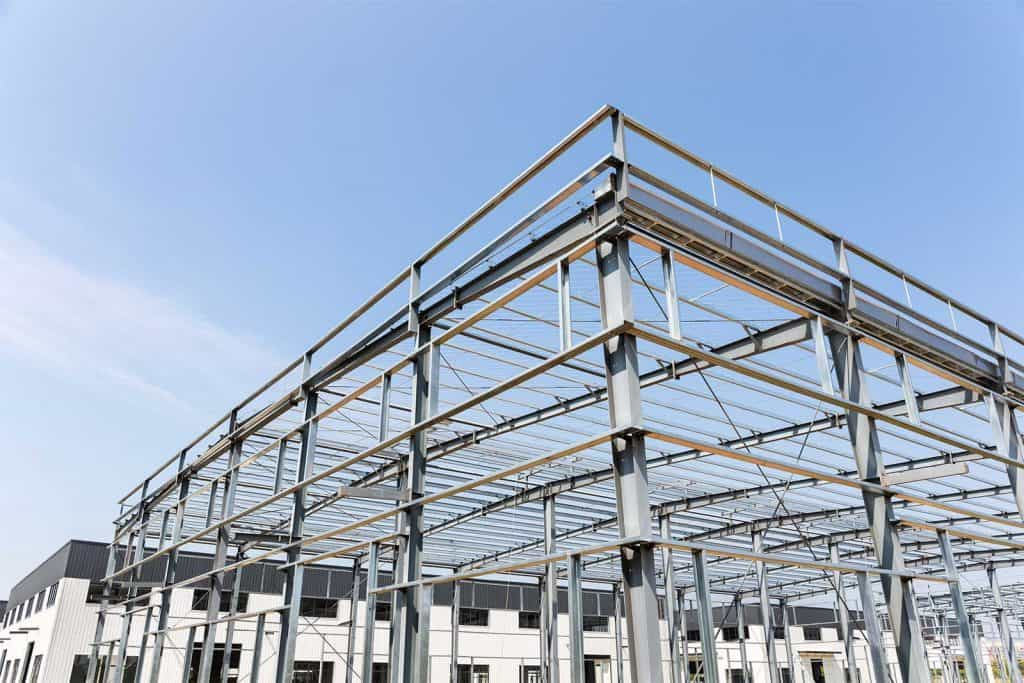
Bagging a structural engineer job requires applicants to have a strong resume and portfolio. They must also be prepared to appear for interviews. And if you are wondering what questions are asked in structural engineering job interviews, we’ve got you covered! We’ve mentioned the most likely structural engineer interview questions and answers below to crack the interview.
### **1.What software or tools are you familiar with for structural analysis and design?**
#### **How to Prepare Your Answer**
Familiarise yourself with industry-standard structural analysis and design software. Stay updated on the latest versions and understand their features. Mention any specialised tools relevant to your specific structural engineering field.
#### **Sample Answer**
I am proficient in a range of structural analysis and design software such as SAP2000, ETABS, and STAAD.Pro. Additionally, my expertise extends to other [**Building Information Modeling (BIM)**](https://www.novatr.com/blog/bim-in-civil-engineering-explained) software like Revit, which allows for seamless collaboration with other disciplines throughout the design and construction phases.
### **2. What is the most crucial factor to consider when designing a structure?**
#### **How to Prepare Your Answer**
Reflect on the core principles of structural engineering, emphasising safety, stability, and functionality. Consider real-world examples where these factors played a pivotal role in successful structural designs.
#### **Sample Answer**
The paramount consideration in structural design is ensuring the safety and stability of the structure. This involves a comprehensive analysis of various factors, with a primary focus on load-bearing capacity, material strength, and the anticipated environmental forces such as wind, seismic activity, and other dynamic loads. Striking a delicate balance between functionality, safety, and aesthetic aspects is crucial for a successful structural design.
### **3. What are your thoughts on the use of BIM in structural engineering?**
#### **How to Prepare Your Answer**
Stay informed about the benefits of BIM in the field of [**structural engineering**](https://www.novatr.com/blog/benefits-of-bim-for-structural-engineers). Reflect on personal experiences where BIM contributed to successful collaboration and project outcomes.
#### **Sample Answer**
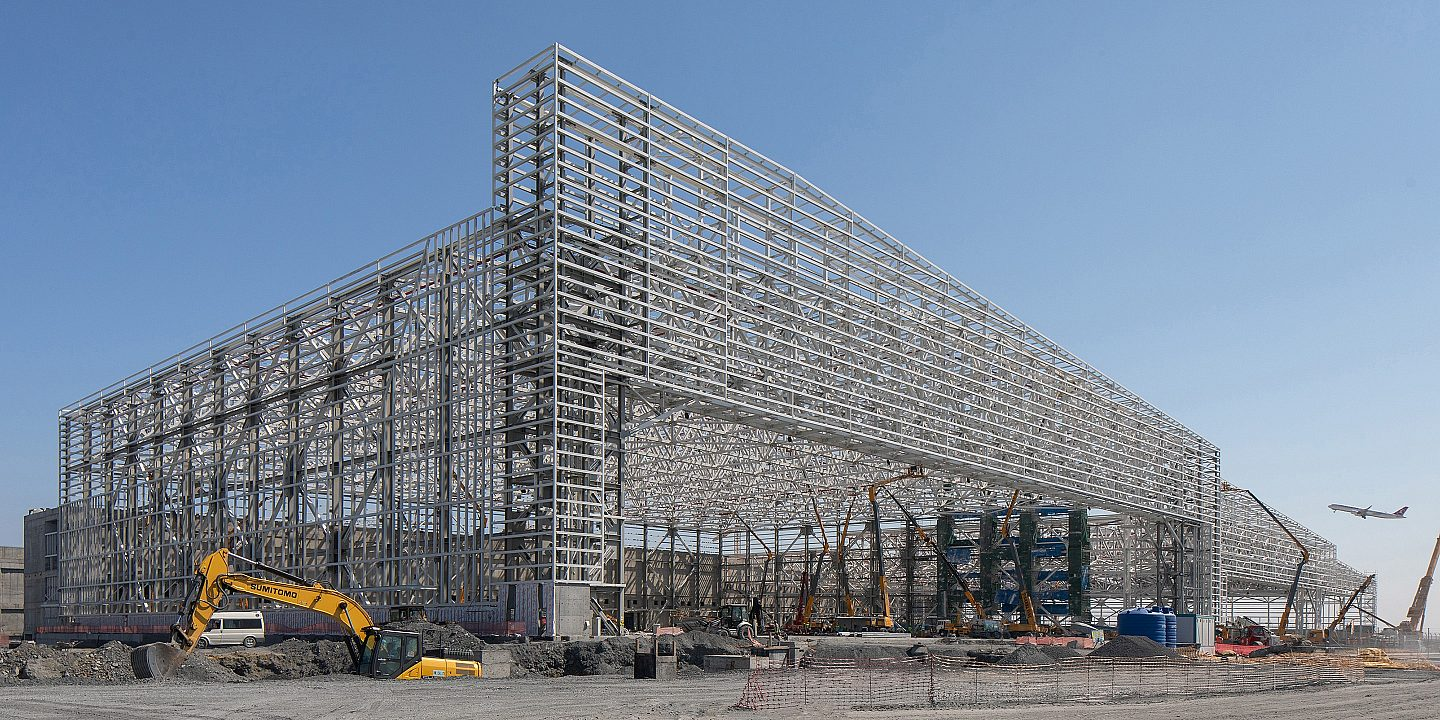
I believe that Building Information Modeling is a transformative force in the structural engineering field. BIM enhances collaboration by providing a holistic and integrated approach to design, enabling real-time coordination between architects, engineers, and other stakeholders. It streamlines the design and construction processes, reduces errors, and facilitates more informed decision-making throughout the project lifecycle.
### **4. What considerations do you take into account when designing a structure?**
#### **How to Prepare Your Answer**
Think about the various factors that go into structural design, such as load analysis, material selection, compliance with codes, and environmental impact. Note down examples from your past projects.
#### **Sample Answer**
When designing a structure, several critical considerations come into play. These include analysing the loads the structure will bear, selecting appropriate materials, incorporating safety measures, and ensuring compliance with relevant building codes and standards. Additionally, aspects like sustainability, environmental impact, and the potential for future modifications are integral to creating a comprehensive and forward-thinking design.

### **5. What building codes and standards are you familiar with?**
#### **How to Prepare Your Answer**
Learn relevant building codes and standards, both international and local. Explore building codes applicable to your region and specialisation within structural engineering.
#### **Sample Answer**
I am well-versed in the National Building Code (NBC). I also stay updated with the latest revisions and regional variations that ensure that my designs consistently meet and exceed regulatory requirements.
### **6. How do you assess the risk of failure for a structure?**
#### **How to Prepare Your Answer**
Jot down your approach to risk assessment, considering factors such as material vulnerabilities, loading conditions, and potential weak points. Talk about real-world case studies where risk assessments played a crucial role.
#### **Sample Answer**
I typically rely on efficient BIM software to draw accurate report. The process involves a meticulous analysis of structural elements, considering factors like material properties, loading conditions, and potential vulnerabilities. Advanced structural analysis tools in BIM aid in identifying weak points, and thorough risk assessments help in implementing preventive measures, ensuring the structure's resilience and safety.

### **7. What are your thoughts on the future of structural engineering?**
#### **How to Prepare Your Answer**
Be in the know of emerging trends and advancements in structural engineering. Have a vision for the future of the field and evolving design paradigms.
#### **Sample Answer**
The future of structural engineering is exciting, with a strong emphasis on sustainability, technological advancements, and innovative materials. Integration of artificial intelligence, enhanced collaboration through BIM, and a growing focus on resilient and eco-friendly designs will shape the field.
> *Read more:* [Discover the Top 5 Structural Engineering Trends in 2026](https://www.novatr.com/blog/top-trends-in-structural-engineering)
### **8. What is your opinion on the use of new technologies in the field of structural engineering?**
#### **How to Prepare Your Answer**
Get acquainted with emerging technologies in structural engineering, such as drones, artificial intelligence, and advanced simulation tools. Talk about how these technologies can enhance efficiency and accuracy in structural design.
#### **Sample Answer**
Embracing new technologies is essential for staying at the forefront of structural engineering. From the use of drones for site inspections to the implementation of machine learning algorithms for predictive analysis, these technologies enhance efficiency, accuracy, and the overall quality of structural designs.
### **9. What considerations do you take into account when designing structures to meet sustainability and environmental standards?**
#### **How to Prepare Your Answer**
Be well-read about passive design, energy efficiency, material selection, and overall environmental impact. Hone your knowledge about green building practices and eco-friendly design principles.
#### **Sample Answer**
Designing for sustainability involves a holistic approach, considering factors like energy consumption and monitoring, material management, and load analysis. Incorporating eco-friendly materials and local construction techniques is integral to creating structures that not only meet but exceed sustainability and environmental standards.
**10. How do you approach collaboration with architects and other professionals during the design phase of a project?**
#### **How to Prepare Your Answer**
Share your experiences collaborating with architects and other professionals. Highlight the importance of effective communication, shared vision, and interdisciplinary teamwork in creating successful designs.
#### **Sample Answer**
Collaboration is the key to successful project outcomes. During the design phase, effective communication with architects and other professionals is essential. Regular meetings, interdisciplinary workshops, and utilising BIM for seamless collaboration ensure that structural elements are seamlessly integrated into the overall design. A shared vision and open communication foster creativity and contribute to a cohesive and well-executed final project.
Also Check out : [7 Most Common Interview Question & Answers For Civil Engineers](https://www.novatr.com/blog/interview-questions-for-civil-engineers)
## **In Conclusion**
Structural engineering is an up-and-coming field that will boom with opportunities soon. So, now is the right time for civil engineering professionals to explore the market and learn relevant skills. It could make them more desirable for a work role in global Multinational Companies (MNCs) and an attractive pay package to build a formidable future.
If you wish to upskill and elevate your career, check out the [**BIM Professional Course for Civil Engineers**](https://www.novatr.com/courses/bim-for-civil-engineers) by [**Novatr**](https://www.novatr.com/). The program is tailored for professionals and students who wish to work on international projects and future-proof their careers. Through the course, you will learn 10+ BIM software and their workflows from industry experts. You will also get the opportunity to apply your learnings to RIBA-structured capstone projects. Novatr also provides the course participants with placement assistance to help them secure lucrative offers from top-tier Architecture, Engineering, and Construction (AEC) companies.
Explore the [course](https://www.novatr.com/courses/bim-for-civil-engineers) today.
## Frequently Asked Questions:
### 1. What skills are required for structural engineering interviews?
Strong analytical ability, structural fundamentals, code knowledge, and communication skills are essential, along with proficiency in industry-standard software.
### 2. What software tools should structural engineers know?
Candidates should be familiar with tools like ETABS, SAP2000, STAAD.Pro, and BIM platforms such as Revit for integrated modelling and coordination.
### 3. How should freshers prepare for a structural engineering interview?
They should review core concepts, practise software workflows, understand common codes, and prepare examples using the STAR method for clarity.
### 4. What is the best way to answer scenario-based structural engineering questions?
Explain the situation, outline actions taken, justify design decisions, and show how the outcome improved safety, efficiency, or collaboration.
### 5. What is the future scope of structural engineering?
The field is evolving toward sustainable design, advanced materials, automation, AI-based analysis, and BIM-driven workflows, expanding global demand.
Master BIM and Get Hired Faster
Join a community of 8500+ Architects and Engineers.
Explore Now
\*Limited seats available
Was this content helpful to you
Like Yes
Dislike No

TABLE OF CONTENTS
BIM Is The New Standard. Are You Certified?
Get Certified in BIM
SHARE ON YOUR SOCIALS
Link Copied Successfully
Related articles
[ 10 Best Structural Engineering Software You Need To Know in 2026 24 May 2024 11 min read](https://blog.novatr.com/blog/best-structural-engineering-software) [ 5 Best Online Structural Engineering Courses in 2026 You Need to Know 14 September 2023 13 min read](https://blog.novatr.com/blog/online-courses-for-structural-engineers) [ A Comprehensive Guide on Structural Design in Civil Engineering 14 September 2023 8 min read](https://blog.novatr.com/blog/structural-design-in-civil-engineering) [ CIVIL 10 Leading Structural Engineering Firms in Atlanta Geogia 12 June 2025 11 min read](https://blog.novatr.com/blog/10-leading-structural-engineering-firms-in-atlanta-geogia)
Download Syllabus
## BIM Professional Program
Next Cohort
June 2026
Program Duration
7 Months
Premium Program benefits
8 Credentials from Autodesk, NSDC, Novatr
1 program. 10 career paths. Infinite Growth.
40+ ISO 19650 & RIBA real-world projects to practice
1-on-1 guidance. Access 400+ industry experts.
Access the biggest AEC-Tech community on the planet. 8500+ and counting
Curated for you by 100+ global BIM leaders.
Lifelong access to course content
Enter your details to download the program syllabus.
##### BIM Professional Program
June 2026, 7 Months
Your Name Invalid name.
Phone Number Enter a valid phone number
Email Please enter a valid email address.
Select years of experience\* Currently studying 0-1 years 1-2 years 2-4 years 4-8 years 8-10 years 10-12 years 12+ years Invalid selection.
Specialisation Select your background\* Architecture Civil Engineering Mechanical Engineering Electrical Engineering Invalid selection.
Are you professionally trained in interior design?
Yes
No
I agree to the [Terms of Use](https://www.novatr.com/terms-and-conditions) and [Privacy Policy](https://www.novatr.com/privacy-policy), and consent to be contacted by Email, Call, WhatsApp, or SMS.
Submit
Ready to skyrocket your career?
Begin your next chapter in AEC
with Novatr!
We are here to help you take the industry by storm with advanced, tech-first skills.
[Explore Courses](https://www.novatr.com/#courses)
Join our newsletter
Submit
Thank you for signing up.
We’ll send you a nice letter once per week. No spam.

Dare to Disrupt.
Join thousands of people who organise
work and life with Novatr.
Company
- [About Us](https://www.novatr.com/about)
- [BIM Professional Program v.2026](https://www.novatr.com/courses/bim-professional-program)
- [Masters Computational Design](https://www.novatr.com/courses/computational-design)
- [Become a Mentor](https://www.novatr.com/apply-as-mentor)
- [Hiring from Us](https://www.novatr.com/hire-from-us)
- [Careers at Novatr](https://www.novatr.com/career)
Resources
- [Blog](https://www.novatr.com/learning-hub)
- [Media Room](https://www.novatr.com/media-room-home-page)
- [Career Builder](https://www.novatr.com/career-navigator)
- [Events & Webinars](https://www.novatr.com/webinars)
- [FAQs & Support Center](https://www.novatr.com/contact-us)
- [Contact Us](https://www.novatr.com/contact-us)
- [Privacy Policy](https://www.novatr.com/privacy-policy)
- [Terms of Use](https://www.novatr.com/terms-and-conditions)
©2023 Oneistox Network Pvt. Ltd.
All Rights Reserved
```json
{
"@context" : "https://schema.org",
"@type" : "BlogPosting",
"author" : {
"@type" : "Person",
"name" : "Pragya Sharma",
"url" : "https://blog.novatr.com/blog/author/pragya-sharma"
},
"dateModified" : "2026-09-07T06:20:37.816Z",
"datePublished" : "2024-04-21T15:31:01.000Z",
"headline" : "Top 10 Structural Engineer Interview Questions & Answers (2026)",
"image" : [ "https://blog.novatr.com/hubfs/Top%2010%20Structural%20Engineer%20Interview%20Questions%20&%20How%20to%20ace%20Them_.png" ],
"mainEntityOfPage" : {
"@id" : "https://blog.novatr.com/blog/interview-questions-for-structural-engineers",
"@type" : "WebPage"
},
"publisher" : {
"@type" : "Organization",
"logo" : {
"@type" : "ImageObject",
"url" : "https://blog.novatr.com/hubfs/Novatr%20Prev%20OX-2.svg"
}
}
}
```