---
title: What Are Hydrogen-Ready HVAC Systems for Net-Zero Buildings? 2026
description: Learn how hydrogen-ready HVAC supports net-zero buildings, boosting efficiency, enhancing performance, & preparing systems for cleaner energy transitions.
image: https://blog.novatr.com/hubfs/Hydrogen-Ready%20HVAC%20Systems%20A%20Step%20Toward%20Net-Zero%20Buildings.png
---
[Blogs](https://www.novatr.com/learning-hub)
- [Architecture & Construction](https://www.novatr.com/learning-hub?category=Architecture+%26+Construction)
- [BIM](https://www.novatr.com/learning-hub?category=BIM)
- [Computational Design](https://www.novatr.com/learning-hub?category=Computational+Design)
- [Company News](https://www.novatr.com/learning-hub?category=Company+News)
- [Expert Talks](https://www.novatr.com/learning-hub?category=Expert+Talks)
Explore Courses
[Just Launched  BIM Professional Program v.2026 Take your career to the next level by mastering the real-world application of BIM. Know More](https://www.novatr.com/courses/bim-professional-program)
[ Master Computational Design Course Break into an advanced career by learning to apply the power of computation to the art of design. Know More](https://www.novatr.com/courses/computational-design)
[Blogs](https://www.novatr.com/learning-hub)
Explore Blogs
- [Architecture & Construction](https://www.novatr.com/learning-hub?category=Architecture+%26+Construction)
- [BIM](https://www.novatr.com/learning-hub?category=BIM)
- [Computational Design](https://www.novatr.com/learning-hub?category=Computational+Design)
- [Company News](https://www.novatr.com/learning-hub?category=Company+News)
- [Expert Talks](https://www.novatr.com/learning-hub?category=Expert+Talks)
Courses
- [BIM Professional Program v.2026](https://www.novatr.com/courses/bim-professional-program)
- [Master Computational Design](https://www.novatr.com/courses/computational-design)
- [MEP/](https://www.novatr.com/learning-hub?category=BIM)
Featured Article
# Hydrogen-Ready HVAC Systems: A Step Toward Net-Zero Buildings

Neha Singh
February 13, 2026
6 min read
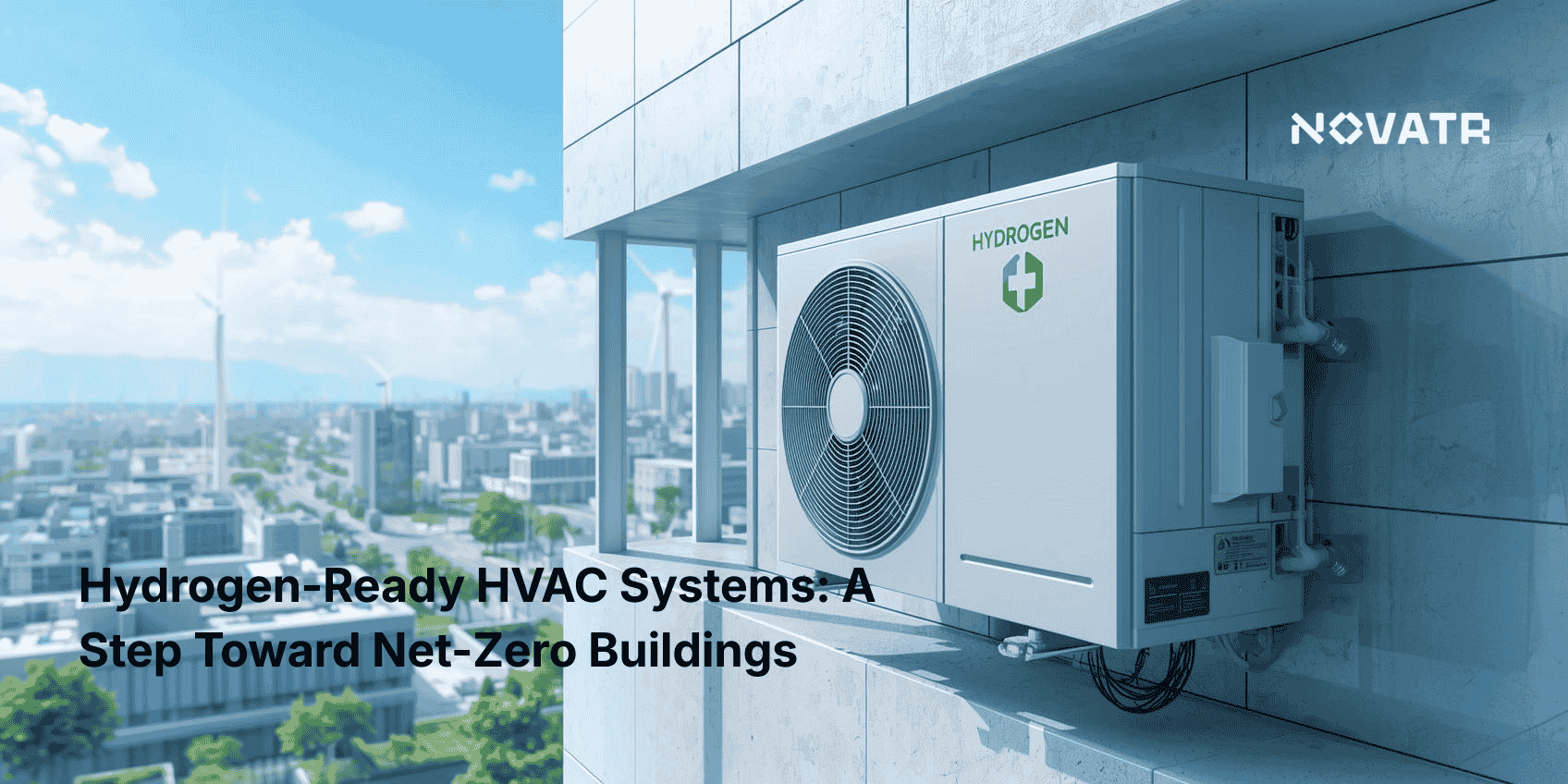

Hydrogen is emerging as a clean energy option, driving changes in building climate control technologies. Modern net-zero HVAC systems are being designed to operate with hydrogen-based energy while maintaining efficiency and safety. Professionals in this field see strong career prospects, with an HVAC engineer's salary averaging [$82,050](https://www.ziprecruiter.com/Salaries/Hvac-Engineer-Salary) per year in the USA, reflecting expertise in modern energy systems and building integration.
Adapting buildings for hydrogen involves updating equipment and enhancing system performance. Hydrogen-compatible heat pumps help lower emissions and support net-zero objectives. Engineers address safe operation, material compatibility, and energy storage while ensuring long-term dependability. These systems combine advanced technology with effective energy management, forming a key component of sustainable, low-carbon building strategies for the future.
Unlock High-Paying Careers With BIM
Master BIM workflows, software and skills on real projects.
Apply Now
\*Limited seats available
## **What Does “Hydrogen-Ready” Mean in the Context of HVAC Systems?**
Hydrogen-ready HVAC systems are designed to operate using hydrogen or adapt to it without major modifications. They are built to handle energy from low-carbon sources safely and efficiently. This concept supports green hydrogen for buildings, ensuring that future energy transitions can be accommodated with minimal changes to existing infrastructure while maintaining performance standards.
Here are the main features that show what “hydrogen-ready” means in HVAC systems:
- **Fuel Flexibility:** Hydrogen-ready systems can operate with traditional fuels and transition to hydrogen when it becomes available.
- **Material Compatibility:** Components are selected to withstand hydrogen exposure without degradation or safety risks.
- **System Design:** HVAC layouts are engineered to integrate hydrogen safely while maintaining efficiency.
- **Integration with Sustainable Energy:** Hydrogen-ready systems can work with **sustainable heating and cooling systems** to lower building emissions efficiently.
- **Support for Decarbonization:** Hydrogen-ready HVAC systems help reduce emissions and contribute to broader HVAC decarbonization strategies aimed at achieving net-zero buildings.
- **Advanced Technology Use:** Hydrogen-ready systems usehydrogen HVAC sensors and smart controls to track performance and keep operations safe under hydrogen conditions.
## **How Are HVAC Components Being Adapted for Hydrogen-Based Energy Sources?**
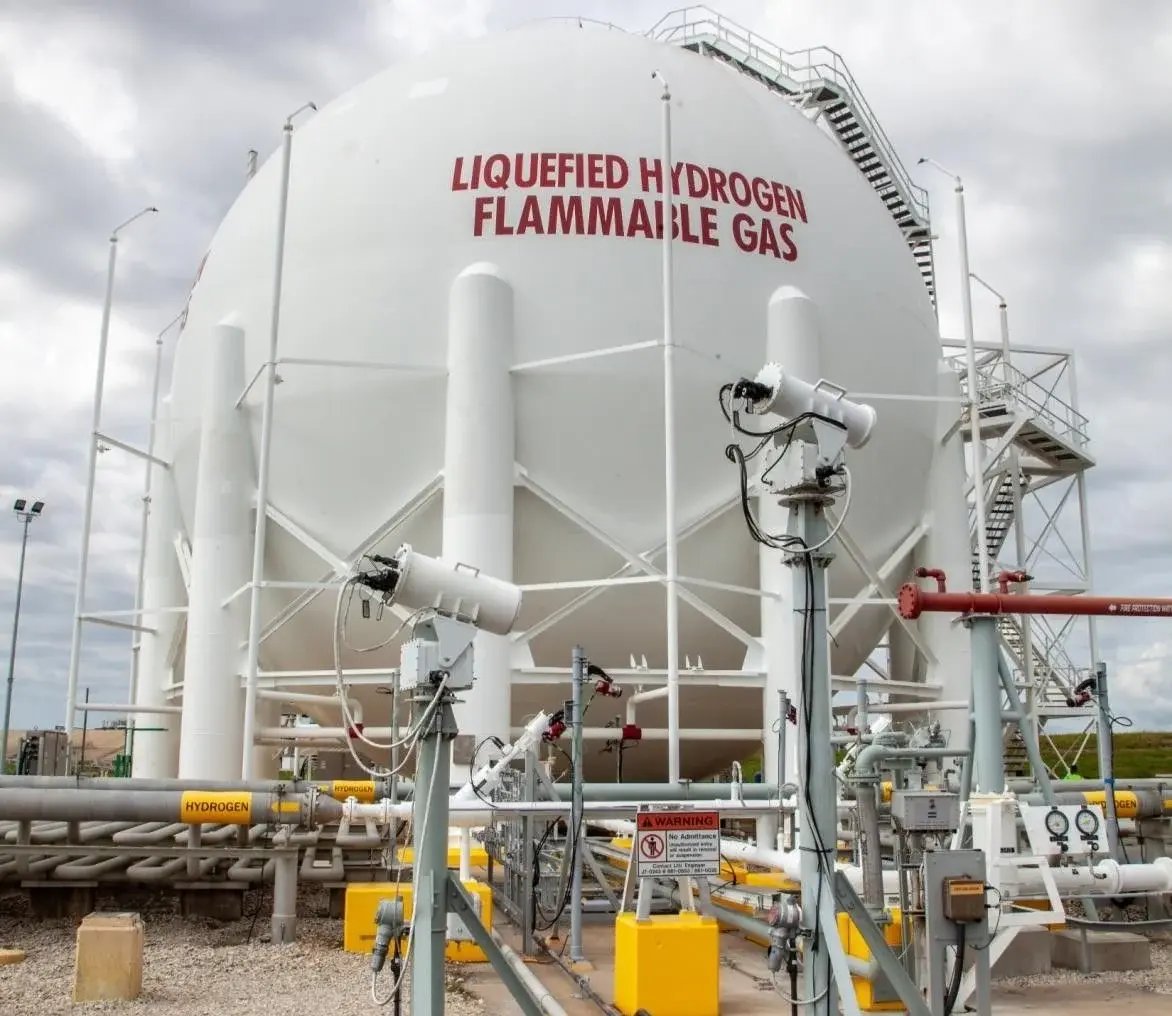
HVAC components are being redesigned to safely operate with hydrogen while maintaining high efficiency and reliability, with engineers optimizing materials, control systems, and layouts to support future energy transitions. These upgrades support sustainable HVAC solutions, helping buildings integrate hydrogen energy without major retrofits while preparing for cleaner, low-emission operations across various facility types.
Key ways HVAC components are adapted for hydrogen-based energy sources include:
- Hydrogen can now be used alongside traditional fuels, allowing HVAC systems to transition smoothly without replacing major equipment.
- Pipes, valves, and seals are made from materials that resist hydrogen-induced wear and maintain safe operation over time.
- Advanced monitoring and automated controls adjust system operation based on hydrogen flow to ensure safe and efficient function.
- Ducts, burners, and heat exchangers are redesigned to optimize efficiency specifically for hydrogen-based energy input.
- Component adjustments maximize efficiency and reduce energy losses in clean energy buildings.
- Units are thoroughly tested to confirm safety and proper operation under hydrogen conditions.
## **How Do Hydrogen-Ready HVAC Systems Support Net-Zero and Decarbonization Goals?**
Hydrogen-ready HVAC systems help buildings reduce emissions while integrating cleaner energy sources. By using hydrogen efficiently, these systems contribute to energy savings and long-term sustainability. This approach highlights the role of hydrogen in net-zero construction, supporting broader environmental objectives without requiring major infrastructure changes.
Key ways hydrogen-ready HVAC systems support net-zero and decarbonization goals include:
- They reduce dependence on fossil fuels by enabling hydrogen integration into existing HVAC infrastructure.
- Energy consumption is lowered through advanced controls and optimized heating and cooling strategies.
- Carbon emissions are minimized, contributing to overall decarbonization targets in building operations.
- Systems can adapt to renewable energy inputs, supporting cleaner electricity and thermal sources.
- Long-term operational efficiency is improved, helping buildings achieve sustainability benchmarks.
- Engineers use advanced monitoring and analytics, incorporating MEP engineering principles to ensure safe and effective system integration.
## **Did You Know?**
By 2026, the global hydrogen-powered portable HVAC market is projected to grow to about [$2.31 billion](https://www.globenewswire.com/news-release/2026/01/29/3228747/28124/en/Hydrogen-Powered-Portable-HVAC-Market-Forecast-to-Reach-4-87-Billion-by-2030-at-20-5-CAGR-Dominated-by-Panasonic-L-Air-Liquide-and-Daikin-Industries.html), up from [$1.91 billion](https://www.globenewswire.com/news-release/2026/01/29/3228747/28124/en/Hydrogen-Powered-Portable-HVAC-Market-Forecast-to-Reach-4-87-Billion-by-2030-at-20-5-CAGR-Dominated-by-Panasonic-L-Air-Liquide-and-Daikin-Industries.html) in 2025, reflecting rising adoption of hydrogen‑based climate control solutions.
## **Which Building Types Are Most Likely to Adopt Hydrogen-Compatible HVAC Solutions?**
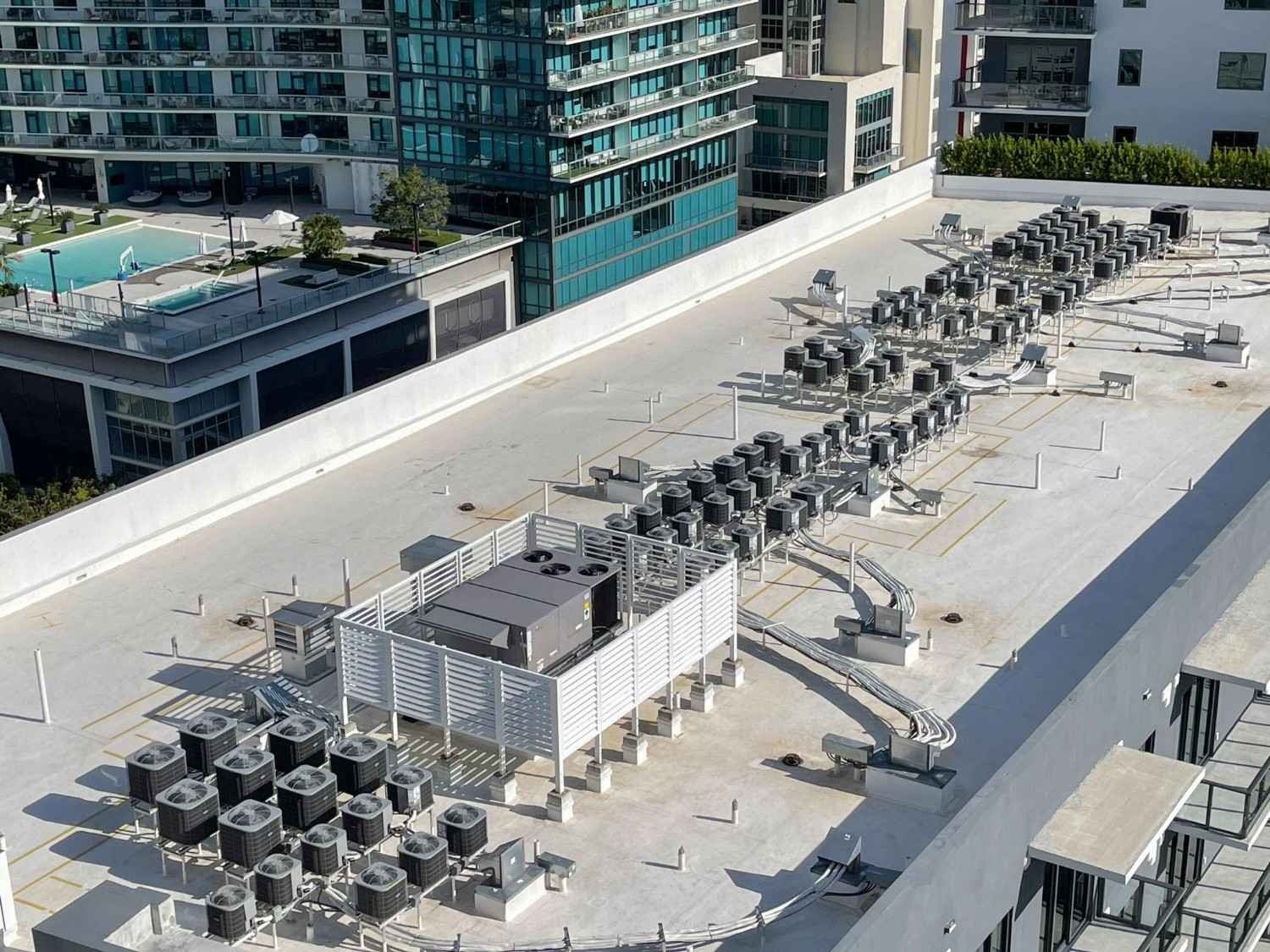
Hydrogen-compatible HVAC solutions are gaining attention as buildings shift toward cleaner energy sources. These systems are designed to work with modern infrastructure while supporting energy efficiency and sustainability goals. Integrating HVAC systems compatible with hydrogen fuel helps buildings adopt hydrogen energy without major redesigns, preparing for a cleaner, low-emission future.
The building types most suitable for hydrogen-compatible HVAC solutions include:
- Large commercial complexes with high energy demand can integrate hydrogen-ready HVAC systems to improve energy efficiency.
- Hospitals and healthcare facilities that need continuous heating and cooling can benefit from hydrogen-based solutions.
- Universities and school campuses aiming for sustainable operations can implement hydrogen-compatible HVAC systems.
- Industrial facilities with intensive energy use can adopt systems that support the future of hydrogen heating in buildings.
- Residential high-rise buildings can use centralized hydrogen-ready systems to provide heating and cooling for multiple units efficiently.
- Data centers and server farms with high cooling requirements can adopt hydrogen-ready HVAC systems to manage energy use efficiently while supporting low-emission operations.
## **What Challenges and Limitations Must Engineers Address Today?**
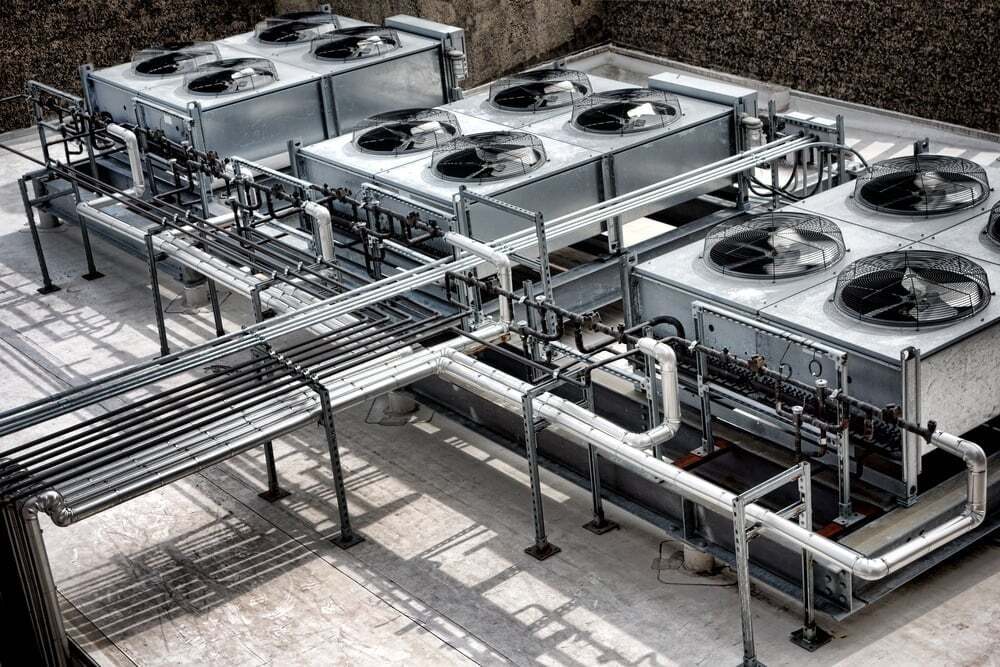
Hydrogen-ready HVAC systems present unique technical and operational challenges for modern buildings. Engineers must carefully consider system design, safety, materials, and integration with existing infrastructure. These factors impact efficiency, cost, and long-term functionality, highlighting the importance of expertise in MEP systems to implement solutions effectively.
Key challenges and limitations engineers face today include:
- Materials can degrade or fail when exposed to hydrogen, creating risks for system integrity.
- Strict safety rules for hydrogen storage, handling, and combustion limit design flexibility and increase complexity.
- Controls and sensors must handle variable hydrogen flow, which is challenging to maintain accurately under different conditions.
- Integrating hydrogen-ready components into existing systems can be disruptive and requires careful planning.
- High initial installation costs and budget constraints make implementation difficult for many projects.
Master BIM and Get Hired Faster
Join a community of 8500+ Architects and Engineers.
Explore Now
\*Limited seats available
## **Conclusion**
Hydrogen-ready HVAC systems represent a crucial step in reducing building emissions and improving energy efficiency. Engineers must navigate design, materials, and integration challenges carefully. Using advanced MEP software helps optimize system layouts and simulations, ensuring solutions are well-planned and sustainable while supporting cleaner, low-emission building operations.
Continued innovation in hydrogen technologies highlights how green hydrogen can decarbonize HVAC systems effectively. For engineers seeking to expand their expertise, the [BIM Course for MEP Engineers](https://www.novatr.com/us/courses/bim-for-mep-engineers), offered by [Novatr](https://www.novatr.com/us), provides focused guidance. Visit our [resource page](https://www.novatr.com/learning-hub) for guidance, tools, and insights to support sustainable building design and energy transition planning.
## **FAQs**
### **1. What does “hydrogen-ready” mean in HVAC systems?**
Hydrogen-ready HVAC systems are designed to operate with hydrogen as an energy source or switch to it in the future. They use components and materials that safely handle hydrogen without major modifications. This ensures buildings can transition to cleaner energy while maintaining efficiency and safety.
### **2. How do hydrogen-ready HVAC systems support net-zero buildings?**
These systems reduce greenhouse gas emissions by using hydrogen, a low-carbon energy source. They help buildings meet energy efficiency and sustainability goals by integrating with modern energy systems. Overall, hydrogen-ready HVAC supports long-term decarbonization and cleaner building operations.
### **3. What types of HVAC equipment can operate with hydrogen fuel?**
Hydrogen-ready equipment includes heat pumps, boilers, burners, and some ventilation systems. These components are adapted to handle hydrogen safely and maintain efficient operation. By using hydrogen-compatible HVAC equipment, buildings can reduce reliance on traditional fossil fuels and lower emissions.
Was this content helpful to you
Like Yes
Dislike No

TABLE OF CONTENTS
BIM Is The New Standard. Are You Certified?
Get Certified in BIM
SHARE ON YOUR SOCIALS
Link Copied Successfully
Related articles
[ Understanding the Role of HVAC Systems in MEP Engineering 26 September 2025 5 min read](https://blog.novatr.com/blog/hvac-systems-in-mep-engineering) [ Role of BIM HVAC Engineers in Construction Projects 26 September 2025 5 min read](https://blog.novatr.com/blog/bim-hvac-engineers-in-construction) [.png) BIM for Mechanical Engineers: A Complete Guide 7 April 2025 16 min read](https://blog.novatr.com/blog/bim-for-mechanical-engineers) [ Why HVAC Engineers Must Master BIM for MEP Projects 21 April 2025 4 min read](https://blog.novatr.com/blog/bim-for-hvac-engineers)
Download Syllabus
## BIM Professional Program
Next Cohort
June 2026
Program Duration
7 Months
Premium Program benefits
8 Credentials from Autodesk, NSDC, Novatr
1 program. 10 career paths. Infinite Growth.
40+ ISO 19650 & RIBA real-world projects to practice
1-on-1 guidance. Access 400+ industry experts.
Access the biggest AEC-Tech community on the planet. 8500+ and counting
Curated for you by 100+ global BIM leaders.
Lifelong access to course content
Enter your details to download the program syllabus.
##### BIM Professional Program
June 2026, 7 Months
Your Name Invalid name.
Phone Number Enter a valid phone number
Email Please enter a valid email address.
Select years of experience\* Currently studying 0-1 years 1-2 years 2-4 years 4-8 years 8-10 years 10-12 years 12+ years Invalid selection.
Specialisation Select your background\* Architecture Civil Engineering Mechanical Engineering Electrical Engineering Invalid selection.
Are you professionally trained in interior design?
Yes
No
I agree to the [Terms of Use](https://www.novatr.com/terms-and-conditions) and [Privacy Policy](https://www.novatr.com/privacy-policy), and consent to be contacted by Email, Call, WhatsApp, or SMS.
Submit
Ready to skyrocket your career?
Begin your next chapter in AEC
with Novatr!
We are here to help you take the industry by storm with advanced, tech-first skills.
[Explore Courses](https://www.novatr.com/#courses)
Join our newsletter
Submit
Thank you for signing up.
We’ll send you a nice letter once per week. No spam.

Dare to Disrupt.
Join thousands of people who organise
work and life with Novatr.
Company
- [About Us](https://www.novatr.com/about)
- [BIM Professional Program v.2026](https://www.novatr.com/courses/bim-professional-program)
- [Masters Computational Design](https://www.novatr.com/courses/computational-design)
- [Become a Mentor](https://www.novatr.com/apply-as-mentor)
- [Hiring from Us](https://www.novatr.com/hire-from-us)
- [Careers at Novatr](https://www.novatr.com/career)
Resources
- [Blog](https://www.novatr.com/learning-hub)
- [Media Room](https://www.novatr.com/media-room-home-page)
- [Career Builder](https://www.novatr.com/career-navigator)
- [Events & Webinars](https://www.novatr.com/webinars)
- [FAQs & Support Center](https://www.novatr.com/contact-us)
- [Contact Us](https://www.novatr.com/contact-us)
- [Privacy Policy](https://www.novatr.com/privacy-policy)
- [Terms of Use](https://www.novatr.com/terms-and-conditions)
©2023 Oneistox Network Pvt. Ltd.
All Rights Reserved
```json
{
"@context" : "https://schema.org",
"@type" : "BlogPosting",
"author" : {
"@type" : "Person",
"name" : "Neha Singh",
"url" : "https://blog.novatr.com/blog/author/neha-singh"
},
"dateModified" : "2026-02-16T05:57:26.690Z",
"datePublished" : "2026-02-13T12:00:01.000Z",
"headline" : "What Are Hydrogen-Ready HVAC Systems for Net-Zero Buildings? {{year}}",
"image" : [ "https://blog.novatr.com/hubfs/Hydrogen-Ready%20HVAC%20Systems%20A%20Step%20Toward%20Net-Zero%20Buildings.png" ],
"mainEntityOfPage" : {
"@id" : "https://blog.novatr.com/blog/hydrogen-ready-hvac-systems-for-net-zero-buildings",
"@type" : "WebPage"
},
"publisher" : {
"@type" : "Organization",
"logo" : {
"@type" : "ImageObject",
"url" : "https://blog.novatr.com/hubfs/Novatr%20Prev%20OX-2.svg"
}
}
}
```