---
title: "BIM Learning: Cohort-Based vs Self-Paced Learning 2026"
description: Explore cohort-based and self-paced BIM training and learn how each approach can support skill development, practical learning, and career growth.
image: https://blog.novatr.com/hubfs/ChatGPT%20Image%20Aug%2017%2c%202026%2c%2005_16_23%20PM.png
---
[Blogs](https://www.novatr.com/learning-hub)
- [Architecture & Construction](https://www.novatr.com/learning-hub?category=Architecture+%26+Construction)
- [BIM](https://www.novatr.com/learning-hub?category=BIM)
- [Computational Design](https://www.novatr.com/learning-hub?category=Computational+Design)
- [Company News](https://www.novatr.com/learning-hub?category=Company+News)
- [Expert Talks](https://www.novatr.com/learning-hub?category=Expert+Talks)
Explore Courses
[Just Launched  BIM Professional Program v.2026 Take your career to the next level by mastering the real-world application of BIM. Know More](https://www.novatr.com/courses/bim-professional-program)
[ Master Computational Design Course Break into an advanced career by learning to apply the power of computation to the art of design. Know More](https://www.novatr.com/courses/computational-design)
[Blogs](https://www.novatr.com/learning-hub)
Explore Blogs
- [Architecture & Construction](https://www.novatr.com/learning-hub?category=Architecture+%26+Construction)
- [BIM](https://www.novatr.com/learning-hub?category=BIM)
- [Computational Design](https://www.novatr.com/learning-hub?category=Computational+Design)
- [Company News](https://www.novatr.com/learning-hub?category=Company+News)
- [Expert Talks](https://www.novatr.com/learning-hub?category=Expert+Talks)
Courses
- [BIM Professional Program v.2026](https://www.novatr.com/courses/bim-professional-program)
- [Master Computational Design](https://www.novatr.com/courses/computational-design)
- [BIM/](https://www.novatr.com/learning-hub?category=BIM)
Featured Article
# Cohort-Based Learning vs Self-Paced Learning for Career Advancement

Bandana Singh
August 17, 2026
11 min read
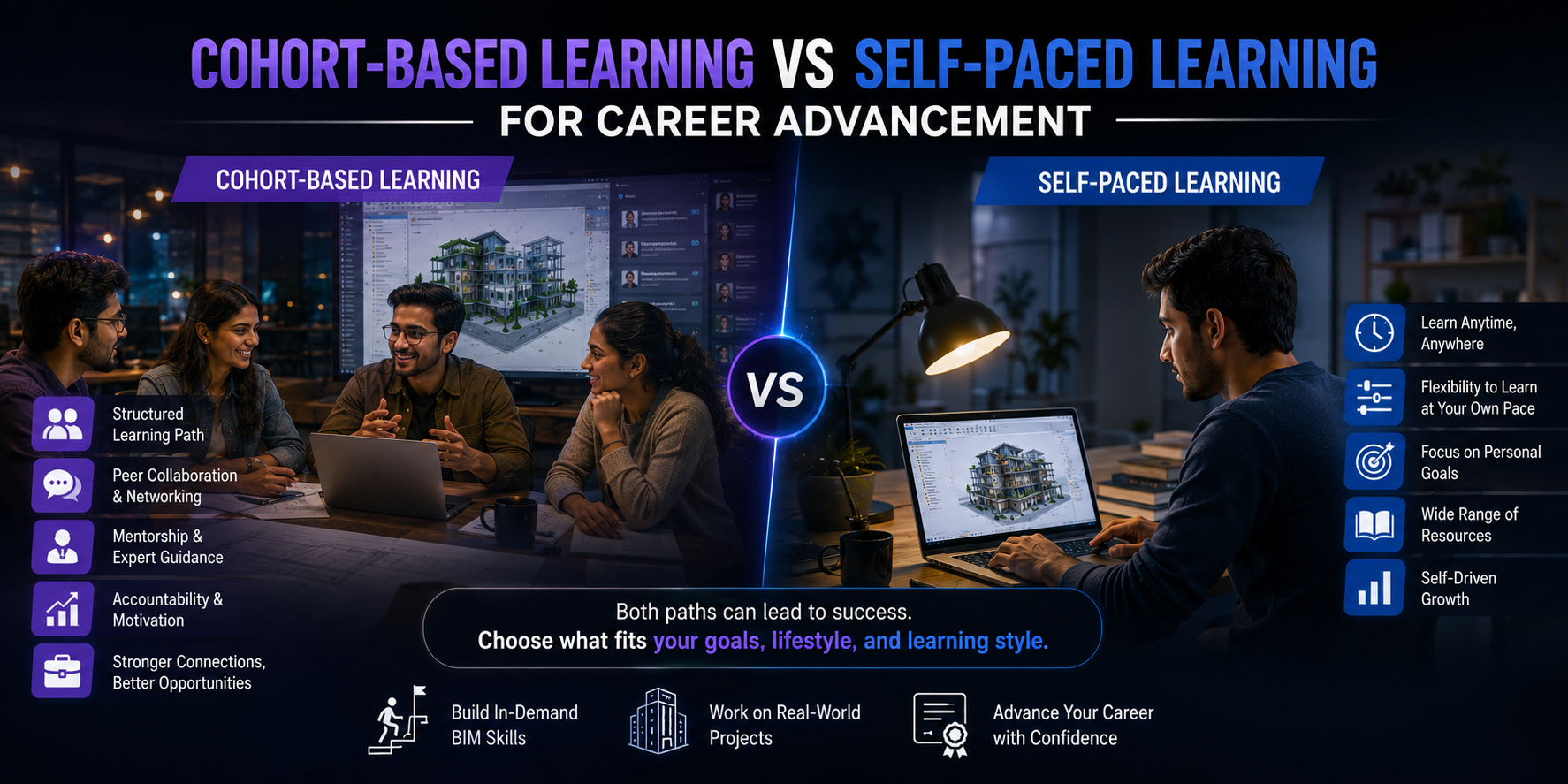

Choosing the right learning format can make a real difference to how professionals build skills and progress in their careers. For AEC professionals, BIM learning goes beyond mastering software; it involves applying knowledge to projects, solving problems and understanding collaborative workflows. This is increasingly relevant as BIM becomes a regular part of industry practice. The [Dodge Data & Analytics](https://adsknews.autodesk.com/en/news/bim-accelerates-digital-transformation/) study found that 60% of architects were using BIM on at least 50% of their projects. With this growing use, choosing between cohort-based and self-paced learning deserves careful thought.
An online BIM course can offer either approach, while supporting ongoing professional development. The right choice ultimately depends on how much structure, interaction, flexibility and practical learning a professional needs.
## **Key Takeaways**
- BIM education can follow either a cohort-based or self-paced approach, depending on individual learning needs.
- Flexible learning suits professionals who need to balance training with changing work commitments.
- BIM skills develop more effectively when learning includes practical projects, feedback and real-world application.
- Cohort-based learning offers structure, peer interaction and accountability, while self-paced learning provides greater control over time and pace.
- The right [BIM training](https://www.novatr.com/blog/why-bim-training-is-crucial-for-architects) should support practical learning, consistent progress and long-term career goals.
Master BIM Before You Fall Behind
Join 8500+ AEC professionals building BIM careers.
Explore the Program
## **What is the Difference Between Cohort-Based and Self-Paced Learning?**
Cohort-based and self-paced learning offer two different ways to approach professional education. In cohort-based learning, learners progress through a course with a group, usually following a planned schedule and participating in shared learning activities. The experience often includes live sessions, discussions and opportunities to learn alongside peers.
Self-paced learning gives individuals more control over their learning journey. Learners can access course materials when convenient, move through lessons at their own speed and revisit topics as needed. Both approaches can support skill development, but they suit different learning preferences and circumstances. The key difference is that cohort-based learning centres on progressing with a group, while self-paced learning allows individuals to manage their own learning journey.
## **How Do Cohort and Self-Paced Learning Differ in Structure, Flexibility, and Accountability?**
The learning format can influence how consistently a person studies, applies new knowledge and develops [BIM skills](https://www.novatr.com/blog/top-skills-you-learn-from-a-bim-course) alongside work commitments. The main differences between the two approaches are:
| **Learning factor** | **Cohort-based** | **Self-paced** | **Impact on career advancement** |
| --- | --- | --- | --- |
| **Structure** | Follows a planned schedule with sessions, activities and milestones. | Learners choose when to study and how quickly to complete lessons. | A clear structure can help learners build skills steadily, while self-paced study suits those who prefer greater independence. |
| **Flexibility** | Requires learners to attend sessions or complete activities within set periods. | Lessons can usually be completed around existing work and personal commitments. | Greater flexibility can make continued learning easier for working professionals. |
| **Accountability** | Peer interaction, deadlines and instructor guidance can encourage regular progress. | Progress depends largely on the learner maintaining their own routine. | Consistent participation can help learners complete training and apply new skills sooner. |
| **Peer learning** | Learners can exchange ideas, discuss problems and learn from different experiences. | Learning is generally more individual, with interaction depending on the course format. | Exposure to different perspectives can strengthen collaboration and workplace communication. |
| **Feedback** | Regular feedback may come through instructors, group activities or project reviews, which enhances practical learning. | Feedback may be less frequent and often depends on available course support. | Timely feedback can help learners identify gaps and improve their practical skills. |
| **Career Progression** | Creates a more guided learning experience with opportunities for collaboration. | Supports independent learning and lets professionals focus on specific knowledge gaps. | Either approach can support career growth when learning is relevant and applied to real work. |
## **Which Learning Model Builds Stronger Practical and Job-Ready Skills?**
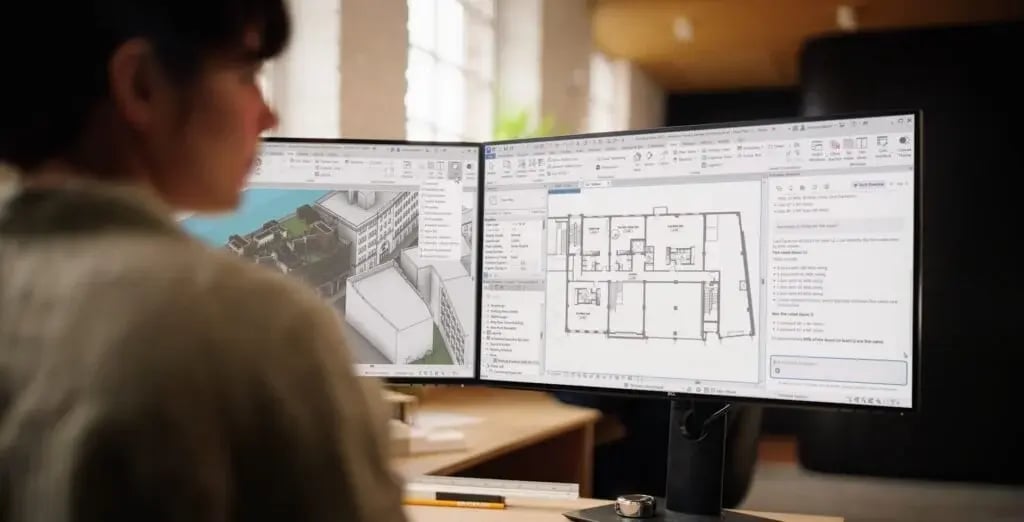
The stronger model is usually the one that gives learners regular opportunities to practise, receive feedback and apply what they learn. For AEC professionals, both formats can support practical development when designed well:
- **Hands-on Projects:** Project-based tasks help learners apply concepts to situations that reflect real workplace requirements.
- **Feedback:** Guidance from instructors can highlight mistakes and show learners how to improve their work.
- **Peer Learning:** Working alongside others encourages learners to exchange ideas and approach problems from different perspectives.
- **Mentor Interaction:** Access to experienced professionals can provide practical insights that [BIM course](https://www.novatr.com/blog/benefits-of-bim-course) materials alone may not offer.
- **Application of Skills:** Using newly developed skills on realistic tasks helps learners build confidence and prepare for workplace expectations.
Both models can contribute to continuing education and career growth, but practical exposure and meaningful feedback often make the learning experience more valuable.
## **How Does Each Learning Model Affect Course Completion and Learning Consistency?**
The learning format can influence how easily professionals maintain momentum and complete a course.
| **Factor** | **Cohort-Based Learning** | **Self-Paced Learning** |
| --- | --- | --- |
| **Schedule** | Fixed sessions and deadlines | Flexible learning times |
| **Consistency** | Regular structure supports steady progress | Depends on personal discipline |
| **Accountability** | Peer and instructor support | Mainly self-managed |
| **Flexibility** | Less flexible around work commitments | Easier to fit around busy schedules |
| **Completion** | Set milestones can encourage timely completion | Learners may progress faster or slower depending on their routine |
| **Career Development** | Supports structured skill building | Supports flexible technical training alongside work |
## **Which Learning Model is Better for Working AEC Professionals?**
There is no single best option for everyone. The right choice depends on work schedules, available time and how much structure a professional needs to stay on track.
- ### **Choose Self-Paced Learning for Greater Flexibility**
Self-paced learning can suit AEC professionals with changing schedules, project deadlines or frequent work commitments. They can study when their workload allows and revisit lessons when needed, without having to follow fixed class timings.
- ### **Pick Cohort-Based Learning for More Structure**
Cohort-based learning can be a better fit for professionals who prefer planned sessions, clear deadlines and regular interaction. A fixed schedule can make it easier to maintain learning momentum alongside a demanding role.
- ### **Consider Your Professional Commitments**
The best format is the one that fits realistically into your working routine. Professionals with unpredictable hours may value flexibility, while those who can set aside dedicated learning time may benefit from a structured programme.
- ### **Focus on What Helps You Progress**
Rather than choosing based only on convenience, consider which format will help you complete the course, practise new skills and apply them to your work.
## **When Should You Choose Cohort-Based or Self-Paced Learning for Career Growth?**
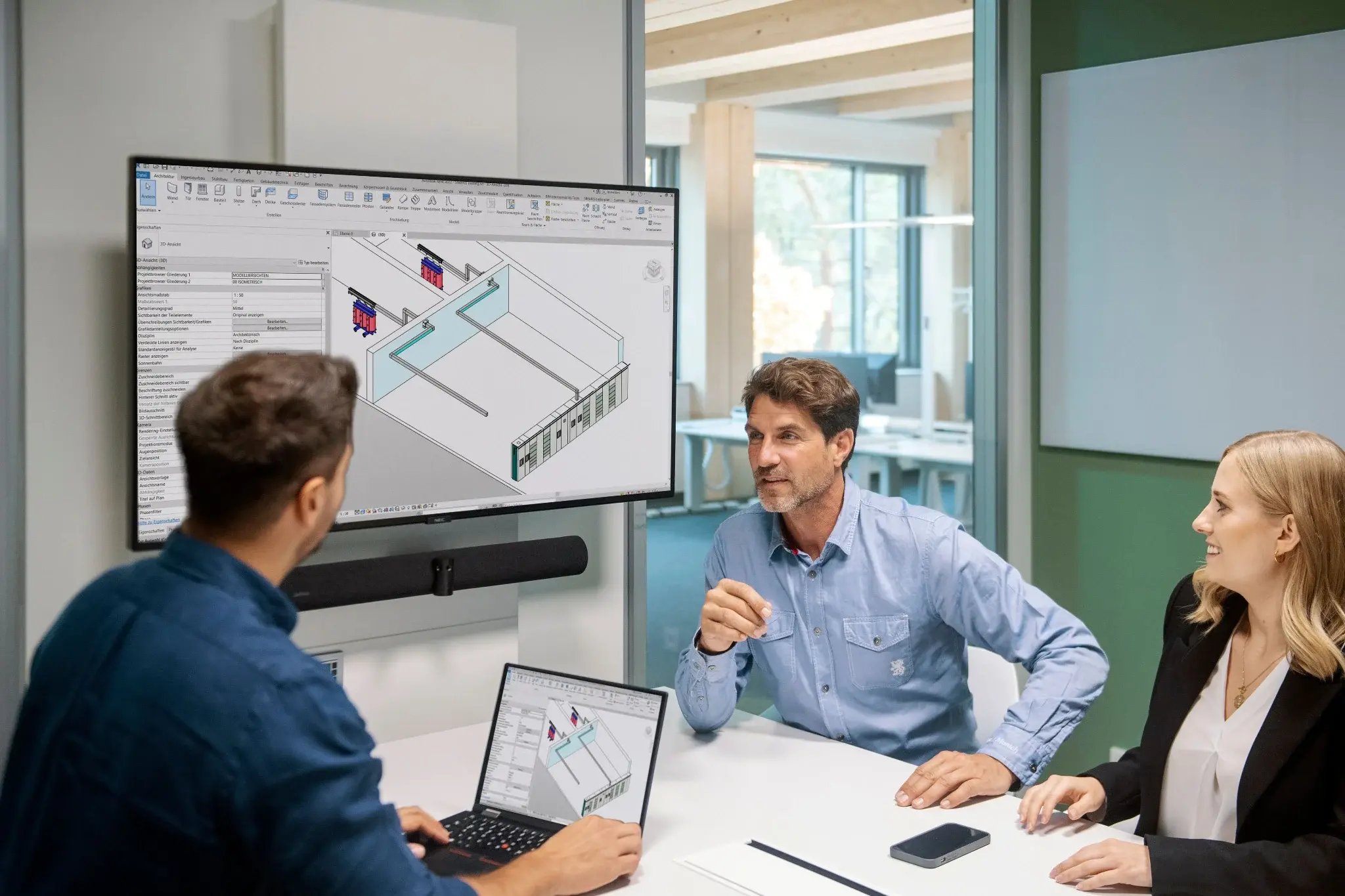
The right format depends on your work schedule, learning preferences and how much structure you need to stay consistent.
- Cohort-based learning is suitable when you prefer fixed sessions, regular guidance and interaction with peers.
- Self-paced learning works well when you have changing work hours and need to fit online learning around your commitments.
- Cohort-based learning can help when deadlines and group participation keep you accountable.
- Self-paced learning may be better when you want to revisit lessons or spend more time on challenging topics.
- Cohort-based learning can provide regular feedback and opportunities to discuss practical challenges with instructors and peers.
- Self-paced learning suits independent learners who are comfortable creating and following their own study routine.
## **How Can You Choose a Learning Format That Supports Your Career Goals?**
The right learning format should match your schedule, preferred way of learning and long-term career goals. When comparing options, look beyond flexibility and consider whether the programme offers practical exposure, expert guidance and opportunities to apply what you learn.
For professionals looking for structured online education in BIM, Novatr’s BIM Professional Program offers:
- A seven-month live online programme designed for architecture, civil, structural and MEP professionals.
- Project-based learning through five practical phases covering [BIM fundamentals](https://www.novatr.com/blog/what-is-building-information-modeling-bim), modelling, documentation, coordination and project delivery.
- Learning led by 400+ industry practitioners from leading AEC firms, with live masterclasses and practical industry insights.
- Cross-disciplinary collaboration that helps learners understand how different AEC domains work together on BIM projects.
- Exposure to industry-relevant BIM tools, workflows and real-world project requirements.
- Advanced career paths covering areas such as AI, automation, project management, sustainability and structural analysis.
- Career support including CV, LinkedIn and [BIM portfolio guidance](https://www.novatr.com/blog/build-a-strong-bim-portfolio-during-bim-course), mock interviews and company-specific assessments.
BIM is Advancing. Are You?
Get BIM certified and open doors to a better career.
Join the Program
## **Conclusion**
There is no universal answer to whether cohort-based or self-paced learning is better. The right approach depends on your schedule, learning preferences and ability to stay consistent. For professionals looking to build practical BIM skills, structured learning can provide the guidance and project exposure needed to progress with confidence.
The [BIM Professional Program](https://www.novatr.com/courses/bim-professional-program?utm_source=organic_search&utm_medium=blog&utm_campaign=) by [Novatr](https://www.novatr.com/) combines structured learning, hands-on projects, industry-relevant tools and expert guidance to help learners develop practical BIM capabilities for professional roles.
For additional industry insights and learning resources, join us on our **[WhatsApp channel](https://whatsapp.com/channel/0029Vb7Gy2LBFLgMx79j7B1b)** or visit our **[Resources Page](https://www.novatr.com/learning-hub)** to learn about the latest trends in architecture and engineering.
## **FAQs**
### **1. Can you learn BIM without taking a course?**
Yes, you can learn BIM through self-study and practice, but a structured course is still essential for building skills systematically and developing practical knowledge.
### **2. How does BIM mentorship improve practical skills?**
A mentor can provide feedback on your work, explain industry practices and help you improve how you approach real project tasks.
### **3. Can a mentor help you learn real-world BIM workflows?**
Yes. Mentors can explain how BIM workflows are applied across design, coordination, documentation and project delivery.
Was this content helpful to you
Like Yes
Dislike No

TABLE OF CONTENTS
BIM Is The New Standard. Are You Certified?
Get Certified in BIM
SHARE ON YOUR SOCIALS
Link Copied Successfully
Related articles
[.png) BIM Archi Best YouTube Channels, Courses & Communities to Learn Autodesk Construction Cloud 12 May 2026 5 min read](https://blog.novatr.com/blog/best-resources-to-learn-autodesk-construction-cloud) [ BIM Self-Learning BIM vs Structured BIM Course: What’s More Effective? 22 June 2026 6 min read](https://blog.novatr.com/blog/self-learning-bim-vs-structured-bim-course) [ BIM Easy Ways to Learn BIM Faster and Smarter as an Architect 18 June 2026 7 min read](https://blog.novatr.com/blog/bim-learning-for-architects) [ BIM Mentorship vs Self-Learning: Which Approach Leads to Better Career Growth in BIM? 17 August 2026 9 min read](https://blog.novatr.com/blog/mentorship-vs-self-learning-for-bim)
Download Syllabus
## BIM Professional Program
Next Cohort
June 2026
Program Duration
7 Months
Premium Program benefits
8 Credentials from Autodesk, NSDC, Novatr
1 program. 10 career paths. Infinite Growth.
40+ ISO 19650 & RIBA real-world projects to practice
1-on-1 guidance. Access 400+ industry experts.
Access the biggest AEC-Tech community on the planet. 8500+ and counting
Curated for you by 100+ global BIM leaders.
Lifelong access to course content
Enter your details to download the program syllabus.
##### BIM Professional Program
June 2026, 7 Months
Your Name Invalid name.
Phone Number Enter a valid phone number
Email Please enter a valid email address.
Select years of experience\* Currently studying 0-1 years 1-2 years 2-4 years 4-8 years 8-10 years 10-12 years 12+ years Invalid selection.
Specialisation Select your background\* Architecture Civil Engineering Mechanical Engineering Electrical Engineering Invalid selection.
Are you professionally trained in interior design?
Yes
No
I agree to the [Terms of Use](https://www.novatr.com/terms-and-conditions) and [Privacy Policy](https://www.novatr.com/privacy-policy), and consent to be contacted by Email, Call, WhatsApp, or SMS.
Submit
Ready to skyrocket your career?
Begin your next chapter in AEC
with Novatr!
We are here to help you take the industry by storm with advanced, tech-first skills.
[Explore Courses](https://www.novatr.com/#courses)
Join our newsletter
Submit
Thank you for signing up.
We’ll send you a nice letter once per week. No spam.

Dare to Disrupt.
Join thousands of people who organise
work and life with Novatr.
Company
- [About Us](https://www.novatr.com/about)
- [BIM Professional Program v.2026](https://www.novatr.com/courses/bim-professional-program)
- [Masters Computational Design](https://www.novatr.com/courses/computational-design)
- [Become a Mentor](https://www.novatr.com/apply-as-mentor)
- [Hiring from Us](https://www.novatr.com/hire-from-us)
- [Careers at Novatr](https://www.novatr.com/career)
Resources
- [Blog](https://www.novatr.com/learning-hub)
- [Media Room](https://www.novatr.com/media-room-home-page)
- [Career Builder](https://www.novatr.com/career-navigator)
- [Events & Webinars](https://www.novatr.com/webinars)
- [FAQs & Support Center](https://www.novatr.com/contact-us)
- [Contact Us](https://www.novatr.com/contact-us)
- [Privacy Policy](https://www.novatr.com/privacy-policy)
- [Terms of Use](https://www.novatr.com/terms-and-conditions)
©2023 Oneistox Network Pvt. Ltd.
All Rights Reserved
```json
{
"@context" : "https://schema.org",
"@type" : "BlogPosting",
"author" : {
"@type" : "Person",
"name" : "Bandana Singh",
"url" : "https://blog.novatr.com/blog/author/bandana-singh"
},
"dateModified" : "2026-08-17T11:52:47.024Z",
"datePublished" : "2026-08-17T11:48:53.000Z",
"headline" : "BIM Learning: Cohort-Based vs Self-Paced Learning {{year}}",
"image" : [ "https://blog.novatr.com/hubfs/ChatGPT%20Image%20Aug%2017%2c%202026%2c%2005_16_23%20PM.png" ],
"mainEntityOfPage" : {
"@id" : "https://blog.novatr.com/blog/cohort-based-vs-self-paced-learning-for-bim",
"@type" : "WebPage"
},
"publisher" : {
"@type" : "Organization",
"logo" : {
"@type" : "ImageObject",
"url" : "https://blog.novatr.com/hubfs/Novatr%20Prev%20OX-2.svg"
}
}
}
```