



Can You Really Get a BIM Job Without Experience?
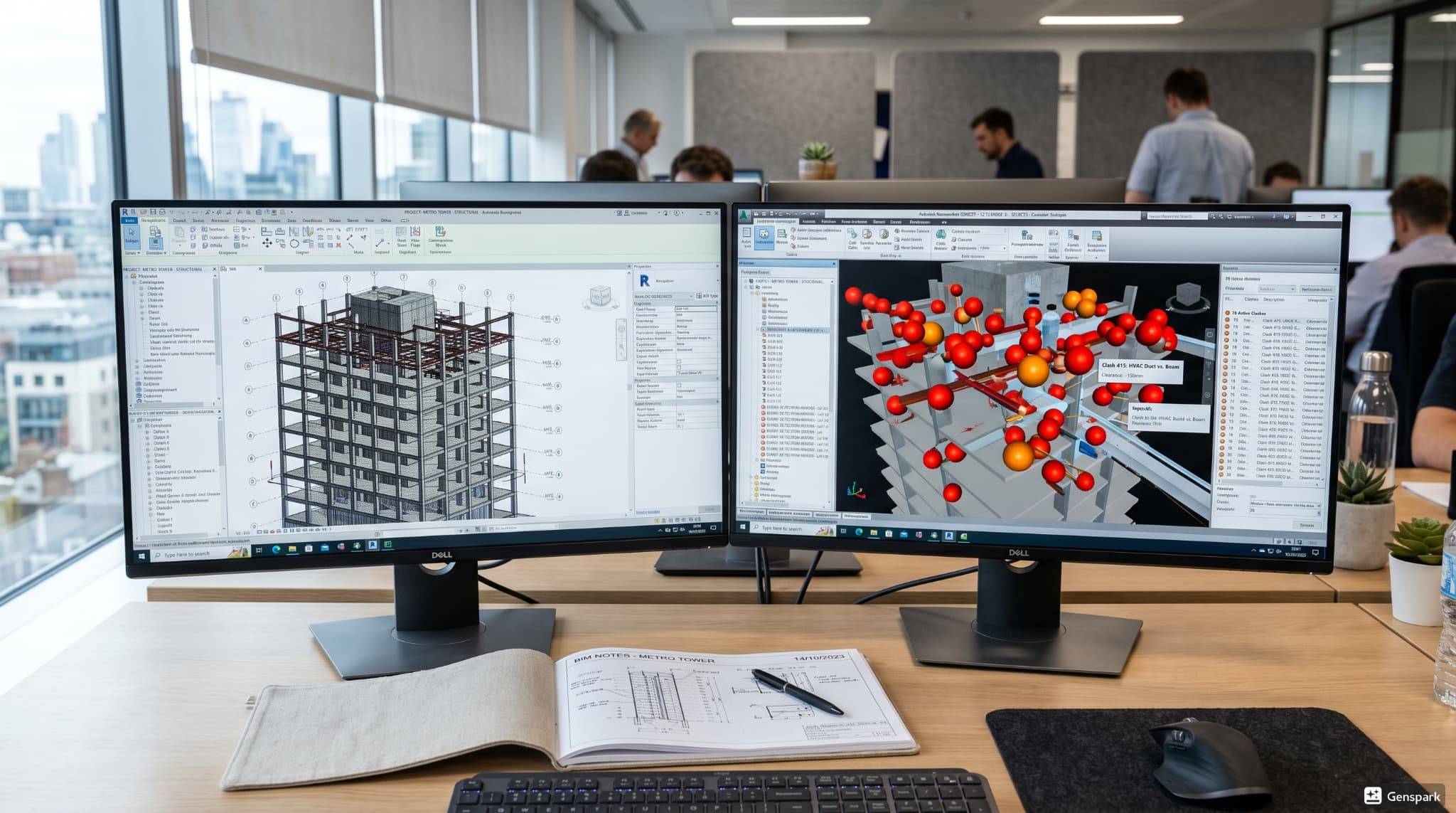
Yes, it is possible to get a BIM job without prior industry experience. As the adoption of Building Information Modeling (BIM) continues to grow across the AEC industry, the demand for skilled BIM professionals is often higher than the available talent pool.
Today, employers are not just looking for experienced professionals. They also seek candidates who understand BIM workflows, digital construction processes, and industry-standard BIM software. If you can demonstrate practical BIM skills and the ability to create, manage, and coordinate building models, you can qualify for entry-level opportunities even without a professional work history.
Many professionals begin their careers through internships, trainee positions, junior BIM modeler roles, or BIM technician jobs. What matters most is proving that you can contribute to real-world BIM projects and work effectively within a collaborative project environment. Strong BIM training, hands-on project experience, and a solid portfolio can often help bridge the gap between education and employment.
What Do Companies Actually Expect from Fresh BIM Candidates?
Most companies hiring for entry-level BIM roles focus on practical BIM skills and job readiness rather than prior work experience. Employers typically look for candidates who can contribute to BIM project workflows and adapt quickly to project requirements.
Key skills employers look for in fresh BIM candidates:
-
Proficiency in BIM software such as Revit and familiarity with tools like Navisworks
-
Understanding of BIM workflows, modeling standards, and project coordination processes
-
Ability to create, modify, and manage accurate 3D BIM models
-
Knowledge of architectural, structural, or MEP building systems
-
Understanding of construction drawings, plans, sections, and project documentation
-
Basic experience with clash detection and model coordination concepts
-
Ability to follow BIM execution plans, naming conventions, and modeling guidelines
-
Strong attention to detail to maintain model accuracy and data quality
-
Spatial awareness and the ability to visualize building components in a digital environment
-
Willingness to collaborate with architects, engineers, and project teams
-
Problem-solving skills to address modeling and coordination challenges
-
Hands-on project experience through BIM courses, portfolios, academic projects, or internships
For most BIM fresher jobs, employers value candidates who can demonstrate practical BIM knowledge and contribute effectively to project teams from the beginning.
How Do BIM Courses Help Bridge the Experience Gap?
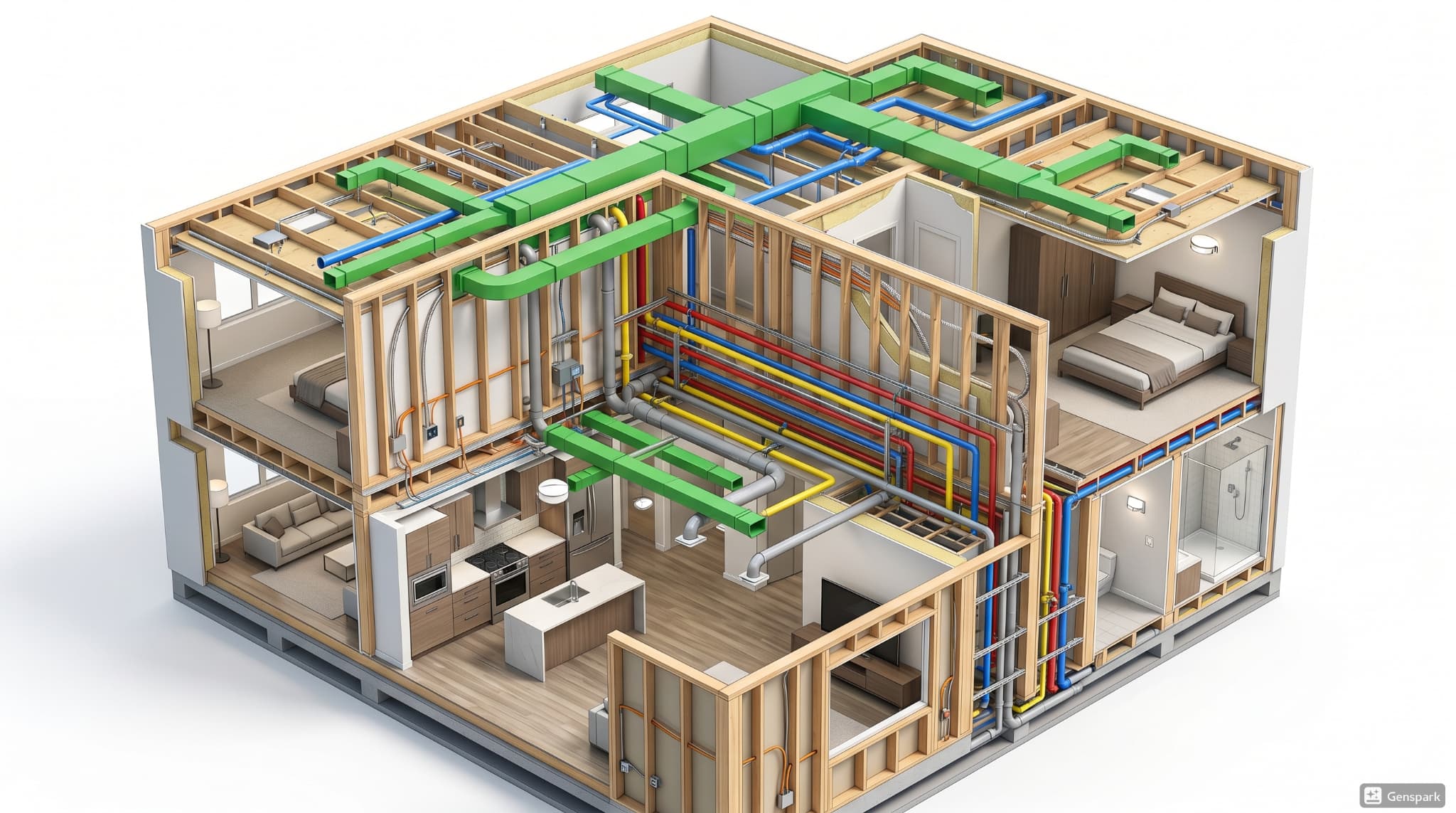
One of the biggest challenges for fresh graduates is that traditional architecture, engineering, and construction education often focuses on theory rather than the digital workflows used in modern projects. As a result, many candidates lack the practical BIM skills that employers expect.
A structured BIM course helps bridge this gap by providing hands-on experience with real-world tools, workflows, and project scenarios. Instead of simply learning software commands, learners develop the skills needed to work in a collaborative BIM environment.
A quality BIM course helps you:
-
Gain proficiency in industry-standard BIM software such as Revit and Navisworks
-
Understand BIM workflows used across design, coordination, and construction stages
-
Learn how architectural, structural, and MEP disciplines collaborate within a BIM project
-
Develop practical modeling, documentation, and coordination skills
-
Work on project-based assignments that mirror real industry requirements
-
Build a professional BIM portfolio that showcases job-ready skills
-
Understand BIM standards, model management, and quality control practices
-
Gain exposure to real-world project challenges and coordination processes
By combining technical training with practical project experience, BIM courses help candidates transition from academic learning to professional BIM roles more confidently.
Programs such as those offered by Novatr place a strong emphasis on industry-aligned learning, mentorship, and project-based training, helping learners build the skills and confidence needed to succeed in BIM careers.
Which Skills and Projects Make Beginners More Hireable?
If you're looking to get a BIM job without prior work experience, focusing on practical BIM skills and project-based learning can significantly improve your employability. Employers want candidates who can demonstrate their ability to work with BIM models, collaborate across disciplines, and contribute to project workflows.
Key BIM Skills Employers Value:
-
Clash Detection and Coordination: Using tools like Navisworks to identify and resolve conflicts between architectural, structural, and MEP systems before construction begins.
-
Parametric Modeling: Creating intelligent Revit families and BIM components that automatically adapt to design and data changes.
-
Data Scheduling and Quantity Takeoffs: Extracting material quantities, schedules, and project data directly from BIM models to support planning and cost estimation.
-
BIM Documentation: Producing accurate floor plans, elevations, sections, and construction documentation from BIM models.
-
Model Management: Maintaining model accuracy, organization, and compliance with BIM standards and project requirements.
-
Interdisciplinary Coordination: Understanding how architectural, structural, and MEP models work together within a collaborative BIM environment.
Projects That Strengthen Your BIM Portfolio:
-
End-to-end BIM modeling of a residential or commercial building
-
Architectural, structural, or MEP modeling projects
-
Clash detection and coordination exercises using Navisworks
-
Quantity takeoff and scheduling projects based on BIM models
-
Construction documentation and drawing set creation
-
Capstone projects that simulate real-world BIM workflows
A strong BIM portfolio that showcases these skills can often make a bigger impact than previous work experience. For many employers, the ability to demonstrate practical BIM knowledge through projects is a strong indicator of job readiness.
What Should Freshers Do After Completing a BIM Course?
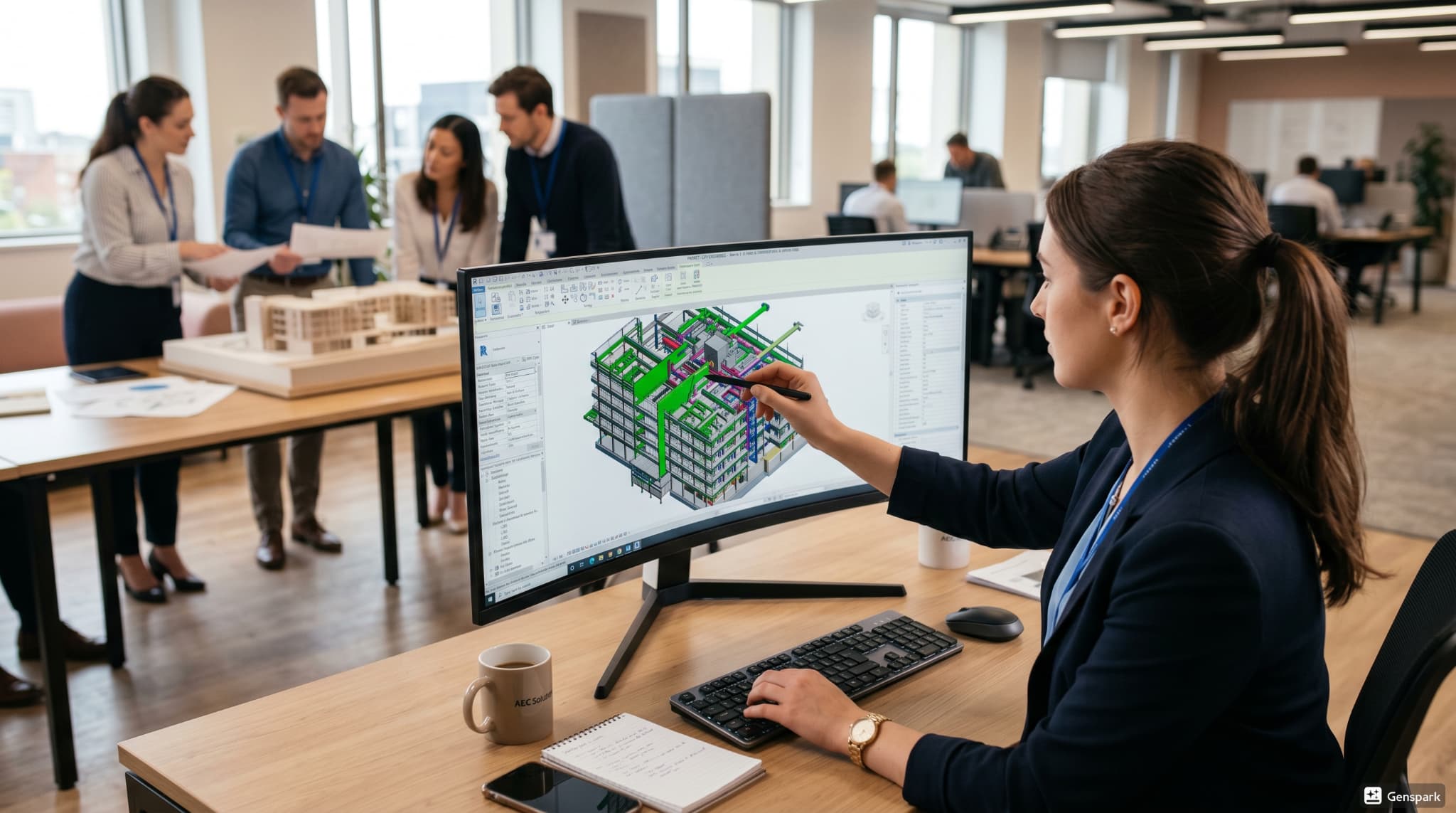
Completing a BIM course is just the beginning. To secure your first BIM job, focus on showcasing your skills and building a strong professional presence.
Steps to Improve Your Job Prospects:
-
Build a BIM Portfolio: Showcase your best architectural, structural, or MEP projects, clash detection exercises, and construction documentation work through a portfolio website, Behance profile, or organized digital folder.
-
Optimize Your LinkedIn Profile: Highlight your BIM certification, project experience, and skills in tools like Revit, Navisworks, and Autodesk Construction Cloud. Use relevant BIM keywords and showcase project work.
-
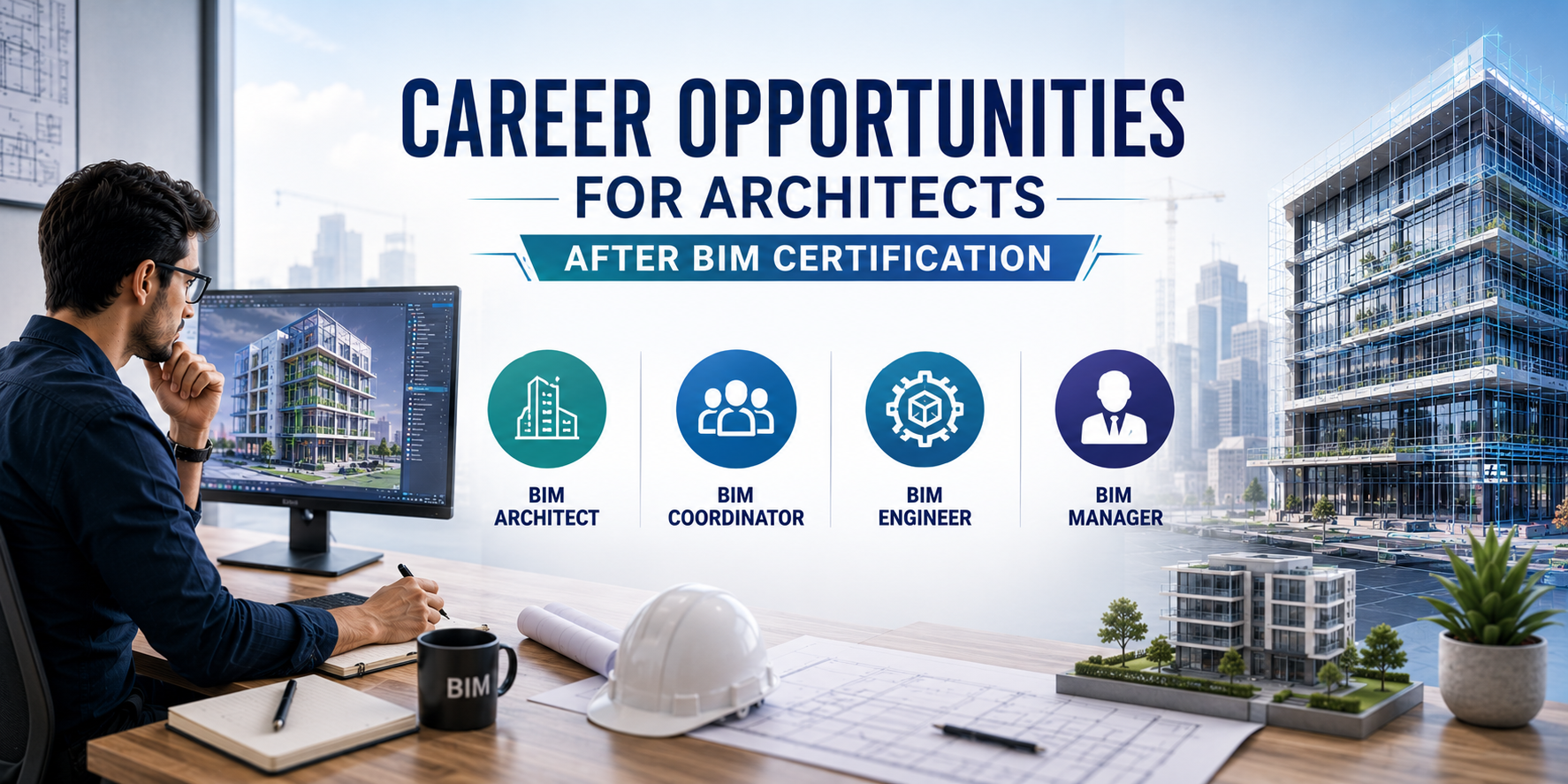
Target Entry-Level BIM Roles: Apply for positions such as BIM Modeler, Junior BIM Engineer, Revit Technician, BIM Technician, or BIM Coordinator Trainee.
-
Network with Industry Professionals: Connect with BIM Managers, BIM Coordinators, and Digital Delivery professionals on LinkedIn. Share your portfolio and engage with industry content.
-
Keep Building Experience: Strengthen your portfolio through personal projects, internships, freelance work, or collaborative BIM projects.
-
Prepare for BIM Interviews: Be ready to discuss your BIM projects, workflows, software skills, and problem-solving approach.
A strong portfolio, active networking, and practical BIM skills can significantly improve your chances of landing your first BIM job.


.png)
