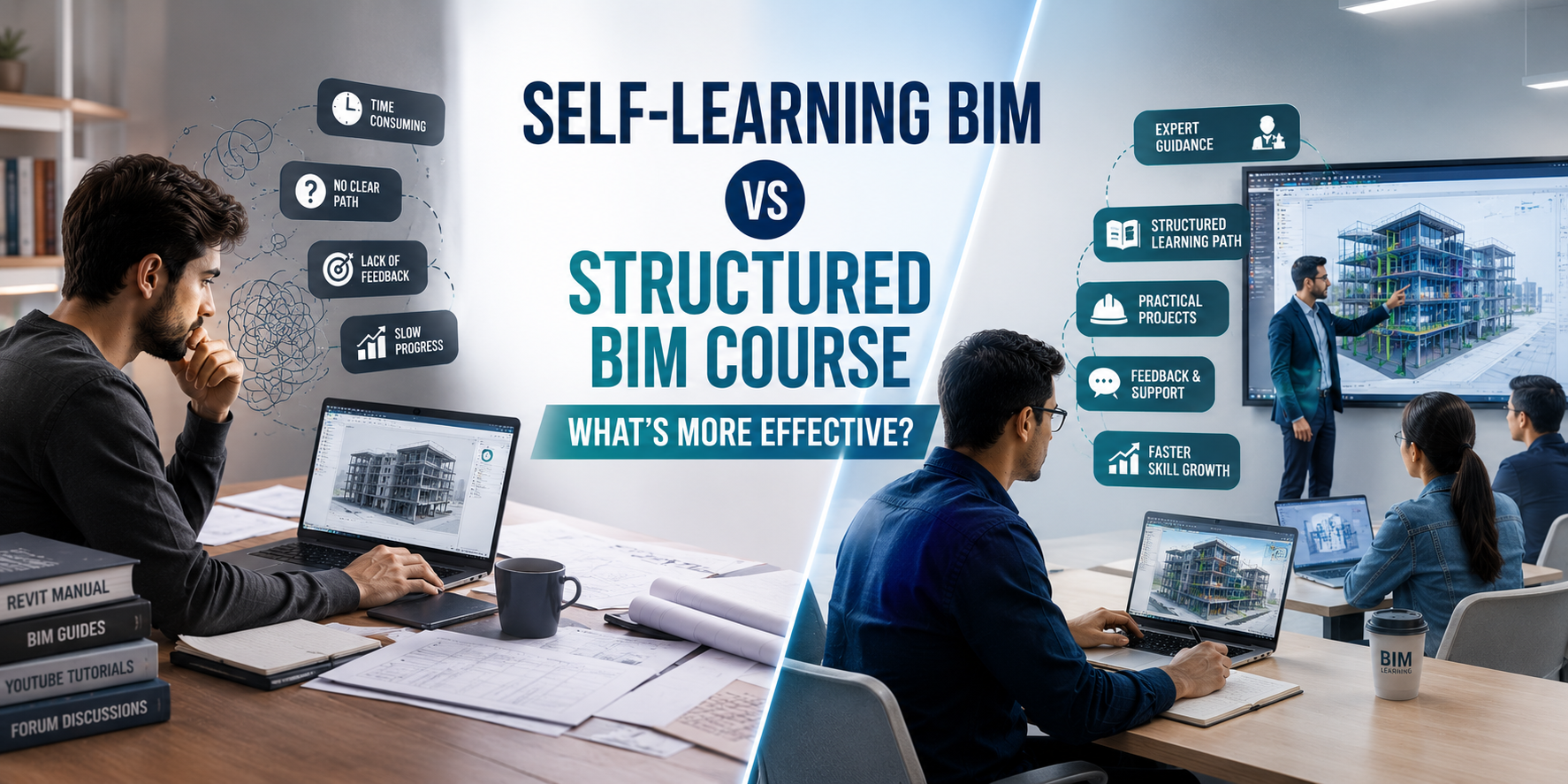


Why BIM Has Become Essential for Career Growth Of Architects?

The architecture industry is getting more digital, collaborative and data-driven. With the introduction of new and innovative methods of project delivery, architects are being required to go beyond traditional design work. This is one of the primary reasons why BIM courses are more beneficial to professionals of all career stages.

The Economic Survey of the Government of India says that the construction sector saw an 8.6% increase in FY 2024-25, which in turn created a need for skilled workers who can handle digital workflows. The adoption of digital technologies to boost Productivity, Coordination, and Delivery of projects across the Built Environment, (EBE) is going up, steadily.

Having BIM knowledge also helps architects, not just by adding another tool, but by supporting future proofing of their careers and helping them make use of new chances that are showing up in the industry.

Key Takeaways

  • BIM improves collaboration between project teams.

  • Employers are increasingly seeking digital delivery skill sets.

  • BIM knowledge can unlock chances that go beyond the usual design roles.

  • Structured learning is used to develop practical skills in the AEC industry.

  • The right BIM program can facilitate long term professional development.

Master BIM Before the Industry Leaves You Behind

Join 8500+ architects & engineers building high-growth careers with BIM.

Explore the Program

*Limited seats available

Why Is BIM Becoming Essential for Architects Today?

Architects do not just use drawings and design documentation. For modern projects, constant coordination between the architects, engineers, contractors, and project managers is required.

There are multiple reasons for the industry to embrace BIM:

  • Improved collaboration through shared digital models.

  • Improved coordination and clash detection of the project.

  • Quick changes in design and documentation.

  • More accurate delivery of the project.

  • More clarity among project stakeholders.

Adoption has also ramped up substantially in the industry. The research indicates that more construction professionals are aware of BIM and many of them are implementing BIM tools in their design and coordination process.

For professionals exploring BIM for architects, the value extends beyond software proficiency. BIM is used to provide a structure for handling information during a project's entire life span, empowering architects to play a more effective role at every phase - from concept design to construction.

The trend of digital workflows is also very closely tied to the development of construction technology and the knowledge of BIM is becoming even more relevant for future projects.

How Do BIM Courses Support Career Growth in Architecture?

Architect learning BIM workflows for career advancement.

A number of architects start their careers focusing on design development and documentation. As workload increases, companies start looking for people who can coordinate, streamline and work on multidisciplinary teams.

This is where the value of BIM education lies.

A structured BIM learning path assists architects in the following ways:

  • Be familiar with contemporary approaches to project delivery.

  • Improve collaboration with Consultants/Contractors.

  • Develop technical and teamwork abilities.

  • Upgrade to bigger project roles.

  • Be prepared to be a leader in project teams.

The development of digital skills is essential for career growth, as companies are increasingly seeking candidates with digital skills as it helps in the efficiency and working together within projects.

Quality BIM training courses offer hands-on experience of working in the industry instead of software commands. This enables architects to gain an insight into the use of BIM in real project environments.

What Skills Do Architects Gain Through BIM Training?
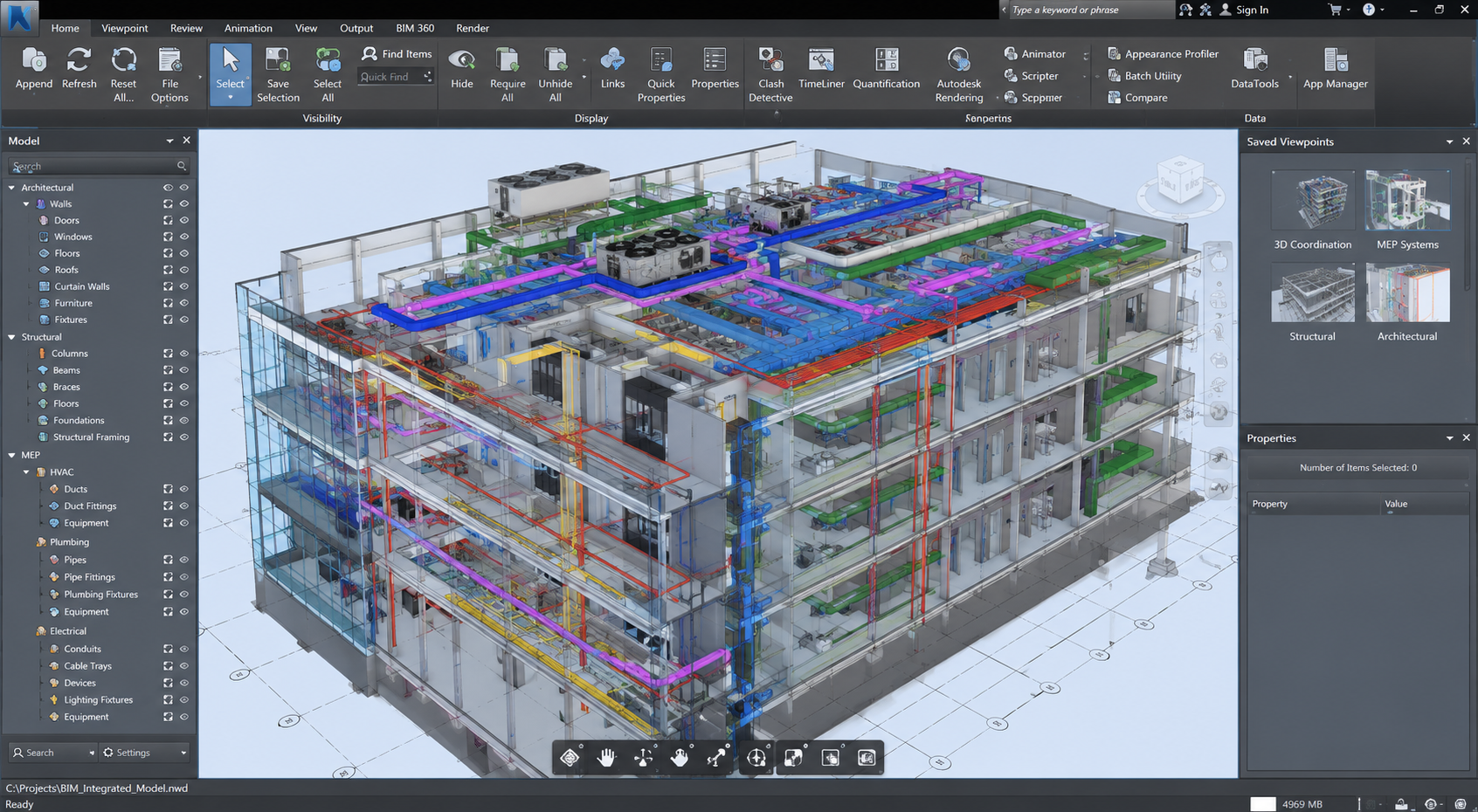
Detailed BIM model displaying architectural, structural, and MEP systems.

Good quality BIM education trains both technical know how and professional skills for success.

Key skills include:

  • 3D modeling and visualizing

  • Construction documentation workflows

  • Model Coordination and clash detection

  • Information management

  • Project communication

  • Team collaboration

  • Digital project processes for delivery

With these practical BIM competencies, architects can work more efficiently and also fit in smoothly across project teams and different disciplines.

There are also a number of programs that train students to earn BIM certification, which enables them to prove their skills to employers.

Beyond the technical knowledge, BIM learning can facilitate continuous professional development by enhancing the knowledge and understanding of an architect in integrated project delivery and collaborative working processes.

How Does BIM Knowledge Improve Opportunities Across AEC Roles?

There are times when BIM knowledge can be beneficial in any architectural, engineering and construction company. The need for BIM professionals has been growing as digital delivery is becoming the norm.

Common opportunities include:

  • BIM Architect

  • BIM Coordinator

  • BIM Manager

  • Information Manager

  • Design Technology Specialist

  • Digital Project Consultant

For professionals seeking architecture jobs, BIM expertise can provide a competitive advantage during recruitment.

This need explains how BIM helps architects get better jobs. Employers tend to look for professionals who have architectural skills and know-how in digital delivery, not only the drawing side.

The expansion of technology driven workflows has also created opportunities outside the usual design careers, so architects get more flexibility in shaping their future career paths.

If you're asking is BIM important for architecture careers, the industry hiring trends increasingly continue to indicate that BIM is a very relevant skill these days.

What Should Architects Look for in a Career-Focused BIM Course?
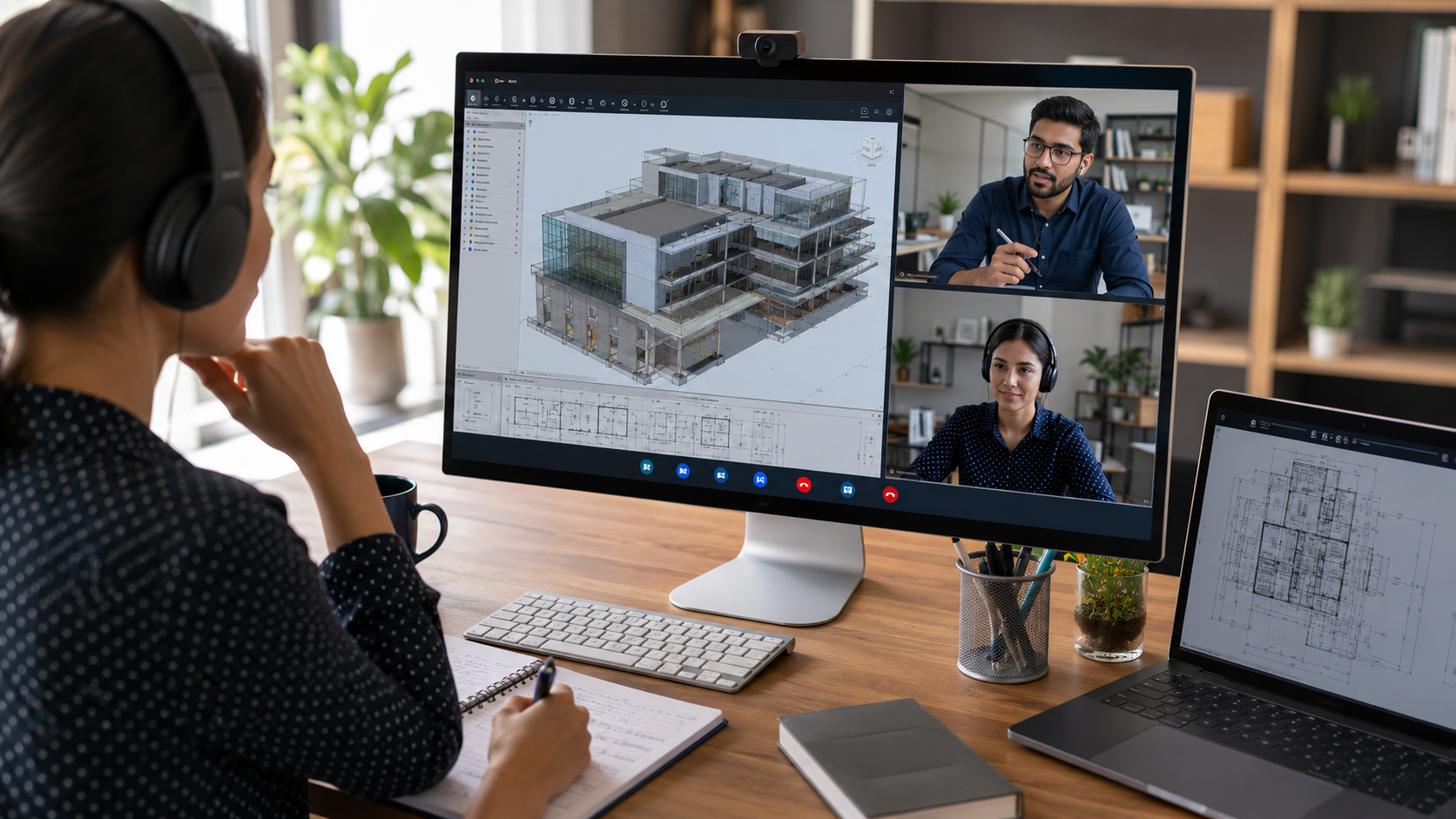
Architect receiving mentorship during BIM training program.

Selecting the right course is as crucial as learning BIM. When evaluating programs, consider:

  • Real-world projects.

  • Industry-recognized credentials.

  • Expert mentorship.

  • Portfolio development opportunities.

  • Collaborative learning experiences.

  • Career support resources.

The Novatr BIM Professional Program, for instance, is developed by over 100 BIM industry professionals from around the world and is geared toward real-world industry use.

Program highlights include:

  • Program designed by 100+ world class BIM leaders.

  • Live online learning.

  • Project-based training.

  • Industry Mentors available to students.

  • Familiarity with the latest BIM processes.

  • Industry-recognized certifications.

  • Career-focused learning for AEC professionals.

In addition to being a strong advocate of core BIM principles, knowledge, and skills, Novatr also highlights the collaborative capabilities and skills needed for the future, based on current industry needs.

BIM is Advancing. Are You? 

Get certified, build your BIM portfolio, and a better career.

Join the Program

Conclusion

As technology evolves and digital becomes the key to project delivery, the architecture profession is constantly changing. BIM has become an integral competency that facilitates better teamwork, project coordination and career advancement in the AEC sector. BIM experts in the field of architects have a better chance of contributing to the process of the modern project and meeting the evolving demands of the industry.

The BIM Professional Program by Novatr provides industry-relevant learning, project-based experience, mentorship and industry accreditation to help professionals build future-ready capabilities.

Check out our resources page for more learning resources and industry trends that can help you on your BIM journey.

FAQs

1. What career opportunities open up after learning BIM?

It can result in the following career paths in Learning BIM: BIM Architect, BIM Coordinator, BIM Manager, Information Manager, Design Technology Specialist, and Digital Project Consultant. As companies begin to operate with digital project delivery methods, it is becoming increasingly common to seek professionals who can handle the project information and coordination in an effective manner.

2. In what way does BIM increase the earning potential of an architect?

Architects who utilize BIM skills may also amplify their earning potential, by assuming tasks that go past typical design obligations. Digital delivery and coordination skills are a valuable asset for a range of roles that have increased responsibility and also higher remuneration attached.

3. Do architecture firms prefer architects with BIM skills?

Because digital project delivery is now the normal thing, a lot of architecture firms actively look for candidates with BIM knowledge. Architects who have BIM skills can work more effectively with multidisciplinary teams and help in the brisk execution of projects.

Was this content helpful to you

Dislike No

TABLE OF CONTENTS

Download Syllabus
BIM Professional Course for Civil Engineers

course benefits

40+ live & bonus sessions

1 RIBA-structured capstone project

Learn 8+ BIM software

Autodesk & NSDC certifications

6 guided career sessions

Lifelong access to course content & community

Career counselling & interview preparation

Enter your details to download the course syllabus.

Download Syllabus
BIM Professional Course for Architects V2.0

course benefits

70+ live sessions

3+ RIBA and ISO 19650 structured capstone projects

18+ BIM software access

10+ guided career sessions

Certificates from Autodesk and NSDC

Lifelong access to course content & community

Career counselling & interview preparation

Enter your details to download the course syllabus.

Download Syllabus
Master Computational Design Course for Real-World Application

course benefits

80+ live sessions

50+ assignments

5+ softwares, 15+ plugins

Career counselling and interview prep

Lifelong access to to course content & community

Enter your details to download the course syllabus.

Download Syllabus
Advanced Interior Design with AI

course benefits

Simulated project based learning

Career counselling and interview prep

Lifelong access to course content

Learn 8+ software

3 Certificates of Achievement

Enter your details to download the course syllabus.

Download Syllabus
BIM Professional course for MEP Engineers

course benefits

Autodesk and NSDC Professional Certificates

12+ BIM softwares and plug-ins

80+ hours of live classes

Create 10+ toolkits to kickstart your MEP BIM project.

Dedicated Program Manager and Industry Guide Support

1:1 Career Mentoring

Networking with AEC Industry Professionals

Top 10% learners get exclusive Innovation bootcamp access.

ISO 19650 for BIM workflows

Enter your details to download the course syllabus.

Ready to skyrocket your career?

Begin your next chapter in AEC

with Novatr!

We are here to help you take the industry by storm with advanced, tech-first skills.